I Planned 15 Weddings: Assigned Seats at Wedding TRUTH Revealed!
So, you're planning a wedding? Congratulations! Amidst the whirlwind of choosing venues, tasting cakes, and finding the perfect dress, one often-overlooked detail can significantly impact your guests' experience: assigned seats at the wedding. As someone who's planned 15 weddings, I've seen firsthand how this simple decision can either create a harmonious atmosphere or lead to awkward social dynamics. Deciding whether or not to assign seats can feel daunting, but don't worry, I'm here to guide you through the process, sharing insights and practical tips to help you make the best choice for your special day. We'll dive into the pros and cons, explore strategies for creating a seamless seating plan, and address those tricky guest dynamics. Let's make sure your reception is remembered for the right reasons!
Key Takeaways
- Assigned seating can minimize guest anxiety and ensure a smoother reception flow.
- Thoughtful table arrangements can foster connections and enhance the overall guest experience.
- Clearly communicate your seating chart to guests through elegant displays or place cards.
- Consider guest relationships, personalities, and special needs when creating your seating plan.
- Tools like SeatingChartCreator.com can simplify the process and help you visualize your table arrangements.
Why Consider Assigned Seats at Your Wedding?
Let's be honest, walking into a reception hall buzzing with people and having to scramble for a seat can be stressful. Assigned seats at a wedding can alleviate this anxiety, especially for guests who may not know many other people. Think about it from their perspective: they arrive, knowing they have a designated spot, eliminating the pressure of finding a table and hoping they don't end up alone. This is particularly beneficial for older relatives or those with mobility issues who might struggle with open seating.
Design Your Perfect Seating Chart
Free drag-and-drop seating chart creator for weddings, events, and venues. Export professional PDFs in minutes.
Create Free Seating ChartBeyond comfort, assigned seating allows you to strategically orchestrate the social dynamics of your reception. You can thoughtfully group guests together who share common interests or backgrounds, fostering conversation and creating a more enjoyable experience for everyone. Imagine your college friends all seated together, reminiscing about old times, or your family members from different branches connecting over shared stories. This curated table arrangement can significantly enhance the overall atmosphere of your celebration.
Finally, assigned seats contribute to a smoother, more organized reception. It helps with managing dietary restrictions, ensuring that guests with specific needs are seated where the catering staff can easily assist them. It also simplifies the process of serving meals, as the staff knows exactly who is sitting where, minimizing confusion and delays. Ultimately, assigned seating allows you to control the flow of your reception and ensure that everything runs seamlessly.
The Pros and Cons of Open Seating vs. Assigned Seating
So, assigned seats at wedding receptions aren't always the best choice. While there are some benefits, there are also some drawbacks to consider.
Assigned Seating
- Pros: Reduces guest anxiety, facilitates social connections, streamlines meal service, accommodates special needs effectively, and maintains order.
- Cons: Can be time-consuming to plan, may feel too structured for some guests, requires careful consideration of guest relationships, and can lead to hurt feelings if not executed thoughtfully.
Open Seating
- Pros: Simpler to plan, allows guests to mingle freely, creates a more relaxed atmosphere, and avoids potential seating chart drama.
- Cons: Can cause anxiety for some guests, may result in uneven distribution of guests, can be challenging for guests with mobility issues, and may lead to awkward social dynamics.
Ultimately, the best choice depends on your specific wedding style, guest demographics, and personal preferences. If you're aiming for a formal, structured reception with a focus on creating specific social connections, assigned seating might be the way to go. On the other hand, if you prefer a more casual, relaxed atmosphere where guests can mingle freely, open seating might be a better fit.
Consider your guests' personalities and preferences when making your decision. Are they generally comfortable navigating social situations, or do they tend to be more reserved? Do they value structure and organization, or do they prefer spontaneity and freedom? Answering these questions will help you determine which seating arrangement will create the most enjoyable experience for everyone.
Crafting the Perfect Seating Chart: A Step-by-Step Guide
Ready to tackle the task of creating your seating chart? Don't panic! While it may seem daunting, breaking it down into manageable steps can make the process much smoother and less stressful.
Gather Your Guest List & RSVPs
Before you can even think about table arrangements, you need a complete and accurate guest list. This includes confirming RSVPs and noting any dietary restrictions or special needs. A spreadsheet can be your best friend here!
Consider Your Venue Layout
Obtain a floor plan of your reception venue. This will help you visualize the space and determine the number and size of tables you'll need. Note the location of the head table, dance floor, and other key areas.
Identify Key Groups & Relationships
Think about how your guests know each other. Who are close friends? Which family members get along well? Are there any potential conflicts to avoid? Create mental or physical groupings to guide your seating plan.
Start with VIPs
Begin by seating your immediate family and closest friends. Traditionally, the bride's parents host the wedding and are seated closest to the action. The groom's parents are also given a prominent table. Work outwards from there.
Use a Seating Chart Tool
Tools like SeatingChartCreator.com can be incredibly helpful. Our free online tool allows you to drag and drop guests onto tables, experiment with different table arrangements, and easily make changes as needed. This visual approach can save you hours of frustration.
Finalize & Communicate
Once you're happy with your seating plan, create a clear and elegant display for your guests. You can use a large printed chart, individual escort cards, or even digital displays. Make sure the names are easy to read and the table numbers are clearly marked.
Navigating Tricky Guest Dynamics in Your Seating Chart
Let's face it, every wedding has its potential for drama. Divorced parents, feuding siblings, plus-ones who don't quite fit in — these situations require careful consideration when crafting your seating arrangement. The goal is to minimize potential awkwardness and ensure that everyone feels comfortable and respected.
If you have divorced parents, the traditional approach is to seat them at separate tables with their respective families and friends. However, if they have a cordial relationship, you might consider seating them at the same table but with enough space between them and other guests to avoid discomfort. Open communication is key here. Talk to your parents beforehand to gauge their comfort level and preferences.
For feuding siblings or other family members, try to seat them at different tables and surround them with supportive and positive company. Consider their personalities and try to pair them with guests who are likely to engage them in pleasant conversation and keep the atmosphere light. Sometimes, distance is the best solution to avoid any potential conflict.
Plus-ones can be tricky, especially if you've never met them. If possible, try to learn a little about them from your guest and seat them with people who share similar interests or backgrounds. If you're unsure, err on the side of caution and seat them with friendly, outgoing guests who are likely to make them feel welcome.
Tips for Creating a Flawless Wedding Table Arrangement
The art of wedding table arrangement goes beyond simply assigning seats. It's about creating a visually appealing and functional layout that enhances the overall ambiance of your reception. Here are some tips to help you create a flawless table arrangement:
Before You Start
- Confirm final guest count and dietary restrictions.
- Obtain accurate venue floor plan with dimensions.
- Identify any guests with mobility issues or special needs.
- Decide on table shapes and sizes (round, rectangular, etc.).
Consider the shape and size of your tables. Round tables are generally considered more conducive to conversation, as they allow guests to easily see and interact with each other. Rectangular tables, on the other hand, can be more space-efficient and create a more modern aesthetic. Choose the shape that best suits your venue layout and overall wedding style.
Pay attention to the flow of traffic. Make sure there's enough space between tables for guests and catering staff to move around comfortably. Avoid placing tables in areas where they might obstruct walkways or create bottlenecks. You don't want guests bumping into tables or feeling cramped.
Consider the placement of your head table. Traditionally, the head table is placed in a prominent location, allowing the wedding party to be easily seen by all guests. However, you can also choose to forgo a traditional head table and instead seat yourselves amongst your guests. This can create a more intimate and inclusive atmosphere.
Use centerpieces to enhance the visual appeal of your tables, but be mindful of their height. You want centerpieces that are tall enough to make a statement but not so tall that they obstruct guests' views or hinder conversation. Low floral arrangements or elevated designs with clear bases are good options.
Communicating Your Seating Chart: Elegant Display Ideas
You've spent hours crafting the perfect seating plan; now, you need to communicate it to your guests in a clear and elegant way. The presentation of your seating chart can significantly impact the first impression guests have of your reception, so it's worth investing some time and effort into creating a beautiful and functional display.
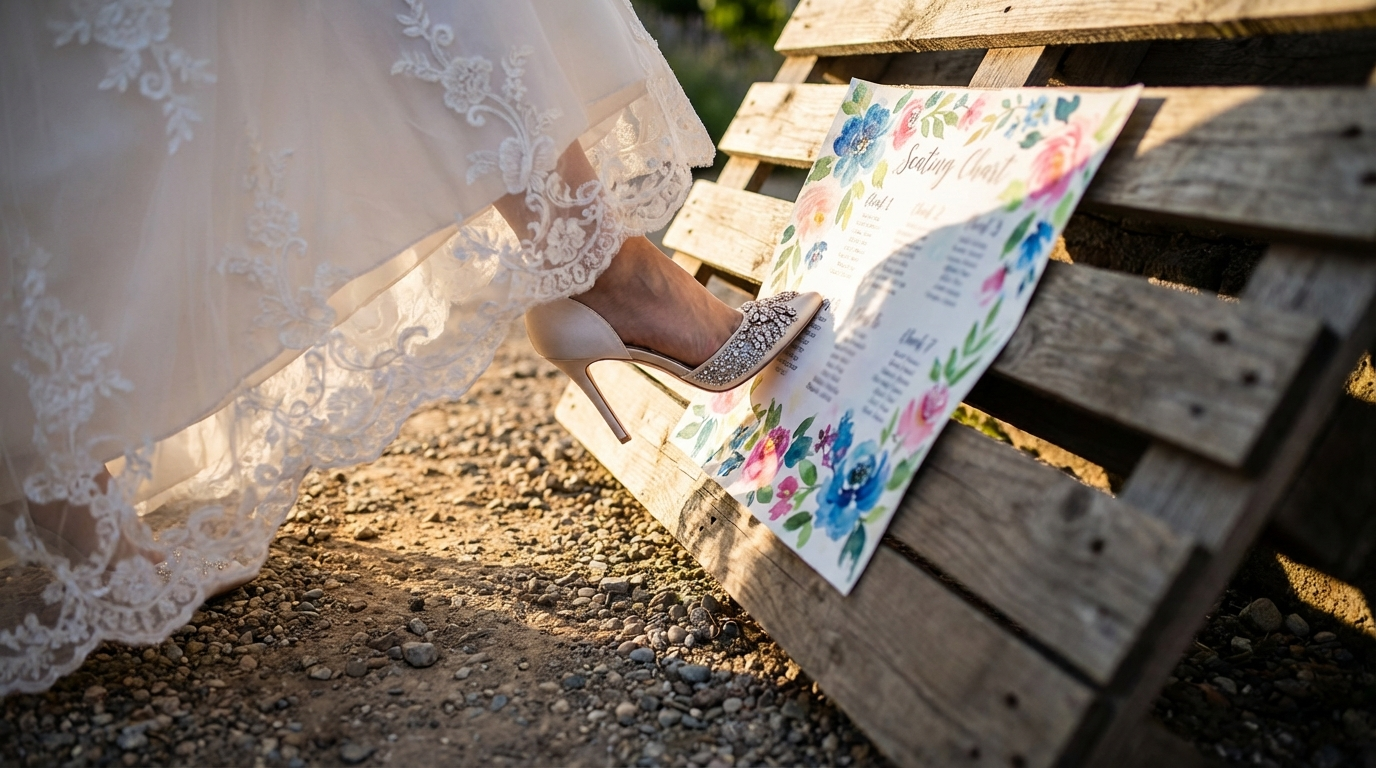
One popular option is a large printed seating chart displayed near the entrance to the reception hall. This can be a simple, minimalist design with names listed alphabetically under their respective table numbers, or a more elaborate design with calligraphy and floral accents. Make sure the font is easy to read and the table numbers are clearly marked.
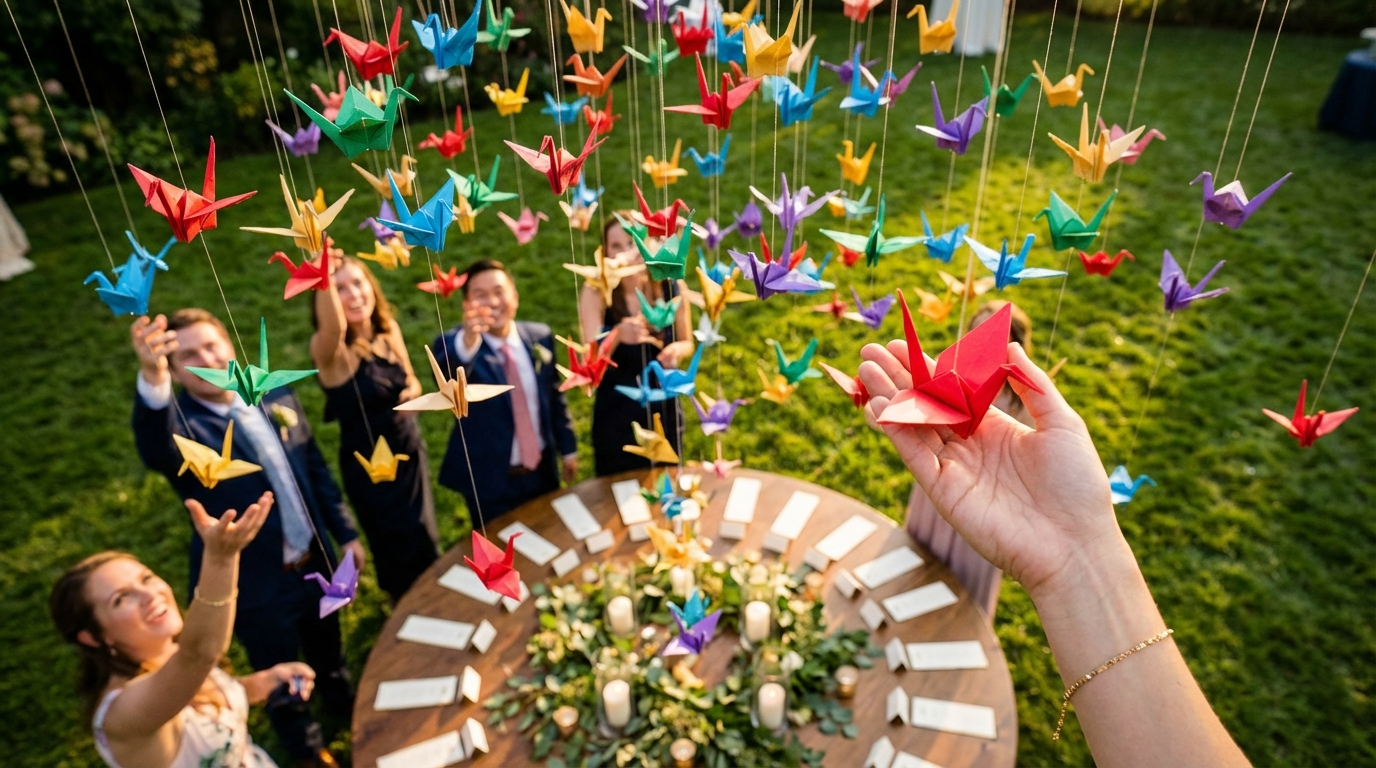
Escort cards are another elegant way to direct guests to their seats. These are small, individual cards with the guest's name and table number printed on them. Escort cards can be displayed on a table near the entrance, arranged alphabetically, or hung from a decorative display, such as a vintage ladder or a floral wall. The physical nature of these cards also makes them a nice keepsake.
Place cards, which are placed at each guest's seat, add an extra touch of personalization and elegance. These cards typically include the guest's name and a small thank-you message. Place cards can be simple and understated or more elaborate, with calligraphy, embellishments, or even small favors attached. Either way, they make guests feel like they are being thought of and welcomed.
Seating Chart Templates and Examples to Inspire You
Sometimes, seeing examples of successful seating charts can spark your creativity and help you visualize your own table arrangements. Here are a few different templates and examples to inspire you.
Alphabetical Listing
- Simple and straightforward.
- Easy for guests to find their names.
- Ideal for large weddings with many guests.
- Example: "John Smith - Table 5, Jane Doe - Table 8"
Table-Based Grouping
- Organized by table number.
- Highlights the table arrangement.
- Works well with a visual floor plan.
- Example: "Table 1: Bride & Groom, Parents, Siblings"
For a formal wedding, consider a classic and elegant seating chart with calligraphy and a neutral color palette. This could involve escort cards with gold lettering and silk ribbons, or a large printed chart with a sophisticated font and subtle floral accents. The key is to create a timeless and refined look that complements the overall aesthetic of your wedding.
If you're planning a rustic or bohemian wedding, embrace natural elements and a more relaxed vibe. This could involve using wooden signs, chalkboard lettering, and natural materials like twine and greenery. Consider displaying your seating chart on a vintage door or window frame for a unique touch.
Free Templates for seating charts are available online and can give you a good starting point.
Common Seating Chart Mistakes to Avoid
Creating a seating chart can be tricky, and it's easy to make mistakes that can lead to awkward situations or hurt feelings. Here are some common pitfalls to avoid:
Assuming that everyone will get along is a recipe for disaster. Take the time to consider guest relationships and potential conflicts. Don't seat feuding family members next to each other, and be mindful of sensitive situations like divorced parents or estranged siblings.
Ignoring dietary restrictions or special needs is a major faux pas. Make sure you're aware of any allergies, dietary preferences, or mobility issues among your guests and accommodate them accordingly. This might involve seating guests with specific dietary needs near the kitchen for easy access to their meals, or providing wheelchair-accessible seating for guests with mobility issues.
Expert Tips and Pro Advice for Assigned Seats
To truly master the art of assigned seats at wedding receptions, consider these expert tips and pro advice:
Consider the age range of your guests. If you have a mix of older and younger guests, try to seat them at tables together to encourage intergenerational interaction. This can create a more vibrant and inclusive atmosphere.
Don't overthink it! While it's important to be thoughtful and considerate, obsessing over every detail can lead to unnecessary stress and anxiety. Trust your instincts, make the best decisions you can, and remember that the most important thing is to celebrate your love with the people you care about. And remember that SeatingChartCreator.com is here to help you simplify the process and create a seating plan you can be confident in.
Create Your Seating Chart today!
Frequently Asked Questions
No, it's not inherently rude to have assigned seats at a wedding. In fact, many guests appreciate it as it eliminates the stress of finding a seat and can lead to a more organized and enjoyable reception. However, it's important to execute your seating plan thoughtfully, considering guest relationships and potential sensitivities. Communicate the plan clearly and elegantly to avoid any confusion or hurt feelings.
Get Event Planning Tips
Weekly tips on seating arrangements, event layouts, and planning strategies.
SeatingChart Team
Our team of event planning experts is dedicated to helping you create unforgettable events with perfect seating arrangements.
Ready to Create Your Seating Chart?
Start planning your perfect event layout with our free drag-and-drop seating chart creator. No sign-up required to try it out!
Try Free Seating Chart Creator