
Planning your wedding seating plan can feel like solving a Rubik's Cube blindfolded. You want to honor family dynamics, keep the party energy high, and make sure everyone feels comfortable. It's a delicate dance of logistics and diplomacy, but fear not! With the right approach and a few clever wedding seating plan ideas, you can create a table arrangement that sets the stage for an unforgettable celebration in 2026.
Key Takeaways
- Start your seating chart early and update it frequently as RSVPs come in.
- Consider guest personalities and relationships when making seating decisions.
- Use a free online tool like SeatingChartCreator.com to visualize and manage your table arrangements.
- Don't be afraid to get creative with your seating plan – think beyond traditional setups.
- Communicate your seating plan clearly to your guests and venue staff.
Why is Your Wedding Seating Plan So Important?
Beyond simply assigning seats, your wedding seating plan plays a crucial role in shaping the overall atmosphere of your reception. A well-thought-out table arrangement can foster connections, spark conversations, and ensure everyone feels included and celebrated. Think of it as carefully curating the guest experience, one seat at a time.
Design Your Perfect Seating Chart
Free drag-and-drop seating chart creator for weddings, events, and venues. Export professional PDFs in minutes.
Create Free Seating ChartImagine Uncle Joe, a history buff, seated next to your college friend Sarah, who just completed her history degree. Or your shy cousin Emily, placed with a group of outgoing friends who will draw her into the fun. These thoughtful pairings can transform your reception from a polite gathering into a vibrant celebration.
Conversely, a poorly planned seating chart can lead to awkward silences, cliquey behavior, and even hurt feelings. Avoiding those pitfalls is key to a successful wedding reception. It's about creating a comfortable and enjoyable environment for everyone involved.
A detailed seating plan also helps your catering staff and venue. It makes it easier to serve meals efficiently, especially for those with dietary restrictions. The entire evening will flow smoother with a great plan in place.
Decoding the Art of Thoughtful Guest Placement
The secret to a successful wedding seating plan lies in understanding your guests. Think about their personalities, their relationships with each other, and their potential to spark interesting conversations. Are they introverted or extroverted? Do they share common interests? Are there any known conflicts to avoid?
Start by categorizing your guests into groups: family, friends from different phases of your life, colleagues, etc. Within each group, identify common threads. Who knows whom? Who would enjoy spending time together? Who might need a little encouragement to mingle?
Consider age groups, too. While it's not always necessary to segregate guests by age, it can be helpful to seat older relatives with others who share their generation and experiences. Similarly, younger guests might feel more comfortable with their peers.
Also, think about any special needs or considerations. Does anyone require wheelchair access? Does anyone have hearing difficulties that might benefit from being closer to the speakers? Accommodating these needs will show your guests that you care about their comfort and well-being.
Step-by-Step: Creating Your Perfect Seating Plan
Ready to dive in and create a wedding seating plan that wows? Here's a step-by-step guide to get you started:
Gather Your Information
Start with your final guest list, including any dietary restrictions or special needs. Obtain a floor plan of your reception venue, noting the size and shape of the tables, the location of the dance floor, and the position of the head table. Don't forget to include where outlets or AV equipment might be located.
Choose Your Seating Arrangement
Decide on the type of tables you'll be using: round, rectangular, or a mix of both. Consider the size of your guest list and the overall aesthetic you're aiming for. Round tables encourage conversation, while rectangular tables can be more space-efficient. Also, consider alternative setups like U-shaped or banquet-style tables for a unique look.
Start with the VIPs
Begin by placing your VIP guests: immediate family, close friends, and anyone who played a significant role in your relationship. Traditionally, the bride and groom's parents are seated at or near the head table. Consider any family dynamics or sensitivities when making these decisions.
Fill in the Gaps
Once your VIPs are seated, start filling in the remaining tables, keeping in mind the principles of thoughtful guest placement discussed earlier. Use a seating chart tool like SeatingChartCreator.com to visualize your table arrangements and easily move guests around.
Review and Revise
Take a step back and review your seating plan with a fresh pair of eyes. Ask a trusted friend or family member for their feedback. Be prepared to make adjustments as needed, especially as RSVPs come in and your guest list evolves. It's a dynamic process, so don't be afraid to experiment.
Leveraging Seating Chart Creator for Stress-Free Planning
Creating a wedding seating plan can feel overwhelming, but it doesn't have to be! Online tools like SeatingChartCreator.com are designed to simplify the process and help you visualize your table arrangement with ease. With a drag-and-drop interface, you can easily move guests around, experiment with different table configurations, and collaborate with your partner or wedding planner.
SeatingChartCreator.com allows you to import your guest list directly, add table numbers and names, and assign guests to specific seats. You can also customize the look and feel of your seating chart to match your wedding theme. Plus, it's completely free to use! No hidden fees or subscriptions required.
By using a seating chart tool, you can avoid the headaches of manual spreadsheets and paper diagrams. You'll have a clear and organized visual representation of your table arrangement that you can easily share with your venue and catering staff. This ensures everyone is on the same page and minimizes the risk of confusion on your big day. It's a smart way to reduce wedding planning stress and maximize your enjoyment of the process.
Don't underestimate the power of visualization. Seeing your seating plan come to life on a digital canvas can help you identify potential issues and make more informed decisions. You can play around with different scenarios and find the perfect table arrangement that maximizes guest enjoyment and creates the desired atmosphere.
Creative Wedding Seating Plan Ideas to Wow Your Guests
Traditional wedding seating plans are great, but why not inject some personality and creativity into your table arrangement? Here are a few unique ideas to inspire you:
- Theme-Based Seating: Assign guests to tables based on shared interests or experiences. For example, a "Travel Table" for those who love to explore, or a "Bookworms Table" for avid readers.
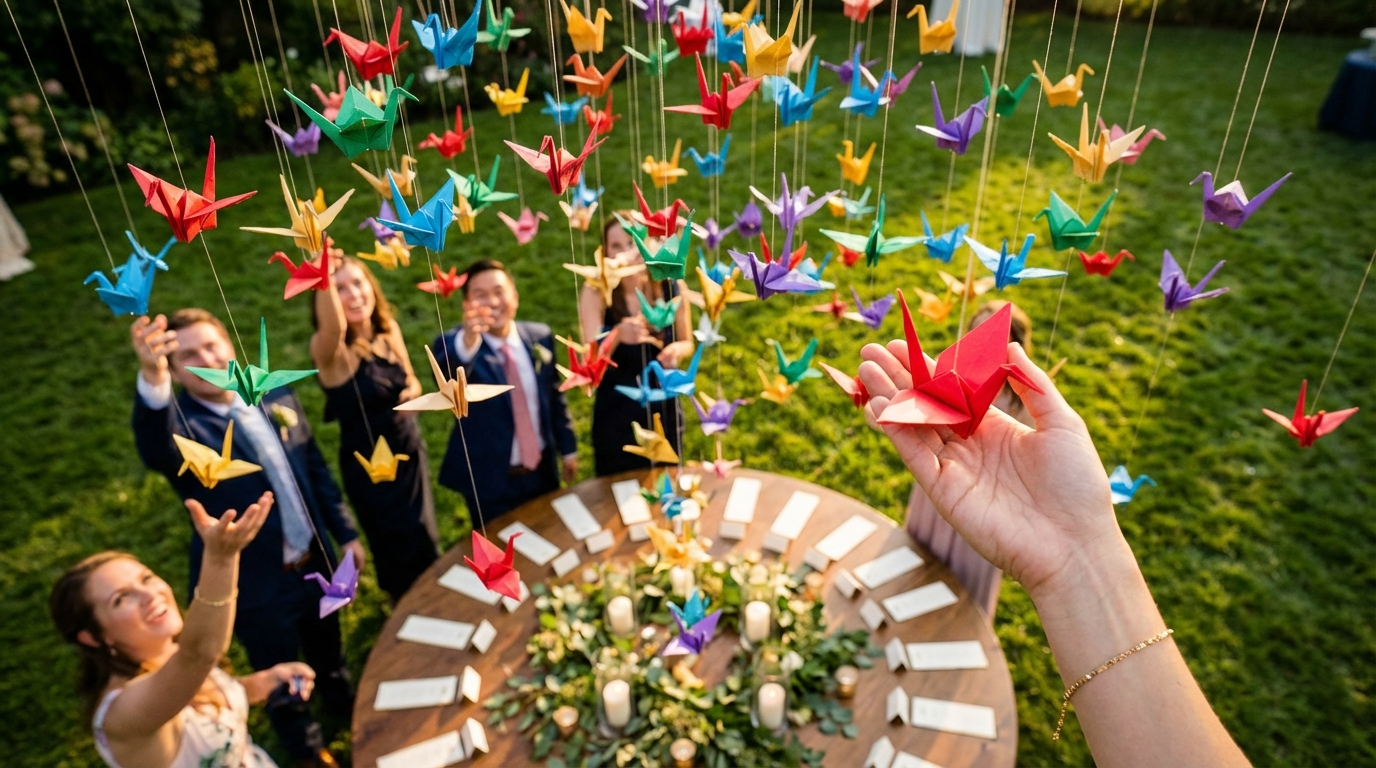
- Interactive Seating: Create a seating chart that doubles as a fun activity. For example, a "Find Your Match" game where guests have to find their table by matching a trivia question to the answer on the table card.
- Photo Seating Chart: Instead of names, use photos of your guests to indicate their table assignments. This adds a personal touch and can be a great conversation starter.
- Charity Seating: Donate to a charity in your guests' names and use the table cards to inform them of the donation. This is a meaningful way to give back on your special day.
These are just a few examples. The key is to think outside the box and create a seating plan that reflects your unique style and values. Don't be afraid to experiment and have fun with it!
Round vs. Rectangular Tables: Which is Right for You?
Choosing between round and rectangular tables is a key decision in your wedding seating plan. Each shape has its own advantages and disadvantages, depending on your venue, guest list, and overall aesthetic.
Round Tables
- Foster better conversation among guests.
- Create a more intimate and elegant atmosphere.
- Generally require more space per guest.
- Can sometimes feel less modern or trendy.
Rectangular Tables
- More space-efficient, especially for larger guest lists.
- Create a more modern and streamlined look.
- Can be easily arranged in different configurations.
- May require more strategic seating to encourage conversation.
Ultimately, the best choice depends on your specific needs and preferences. Consider visiting your venue and visualizing both options before making a decision. You can also mix and match round and rectangular tables to create a more dynamic and visually interesting space. For example, you could use round tables for guest seating and rectangular tables for the head table or buffet stations. Consider how the flow of the room will work with each shape.
Dealing With Divas: Addressing Difficult Seating Situations
Let's face it, not every guest is going to be thrilled with their assigned seat. Whether it's a family feud, a personality clash, or simply a case of unrealistic expectations, you're bound to encounter some difficult seating situations. Here's how to handle them with grace and diplomacy:
- Communicate Openly: If you anticipate a potential conflict, reach out to the involved parties in advance and explain your seating decisions. Transparency can often diffuse tension and prevent hurt feelings.
- Emphasize the Positive: Focus on the positives of their assigned seating, such as the opportunity to meet new people or the proximity to the dance floor.
- Offer a Compromise: If possible, offer a compromise that addresses their concerns without disrupting the overall seating plan.
- Stand Your Ground: Ultimately, it's your wedding, and you have the right to make the final decisions. Don't be afraid to stand your ground if necessary, but always do so with kindness and respect.
Remember, you can't please everyone. The goal is to create a seating plan that is fair, thoughtful, and conducive to a positive atmosphere. Don't let a few difficult personalities derail your efforts. Focus on the overall experience and trust that your guests will appreciate the effort you've put in.
Common Wedding Seating Plan Mistakes to Avoid
Even with the best intentions, it's easy to make mistakes when creating your wedding seating plan. Here are a few common pitfalls to avoid:
- Neglecting Family Dynamics: Be mindful of family relationships and potential conflicts. Avoid seating estranged relatives next to each other or placing divorced parents at the same table.
- Ignoring Guest Preferences: Try to accommodate guest preferences as much as possible. If someone has expressed a strong desire to sit with a particular group, do your best to honor their request.
- Overcrowding Tables: Don't try to squeeze too many guests around a single table. This can make people feel cramped and uncomfortable. Allow for adequate space for dining and conversation.
- Forgetting About Singles: Be sensitive to the needs of single guests. Avoid seating them all together at a "singles table." Instead, integrate them into tables with people they know or are likely to get along with.
Expert Tips for a Flawless Wedding Seating Arrangement
Want to take your wedding seating plan to the next level? Here are a few expert tips to ensure a flawless execution:
- Consider the Flow: Think about the flow of traffic in your reception space. Position tables in a way that allows guests to move easily between the bar, the dance floor, and the restrooms.
- Pay Attention to Sightlines: Ensure that all guests have a clear view of the head table, the dance floor, and any other focal points in the room.
- Use Place Cards: Place cards are a great way to personalize your seating chart and make guests feel welcome. They also help to avoid confusion and ensure everyone sits in their assigned seat.
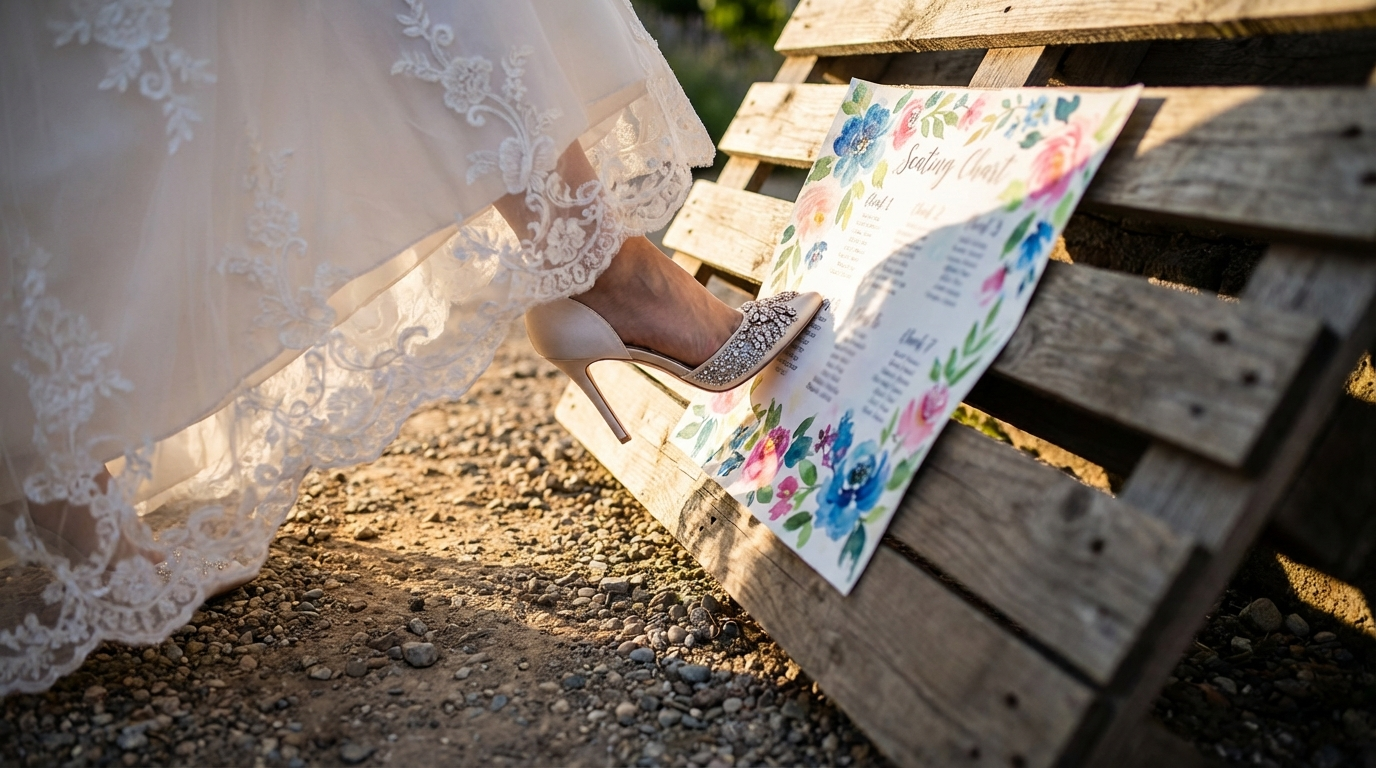
- Communicate Clearly: Display your seating chart prominently at the entrance to the reception area. Use clear and easy-to-read signage.
By following these tips, you can create a wedding seating plan that is both functional and beautiful. Your guests will appreciate the thoughtfulness and care you've put into creating a comfortable and enjoyable experience for them.
Frequently Asked Questions
Ideally, you should start working on your wedding seating plan about 4-6 weeks before your wedding date. This gives you enough time to gather RSVPs, consider guest dynamics, and make adjustments as needed. However, it's never too early to start brainstorming ideas and creating a preliminary guest list.
Get Event Planning Tips
Weekly tips on seating arrangements, event layouts, and planning strategies.
SeatingChart Team
Our team of event planning experts is dedicated to helping you create unforgettable events with perfect seating arrangements.
Ready to Create Your Seating Chart?
Start planning your perfect event layout with our free drag-and-drop seating chart creator. No sign-up required to try it out!
Try Free Seating Chart Creator