7 Wedding Seating Chart Template Free Download Mistakes That Cause Chaos (Avoid #3!)
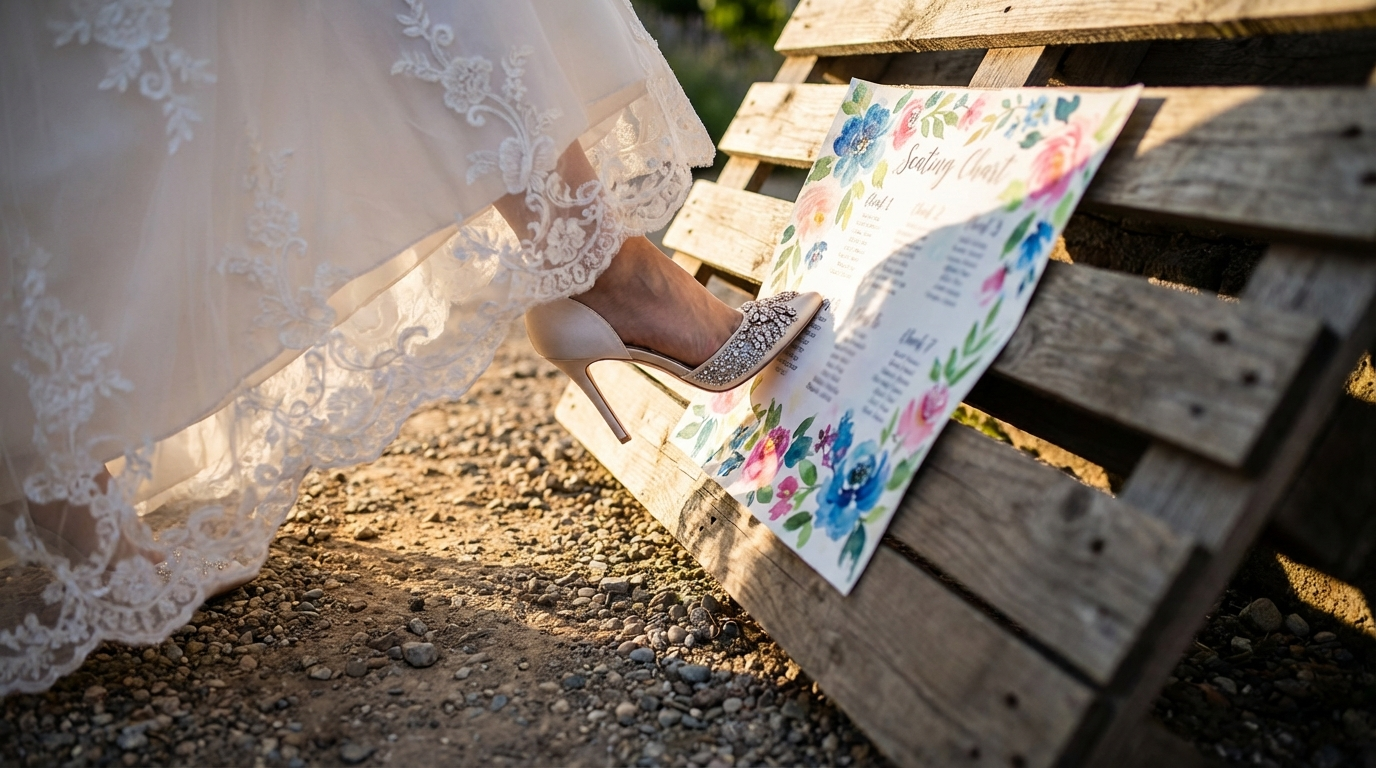
Planning a wedding involves countless details, and one of the most crucial is the seating arrangement. A well-thought-out wedding seating chart can ensure your guests feel comfortable, connected, and ready to celebrate. However, choosing the wrong wedding seating chart template free download can quickly turn your reception into a logistical nightmare. From mismatched table shapes to overlooked dietary restrictions, the potential pitfalls are numerous. Before you start downloading the first free template you find, let's explore the common mistakes and how to avoid them. Mastering the art of the table arrangement will not only simplify your planning process but also contribute significantly to the overall enjoyment of your big day.
Key Takeaways
- Choosing the wrong template can lead to seating arrangement errors and guest discomfort.
- Failing to customize a generic template for your specific needs can cause unnecessary stress.
- Overlooking crucial details like dietary restrictions and accessibility is a common mistake.
- Using outdated or incompatible software can complicate the seating chart creation process.
- Proper planning and attention to detail are key to a successful and stress-free seating arrangement.
Why Your Wedding Seating Chart Template Matters
Think of your wedding seating chart as the roadmap for your reception. It guides guests to their tables, sets the tone for conversation, and influences the overall flow of the event. A poorly designed or implemented seating plan can lead to awkward social dynamics, logistical headaches, and even hurt feelings. That's why selecting the right wedding seating chart template free download is more than just a matter of aesthetics; it's about creating a positive and memorable experience for everyone involved.
A good template provides a solid foundation, helping you visualize the room layout, manage guest assignments, and keep track of important details. It also saves you time and effort by automating some of the more tedious aspects of the planning process. However, it's crucial to remember that a template is just a starting point. You'll need to customize it to fit your specific needs, preferences, and the unique characteristics of your guest list and venue.
For example, what looks good on paper might not translate well in reality. The best table arrangement considers sightlines, acoustics, and accessibility. Using a template that doesn't allow for these considerations can result in a less-than-ideal seating arrangement.
Mistake #1: Using a Generic Template Without Customization
One of the biggest mistakes couples make is downloading a wedding seating chart template free download and using it as is, without taking the time to customize it. Generic templates often lack the flexibility to accommodate unique venue layouts, varying table sizes, and the specific needs of your guests. They might not offer enough space for detailed notes, dietary restrictions, or other important considerations.
Imagine trying to fit a square peg into a round hole – that's essentially what you're doing when you try to force a generic template to work for your wedding. Each wedding is unique, and your seating plan should reflect that. Customization allows you to tailor the template to your specific guest list, venue, and overall vision.
Customization might involve adjusting the table sizes, adding extra columns for dietary restrictions, or modifying the color scheme to match your wedding theme. It could also mean incorporating specific instructions for the venue staff, such as where to place wheelchairs or how to handle guests with mobility issues.
Take the time to personalize your chosen seating chart. Your guests will appreciate the extra thought, and you'll be less likely to encounter unexpected problems on your big day.
Mistake #2: Ignoring Table Shapes and Sizes
Another common pitfall is overlooking the importance of table shapes and sizes. Many wedding seating chart template free download options assume a standard round table configuration, which may not align with your venue's setup. Ignoring these details can lead to inaccurate seating assignments and logistical challenges on the day of your wedding.
Consider the different types of tables available: round, rectangular, square, and even oval. Each shape has its own advantages and disadvantages, and the right choice will depend on your venue, guest count, and desired aesthetic. Round tables, for example, are great for fostering conversation, while rectangular tables can be more space-efficient.
Furthermore, the size of the tables matters. A standard round table typically seats 8-10 guests, but smaller or larger tables may require adjustments to your table arrangement. Make sure your template accurately reflects the table sizes at your venue to avoid overcrowding or empty seats.
Using a seating chart template that lets you specify table shapes and sizes is crucial. SeatingChartCreator.com offers a free, user-friendly tool that allows you to easily customize your seating chart to match your venue's layout and table configurations.
Design Your Perfect Seating Chart
Free drag-and-drop seating chart creator for weddings, events, and venues. Export professional PDFs in minutes.
Create Free Seating ChartMistake #3: Overlooking Dietary Restrictions and Allergies
Failing to account for dietary restrictions and allergies is not only a logistical oversight but also a sign of disrespect towards your guests. A good wedding seating chart should include a way to track these important details, ensuring that everyone can enjoy the meal without worry or discomfort.
In today's world, dietary restrictions are increasingly common. Vegetarian, vegan, gluten-free, dairy-free — the list goes on. Ignoring these needs can lead to guests feeling excluded or even experiencing allergic reactions. Make sure your template allows you to note any dietary requirements for each guest, and communicate this information clearly to your caterer.
Collecting this information can be done through your RSVP system or by directly contacting guests who haven't provided it. Once you have the data, make sure it's accurately recorded on your seating plan. This will help the catering staff serve the correct meals to the right people, preventing any embarrassing or potentially dangerous situations.
Many seating chart templates lack the ability to mark these restrictions clearly. Be sure to find one that allows you to add notes or symbols next to each guest's name. This attention to detail will show your guests that you care about their well-being and comfort.
Mistake #4: Neglecting Accessibility Needs
Ensuring your wedding is accessible to all guests, including those with disabilities, is a crucial aspect of inclusive event planning. Overlooking accessibility needs when creating your wedding seating chart can lead to discomfort, inconvenience, and even exclusion for some of your loved ones.
Consider guests who use wheelchairs, walkers, or other mobility aids. Make sure there is ample space for them to navigate through the venue and access their tables comfortably. Avoid placing them in crowded areas or near obstacles that could hinder their movement.
Also, think about guests with visual or hearing impairments. Position them closer to the front of the room or near speakers so they can better participate in the festivities. Provide large-print menus or sign language interpreters if needed.
Your seating chart template should allow you to mark guests with accessibility needs and indicate any specific requirements, such as wheelchair access or proximity to restrooms. This will help you create a seating arrangement that is both comfortable and inclusive for everyone.
Accessibility Checklist
- Identify guests with mobility, visual, or hearing impairments
- Ensure adequate space for wheelchairs and mobility aids
- Position guests with impairments near the front or speakers
- Provide large-print menus or sign language interpreters if needed
Mistake #5: Failing to Consider Social Dynamics
A successful wedding seating chart goes beyond logistics and considers the social dynamics of your guest list. Placing guests who don't know each other or who have conflicting personalities at the same table can lead to awkward conversations and uncomfortable silences. Conversely, strategically pairing guests who share common interests or who are likely to get along can create a lively and engaging atmosphere.
Think about your guests' personalities, interests, and relationships. Who are the extroverts who will liven up any table? Who are the introverts who might prefer a quieter setting? Are there any family feuds or friend conflicts that you need to navigate? The more you know about your guests, the better you can create a seating arrangement that fosters positive interactions.
Consider grouping guests with similar interests or backgrounds together. For example, you might seat your college friends at one table, your work colleagues at another, and your family members at a third. This can help spark conversation and create a sense of camaraderie.
Don't be afraid to mix things up a bit, but always be mindful of potential conflicts. Avoid seating exes next to each other, or placing guests with opposing political views at the same table. A little bit of strategic planning can go a long way in creating a harmonious and enjoyable atmosphere for everyone.
Mistake #6: Waiting Until the Last Minute
Procrastination is a common enemy of wedding planning, and creating your wedding seating chart is no exception. Waiting until the last minute to tackle this task can lead to rushed decisions, overlooked details, and unnecessary stress. Start planning your seating arrangement well in advance to give yourself ample time to consider all the factors involved and make informed choices.
Begin by gathering information about your guests' dietary restrictions, accessibility needs, and social dynamics. Create a preliminary guest list and start thinking about potential table assignments. Use a seating chart template to visualize the room layout and experiment with different arrangements.
As your RSVP deadline approaches, finalize your guest list and confirm any outstanding dietary needs or accessibility requirements. Review your seating chart and make any necessary adjustments. Don't be afraid to solicit feedback from trusted friends or family members.
By starting early and working systematically, you can avoid the last-minute scramble and ensure that your seating arrangement is well-planned and thoughtfully executed. This will not only reduce your stress levels but also contribute to a smoother and more enjoyable wedding day for everyone.
Gather Guest Information
Collect dietary restrictions, accessibility needs, and social preferences through your RSVP system or direct communication.
Create a Preliminary Guest List
Compile a list of all confirmed guests and start brainstorming potential table assignments based on their relationships and interests.
Visualize the Seating Arrangement
Use a wedding seating chart template free download to map out the room layout and experiment with different seating arrangements.
Finalize and Review
As the RSVP deadline approaches, finalize your guest list and review your seating chart, making any necessary adjustments based on new information or feedback.
Mistake #7: Choosing Incompatible Software or Formats
Selecting a wedding seating chart template free download that is incompatible with your computer or preferred software can lead to frustration and wasted time. Ensure that the template you choose is compatible with your operating system (Windows, macOS, etc.) and the software you plan to use (Microsoft Word, Excel, Google Sheets, or a dedicated seating chart tool).
Many free templates are offered in various formats, such as DOCX (Microsoft Word), XLSX (Microsoft Excel), or PDF. Choose the format that best suits your needs and technical skills. If you're not comfortable using spreadsheets, a Word template might be a better option. Alternatively, consider using a dedicated seating chart tool like SeatingChartCreator.com, which offers a user-friendly interface and eliminates the need for manual formatting.
Before you invest too much time in customizing a template, make sure you can open, edit, and save it without any issues. Test it out with a small sample of guest names to ensure that everything works as expected. This will save you from potential headaches down the road.
Examples of Effective Seating Arrangements
Visualizing different seating arrangements can help you decide what works best for your wedding. Here are two common table setups and the pros and cons of each:
Round Tables
- Pros: Foster conversation among guests, create a classic and elegant look, allow for easy movement around the table.
- Cons: Can take up more space than rectangular tables, may not be ideal for large groups, can be more expensive to rent.
Rectangular Tables
- Pros: More space-efficient, can accommodate larger groups, offer a modern and minimalist aesthetic, often more affordable to rent.
- Cons: Can be difficult to foster conversation across the table, may require more elaborate centerpieces, can feel less intimate than round tables.
Another popular option is a "sweetheart table" for the bride and groom, which allows them to have a private space while still being part of the celebration. This works well if you want to minimize the pressure of mingling with guests during dinner and focus on enjoying each other's company.
Consider also the option of having a "head table" for the wedding party. This allows you to honor your closest friends and family members while keeping them close to the action. Just make sure that everyone at the head table knows each other and will enjoy each other's company.
Expert Tips for a Stress-Free Seating Chart
Creating a wedding seating chart doesn't have to be a daunting task. Here are some expert tips to help you navigate the process with ease:
- Start early: Begin planning your seating arrangement as soon as you have a preliminary guest list.
- Gather information: Collect dietary restrictions, accessibility needs, and social preferences from your guests.
- Use a template: Choose a wedding seating chart template free download that is compatible with your software and customizable to your needs.
- Consider table shapes and sizes: Make sure your template accurately reflects the table configurations at your venue.
- Think about social dynamics: Place guests who know each other or who have common interests together.
- Be flexible: Be prepared to make adjustments to your seating arrangement as needed.
- Don't overthink it: Remember that your guests are there to celebrate your love, and they'll likely have a good time no matter where they're seated.
Common Mistakes to Avoid (and How to Fix Them)
Even with the best planning, mistakes can happen. Here are some common errors to watch out for when creating your wedding seating chart:
- Forgetting to update the chart after cancellations: Always review your seating chart after receiving any cancellations to avoid empty seats or unnecessary table arrangements.
- Not communicating the seating chart to the venue: Share your finalized seating chart with the venue coordinator and catering staff to ensure everyone is on the same page.
- Ignoring children: Decide whether you want to seat children with their parents or at a separate "kids' table."
- Placing loud speakers near elderly guests: Consider the comfort of your older guests when positioning tables near speakers or other sources of loud noise.
Frequently Asked Questions
Ideally, you should start working on your wedding seating chart about 4-6 weeks before your wedding date. This gives you enough time to gather RSVPs, consider guest preferences, and make any necessary adjustments. Waiting until the last minute can lead to rushed decisions and unnecessary stress.
Get Event Planning Tips
Weekly tips on seating arrangements, event layouts, and planning strategies.
SeatingChart Team
Our team of event planning experts is dedicated to helping you create unforgettable events with perfect seating arrangements.
Ready to Create Your Seating Chart?
Start planning your perfect event layout with our free drag-and-drop seating chart creator. No sign-up required to try it out!
Try Free Seating Chart Creator