Introduction
Planning a wedding is a joyous occasion, but let's be honest — it's also a logistical puzzle. From choosing the perfect venue to curating the menu, every detail demands your attention. One of the trickiest tasks? Figuring out your table assignments wedding. A poorly executed seating plan can lead to awkward silences, hurt feelings, and an overall less-than-stellar reception vibe. Avoid these wedding disasters by carefully curating your guest list's seating arrangements.
But fear not! With a little planning and the right tools, like SeatingChartCreator.com, you can create a wedding seating chart that ensures everyone has a fantastic time. This guide will walk you through common pitfalls to avoid, offering practical solutions and creative ideas to make your wedding reception a resounding success.
Design Your Perfect Seating Chart
Free drag-and-drop seating chart creator for weddings, events, and venues. Export professional PDFs in minutes.
Create Free Seating ChartKey Takeaways
- Carefully consider guest dynamics when creating your seating chart.
- Use a seating chart tool like SeatingChartCreator.com to simplify the process.
- Communicate your seating plan clearly to the venue and guests.
- Be prepared to make last-minute adjustments.
- Don't overthink it – aim for a balanced and enjoyable atmosphere.
The "Singles Table" Debacle
Ah, the infamous singles table. While it might seem like a good idea to play matchmaker, forcing all your single friends and relatives to sit together can feel isolating and awkward. No one wants to feel like they're on display, especially at a wedding.
Instead, consider strategically scattering your single guests throughout the reception. Place them at tables with people who share similar interests or personalities. This allows for organic connections and avoids the pressure of forced mingling. Think about who might enjoy each other's company, regardless of their relationship status. A shared hobby, a similar profession, or even a mutual friend can be a great starting point for conversation.
Also, never announce the "singles table" to the room. If you do decide to go this route, simply seat everyone and let them discover who else is at the table on their own. It helps reduce awkwardness and unwanted attention.
Forgetting About Family Feuds
We all have them — those family members who can't be in the same room without sparking a conflict. Ignoring these tensions when creating your table arrangements wedding is a recipe for disaster. Imagine Aunt Carol and Uncle Joe, who haven't spoken in five years, seated right next to each other during dinner. The resulting awkwardness could cast a shadow over your entire reception.
The solution? Be proactive and strategic. Find out about any potential conflicts beforehand and seat those individuals as far apart as possible. Consider placing buffer guests between them — friendly, neutral parties who can help diffuse any tension. Don't be afraid to consult with your close family members for advice; they often have valuable insights into family dynamics.
Sometimes, the best approach is to simply acknowledge the elephant in the room. Have a private conversation with the feuding parties beforehand, explaining your seating arrangements and politely requesting that they put aside their differences for your special day. Most people will be willing to cooperate, even if it's just for a few hours.
The "VIP" Table Fiasco
While it's natural to want to honor your closest friends and family by giving them prime seating, creating a blatantly obvious "VIP" table can backfire. Guests who aren't seated at the head table or nearby might feel slighted or unimportant.
Instead of creating a single, exclusive table, spread the love. Seat key family members and close friends at multiple tables throughout the venue. This way, everyone feels valued and included. You can also rotate between tables during dinner to spend time with as many guests as possible.
Consider focusing on creating a generally welcoming and inclusive atmosphere rather than singling out specific individuals. A well-designed venue layout, engaging entertainment, and thoughtful details can go a long way in making all your guests feel special.
How to Use SeatingChartCreator.com for Stress-Free Planning
Creating a wedding seating chart doesn't have to be a headache. With user-friendly tools like SeatingChartCreator.com, you can streamline the process and avoid common pitfalls. Here's a step-by-step guide to using our free online tool:
Create an Account
Visit SeatingChartCreator.com and sign up for a free account. This will allow you to save your progress and access your seating charts from anywhere.
Input Your Guest List
Add your guests to the system, including their names and any relevant information (e.g., dietary restrictions, relationships to other guests). You can manually enter each guest or upload a spreadsheet for faster input.
Design Your Venue Layout
Choose from a variety of table shapes and sizes, or create a custom layout that matches your venue's floor plan. Drag and drop tables to arrange them according to your preferences.
Assign Guests to Tables
Drag and drop guests onto the tables to create your seating chart. Use the notes feature to add reminders about guest preferences or relationships.
Preview and Finalize
Preview your seating chart to ensure everything looks perfect. Make any necessary adjustments and then save your final design. You can then share it with your venue or print it out for reference.
Ignoring Dietary Restrictions and Allergies
In today's world, dietary restrictions and allergies are increasingly common. Failing to account for these needs when creating your table assignments wedding is not only inconsiderate but potentially dangerous.
Make sure to include a space on your RSVP cards for guests to indicate any dietary restrictions or allergies. When you receive the responses, carefully record this information in your guest list. Many online tools, including SeatingChartCreator.com, allow you to add notes to each guest profile, making it easy to keep track of special needs.
Share this information with your caterer and venue staff well in advance of the wedding. They can then create appropriate meal options and ensure that guests with allergies are seated in areas where they won't be exposed to potential allergens. Consider designating specific tables as "allergy-free zones" if necessary.
The "Kids Table" Conundrum
The kids table can be a tricky subject. While it might seem like a good way to keep children entertained and away from the adults, it can also lead to feelings of exclusion and boredom. Depending on the ages of the children, a separate table might not be the best option.
Consider the ages and personalities of the children attending your wedding. If they're mostly young and energetic, a kids table with age-appropriate activities and entertainment might be a good idea. Provide coloring books, games, or even a designated area for them to play. However, if the children are older and more mature, they might prefer to sit with their parents or other family members.
Another option is to create a "family table" where parents and children can sit together. This allows for a mix of ages and can be more inclusive. You can also provide activities and entertainment that appeal to both children and adults, such as board games or card games.
Failing to Communicate the Seating Plan
You've spent hours perfecting your table assignments wedding, but all that effort will be wasted if you don't communicate the plan effectively to your guests. A clear and well-organized seating chart is essential for ensuring that everyone knows where to go and that the reception runs smoothly.
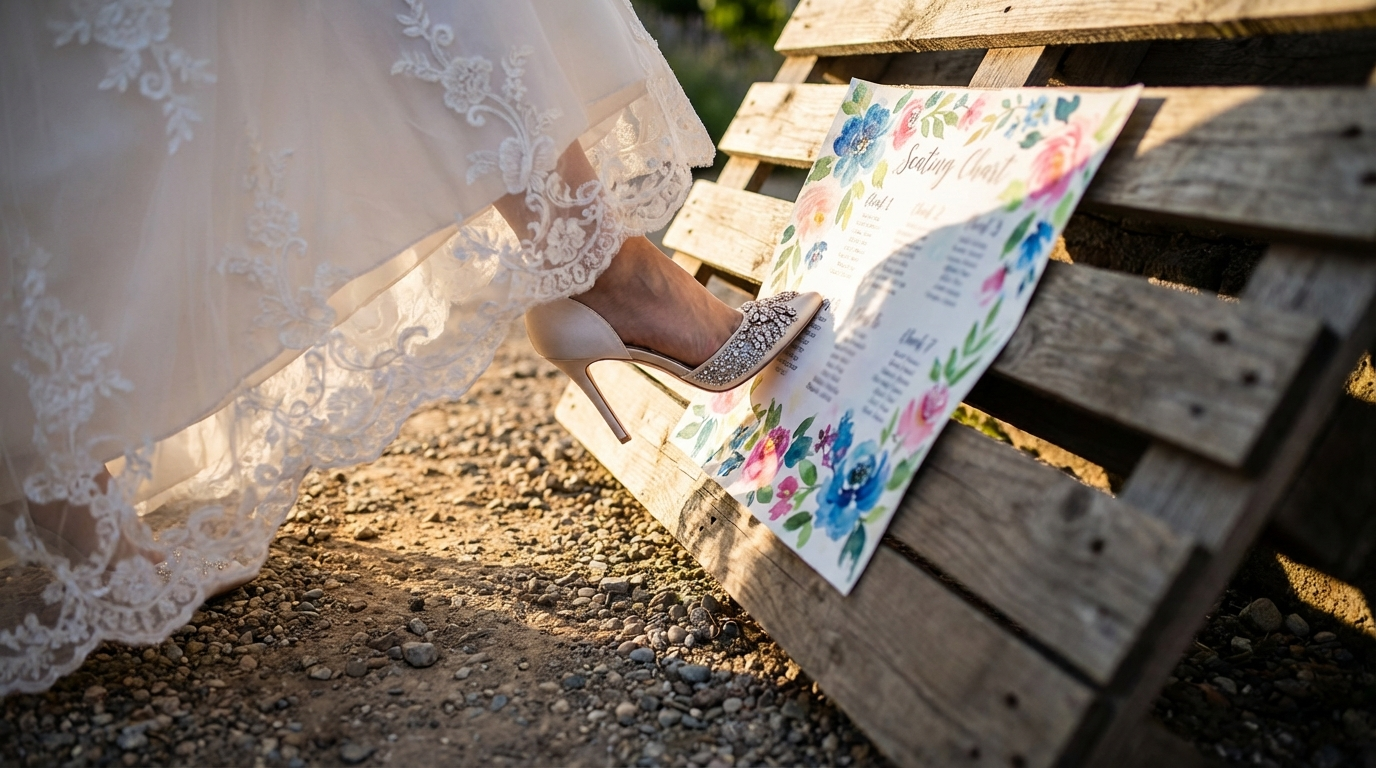
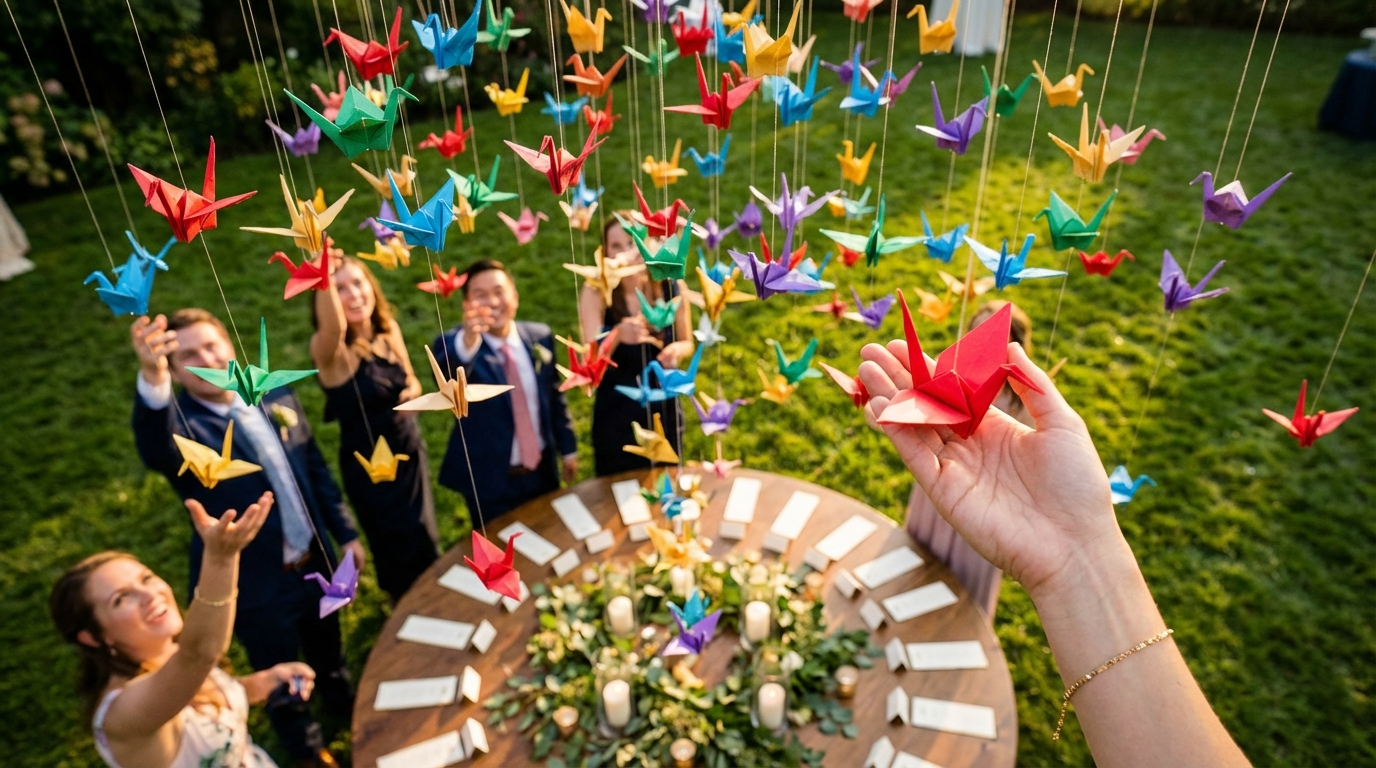
There are several ways to display your seating chart. You can print a large poster-sized chart and place it near the entrance to the reception area. Alternatively, you can create individual escort cards or place cards that direct each guest to their assigned table. Escort cards are typically arranged alphabetically, while place cards are placed at each guest's seat at the table.
Make sure that the seating chart is easy to read and understand. Use clear fonts and legible handwriting. If you're using escort cards or place cards, include the guest's full name and table number. Consider using a seating chart template to ensure consistency and professionalism. SeatingChartCreator.com offers free templates for download.
Last-Minute Guest Changes and No-Shows
Even with the most meticulous planning, last-minute guest changes and no-shows are inevitable. Someone might get sick, a travel delay might occur, or a guest might simply forget to RSVP. Being prepared for these unexpected changes is crucial for avoiding a seating chart disaster.
Build some flexibility into your seating plan. Leave a few empty seats at each table to accommodate last-minute additions or adjustments. If you know that some guests are likely to cancel, consider over-inviting slightly to ensure that you still have a full house. Have a backup plan in place for dealing with no-shows, such as reassigning seats or simply removing the extra place settings.
Don't be afraid to make adjustments on the fly. If a guest cancels at the last minute, don't hesitate to shuffle the seating arrangements to fill the empty seat. Be prepared to think on your feet and adapt to changing circumstances. The goal is to ensure that everyone has a comfortable and enjoyable experience, even if it means deviating from your original plan.
Overthinking It: The Paralysis of Analysis
While careful planning is essential, it's also possible to overthink your table assignments wedding. Spending endless hours agonizing over every detail can lead to stress and frustration. Remember, the goal is to create a welcoming and enjoyable atmosphere, not to achieve perfection.
Don't get bogged down in minor details. Focus on the big picture — ensuring that your guests are seated with people they'll enjoy spending time with. Don't worry too much about seating charts etiquette rules or trying to please everyone. It's simply not possible.
Trust your instincts and make decisions based on your knowledge of your guests. If you're unsure about a particular seating arrangement, ask for advice from your close friends or family members. But ultimately, the final decision is yours. Remember, the most important thing is that you and your partner are happy and that your guests feel loved and appreciated.
Round vs. Rectangular Tables: A Seating Showdown
The shape of your tables can significantly impact the flow and feel of your reception. Round tables encourage conversation and create a more intimate atmosphere, while rectangular tables are better for maximizing space and creating a more formal look. Consider the pros and cons of each when planning your table arrangements wedding.
Round Tables
- Better for conversation: Easier for guests to see and talk to each other.
- Classic, elegant look: Creates a more traditional and romantic ambiance.
- Space-consuming: Require more floor space than rectangular tables.
Rectangular Tables
- More space-efficient: Ideal for smaller venues or maximizing seating capacity.
- Modern aesthetic: Creates a more contemporary and streamlined look.
- Can feel less intimate: Guests may find it harder to converse with those at the opposite end of the table.
Ultimately, the best choice depends on your venue, your personal preferences, and the overall style of your wedding. You can even mix and match table shapes to create a more dynamic and visually interesting layout. Just be sure to consider the impact on seating arrangements and guest interaction.
Expert Tips for Flawless Table Assignments
Creating a seating chart that works for everyone requires a thoughtful approach and attention to detail. Here are some expert tips to help you avoid common pitfalls and ensure a seamless reception:
- Start Early: Don't wait until the last minute to start working on your seating chart. Give yourself plenty of time to gather information, consider different options, and make adjustments as needed.
- Gather Feedback: Consult with your close friends and family members for advice and insights. They may have valuable information about guest relationships or potential conflicts.
- Use a Seating Chart Tool: Tools like SeatingChartCreator.com can simplify the process and help you visualize your seating arrangements.
- Be Flexible: Be prepared to make last-minute changes and adapt to unexpected circumstances.
- Focus on the Big Picture: Don't get bogged down in minor details. The goal is to create a welcoming and enjoyable atmosphere for all your guests.
Frequently Asked Questions
Ideally, you should aim to finalize your wedding seating chart about 2-3 weeks before your wedding day. This allows you enough time to account for any last-minute RSVPs or changes. It also gives your venue and caterer ample time to prepare for the final guest count and any dietary restrictions.
Get Event Planning Tips
Weekly tips on seating arrangements, event layouts, and planning strategies.
SeatingChart Team
Our team of event planning experts is dedicated to helping you create unforgettable events with perfect seating arrangements.
Ready to Create Your Seating Chart?
Start planning your perfect event layout with our free drag-and-drop seating chart creator. No sign-up required to try it out!
Try Free Seating Chart Creator