11 Creative Seating Charts Mistakes That Make Guests Cringe (Avoid #7)
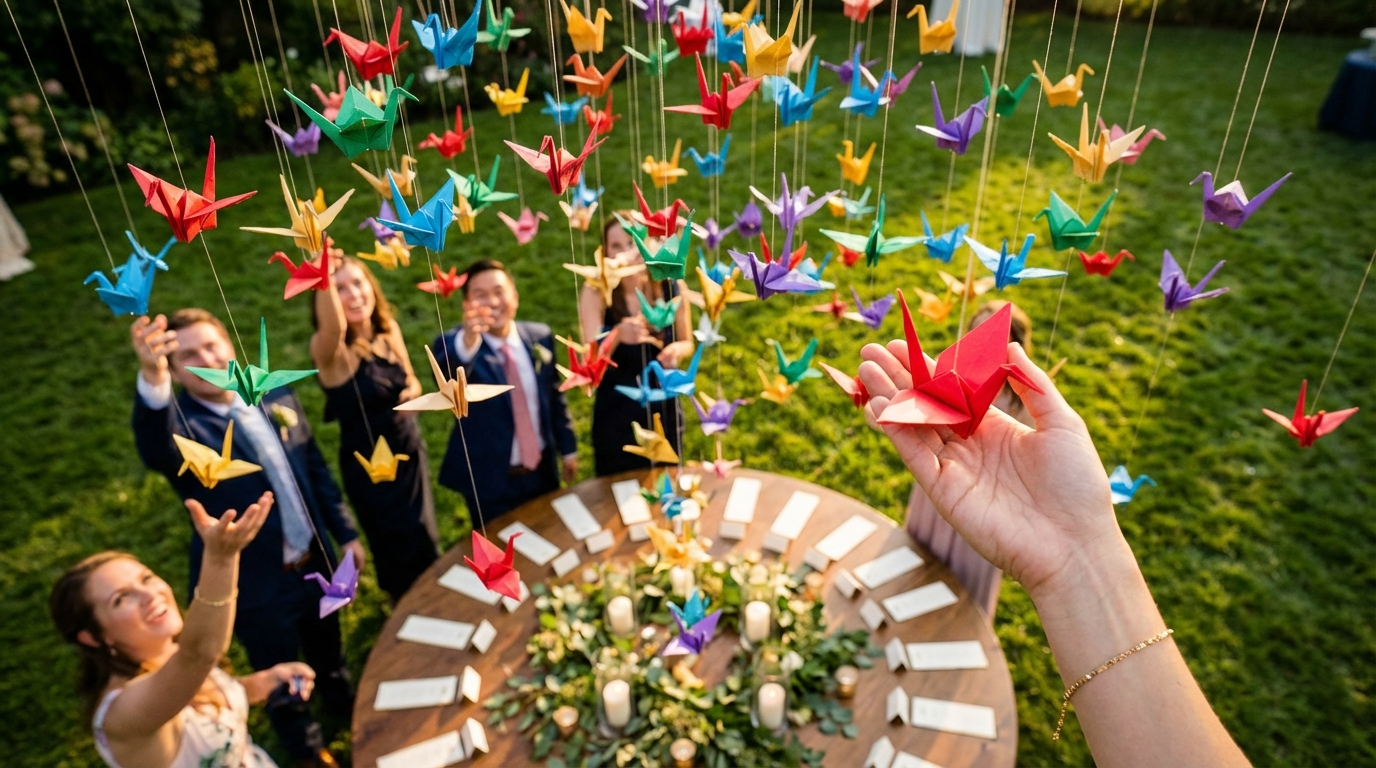
Planning a wedding or special event involves countless details, but one that often gets overlooked until the last minute is the seating chart. A well-thought-out table arrangement can make your guests feel welcome and ensure a smoothly flowing event. However, a poorly planned seating plan can lead to awkward conversations, hurt feelings, and an overall negative experience. Are you ready to make sure your event's seating arrangement leaves a positive lasting impression? Let's dive into common pitfalls and how to create creative seating charts that will delight your guests, not make them cringe!
Key Takeaways
- Avoid separating couples or grouping guests with nothing in common.
- Consider guest personalities and relationships when creating your seating plan.
- Use a free online tool like SeatingChartCreator.com to simplify the planning process.
- Clearly display your seating chart on the event day for easy guest navigation.
- Always double-check your table arrangement for accuracy before the event.
Why Your Seating Chart Matters More Than You Think
You might think the seating chart is just a minor detail, but it significantly impacts your guests' experience. Imagine being seated next to someone you have absolutely nothing in common with, or worse, being separated from your significant other at a wedding. These scenarios can create discomfort and prevent guests from fully enjoying the event. A well-planned seating arrangement fosters conversation, encourages mingling, and helps create a positive atmosphere. It shows your guests that you care about their comfort and want them to have a great time.
Design Your Perfect Seating Chart
Free drag-and-drop seating chart creator for weddings, events, and venues. Export professional PDFs in minutes.
Create Free Seating ChartThink of your seating chart as a puzzle. Each guest is a piece, and your goal is to arrange them in a way that creates a harmonious picture. Consider their personalities, interests, and relationships with other guests. Are there any feuding family members you need to keep apart? Are there any natural conversationalists who can liven up a table? By carefully considering these factors, you can create a seating plan that maximizes enjoyment for everyone involved.
Moreover, an effective table arrangement can also streamline the flow of your event. Strategically placing VIP guests near the head table or ensuring that guests with mobility issues have easy access to restrooms and exits can make a big difference in their overall experience. The goal is to create a seating chart that not only promotes social interaction but also enhances the logistical aspects of your event.
The Cardinal Sins of Seating Charts: What NOT to Do
Creating creative seating charts isn't just about what you should do; it's also about avoiding common mistakes that can lead to guest discomfort. Here are some cardinal sins to avoid:
- Separating couples: Unless specifically requested, always seat couples together. Few things are more awkward than being separated from your partner at an event.
- Grouping guests with nothing in common: Avoid seating people together who have drastically different ages, interests, or backgrounds. Aim for common ground to spark conversation.
- Ignoring family dynamics: Be aware of any family feuds or sensitive relationships. Seat individuals accordingly to minimize potential drama.
- Forgetting about special needs: Ensure guests with mobility issues have easy access and comfortable seating. Consider dietary restrictions when placing guests near buffet tables.
- Disregarding personality types: Introverted guests might feel overwhelmed at a table full of extroverts. Try to balance personality types to create a comfortable environment for everyone.
These are just a few of the common pitfalls that can turn a well-intentioned seating plan into a disaster. By being mindful of your guests' needs and relationships, you can avoid these mistakes and create a seating chart that fosters a positive and enjoyable experience for all.
Step-by-Step: Creating a Seating Chart That Wows
Ready to create a seating chart that will impress your guests? Follow these steps to ensure a smooth and successful planning process:
Before You Start
- Finalize your guest list with confirmed RSVPs.
- Obtain a detailed floor plan of your venue.
- Determine the number and size of tables.
- Identify any VIP guests or those with special needs.
Gather Information
Start by collecting information about your guests. Consider their relationships with each other, their personalities, and any special needs they may have. This information will be crucial in making informed seating decisions.
Map Out Your Venue
Obtain a detailed floor plan of your venue, including the location of tables, stage, dance floor, restrooms, and exits. This will help you visualize the layout and plan your seating arrangement accordingly.
Group Your Guests
Begin by grouping guests who know each other well or share common interests. This will help spark conversation and create a more comfortable environment. Consider family groups, friend groups, and colleagues.
Assign Guests to Tables
Now it's time to assign guests to specific tables. Keep in mind the size of the tables and the number of guests you want to seat at each. Aim for a balance of personalities and interests at each table.
Use Seating Chart Software
Utilize a user-friendly online tool like SeatingChartCreator.com to create and visualize your seating chart. Our drag-and-drop interface makes it easy to move guests around and experiment with different arrangements until you find the perfect fit. You can also explore our free templates for inspiration.
Review and Revise
Once you've created your initial seating chart, take the time to review it carefully. Ask for feedback from family members or friends who know your guests well. Be prepared to make revisions as needed until you're completely satisfied with the arrangement.
Communicate Your Plan
Clearly display your final seating chart at the entrance of your event. Use elegant signage or a digital display to guide guests to their assigned tables. You can also provide escort cards with table numbers for a more personalized touch.
Creative Seating Chart Ideas to Inspire You
Looking for some inspiration for your creative seating charts? Here are a few ideas to get you started:
- Themed Seating: Assign tables based on shared interests or hobbies. For example, a "Travel" table for guests who love to explore, or a "Foodie" table for culinary enthusiasts.
- Milestone Moments: Name tables after significant milestones in your relationship, such as "First Date," "Engagement," or "Honeymoon Destination."
- Literary Inspiration: Use titles of your favorite books or authors as table names. This is a great option for book lovers!
- Musical Themes: Name tables after your favorite songs or bands. Create a playlist that complements the theme for each table.
- Geographical Locations: Name tables after places that are special to you, such as cities you've visited together or places where you have fond memories.
These are just a few ideas to spark your creativity. The key is to choose a theme that reflects your personality and interests as a couple. Get creative and have fun with it!
Leveraging Technology: How SeatingChartCreator.com Simplifies the Process
Gone are the days of sticky notes and endless spreadsheets! SeatingChartCreator.com offers a user-friendly, intuitive platform to design your seating plan with ease. Our drag-and-drop interface allows you to create and modify your table arrangement in real-time, saving you time and stress.
With SeatingChartCreator.com, you can:
- Easily import your guest list from a spreadsheet.
- Visualize your venue layout and table arrangements.
- Drag and drop guests to assign them to tables.
- Collaborate with family and friends on the seating plan.
- Generate printable seating charts and escort cards.
Our platform is completely free to use, so you can experiment with different seating arrangements without any financial commitment. Say goodbye to the headaches of manual seating chart creation and hello to a seamless, stress-free planning experience. You can Create Your Seating Chart here!
The Psychology of Seating: Creating the Right Vibe
Did you know that the way you seat your guests can influence their mood and interactions? It's true! The psychology of seating plays a significant role in creating the right vibe for your event. Consider these factors when planning your table arrangement:
- Table Shape: Round tables promote conversation and create a sense of equality, while rectangular tables are more formal and can accommodate larger groups.
- Proximity to Activities: Place guests who enjoy being in the center of the action near the dance floor or stage. Seat those who prefer a quieter atmosphere further away.
- Lighting and Décor: Consider the lighting and décor at each table. Dim lighting can create a romantic ambiance, while bright lighting is more conducive to conversation.
- Table Size: Avoid overcrowding tables, as this can make guests feel uncomfortable. Ensure there is ample space for each guest to eat and move around.
By considering these psychological factors, you can create a seating chart that maximizes comfort and enjoyment for your guests. The goal is to create an environment that encourages interaction, fosters connection, and sets the stage for a memorable event.
Round vs. Rectangular Tables: Which is Right for Your Event?
Choosing between round and rectangular tables is a crucial decision that will impact your seating chart and the overall atmosphere of your event. Here's a comparison to help you decide:
Round Tables
- Promote conversation and interaction.
- Create a sense of intimacy and equality.
- Offer a classic and elegant look.
- Can be more space-consuming.
Rectangular Tables
- Maximize space utilization.
- Offer a more formal and structured look.
- Ideal for large groups and family-style meals.
- Can sometimes hinder conversation.
Ultimately, the best choice depends on your venue layout, guest count, and desired atmosphere. If you prioritize conversation and intimacy, round tables are a great option. If you need to maximize space and create a more formal setting, rectangular tables may be a better fit.
Escort Cards vs. Seating Charts: Which Should You Choose?
When it comes to guiding guests to their tables, you have two primary options: escort cards and seating charts. Both serve the same purpose, but they offer different advantages and disadvantages.
- Escort Cards: These are small cards with each guest's name and table number. They are typically displayed on a table near the entrance of the event.
- Seating Charts: This is a large display listing all guests and their assigned tables. It can be a printed poster, a chalkboard, or a digital display.
Escort cards offer a more personalized touch and can double as favors. They also allow guests to mingle as they search for their cards. However, they can be time-consuming to create and may require more space to display. Seating charts are easier to create and display, but they may not feel as personal as escort cards.
Ultimately, the best choice depends on your budget, time constraints, and desired level of personalization. Consider the pros and cons of each option before making a decision.
Common Seating Chart Mistakes (and How to Fix Them!)
Even with careful planning, mistakes can happen. Here's a roundup of common seating chart errors and how to correct them:
- Typos and Misspellings: Double-check all names and table numbers for accuracy. Typos can be embarrassing and create confusion.
- Incorrect Table Assignments: Ensure that guests are assigned to the correct tables. A simple error can disrupt the entire seating arrangement.
- Missing Guests: Make sure all confirmed guests are included on the seating chart. A missing guest can feel overlooked and unwelcome.
- Unclear Instructions: Provide clear instructions on how to find assigned tables. Use clear signage and helpful staff to assist guests.
By being vigilant and addressing these common mistakes, you can ensure a smooth and stress-free seating chart experience for your guests.
Expert Tips for Creating a Memorable Seating Experience
Want to take your seating chart to the next level? Here are some expert tips to create a truly memorable experience for your guests:
- Add Personal Touches: Include personalized notes or small favors at each place setting. This shows guests that you put thought and care into their experience.
- Create Conversation Starters: Place conversation starters or fun facts at each table to encourage interaction and break the ice.
- Incorporate Visual Appeal: Use creative table decorations, centerpieces, and linens to enhance the visual appeal of your seating arrangement.
- Provide Entertainment: Consider providing entertainment at each table, such as a magician, musician, or comedian.
By incorporating these expert tips, you can create a seating chart that not only guides guests to their tables but also enhances their overall enjoyment of the event. The goal is to create a memorable and engaging experience that leaves a lasting positive impression.
Frequently Asked Questions
Ideally, you should start planning your seating chart about 4-6 weeks before your event. This gives you ample time to gather information about your guests, create a preliminary seating arrangement, and make revisions as needed. Waiting until the last minute can lead to unnecessary stress and potential errors.
Get Event Planning Tips
Weekly tips on seating arrangements, event layouts, and planning strategies.
SeatingChart Team
Our team of event planning experts is dedicated to helping you create unforgettable events with perfect seating arrangements.
Ready to Create Your Seating Chart?
Start planning your perfect event layout with our free drag-and-drop seating chart creator. No sign-up required to try it out!
Try Free Seating Chart Creator