7 Fun Seating Chart Ideas Mistakes That Make Guests Cringe (Avoid #4)
Planning an event can be both exciting and overwhelming, especially when it comes to seating arrangements. You want your guests to feel comfortable, connected, and ready to enjoy themselves. The seating chart is more than just a logistical necessity; it’s an opportunity to set the tone for your event and create memorable experiences. But where do you even begin? And how can you make the process fun and engaging instead of stressful? This guide is packed with fun seating chart ideas and strategies to ensure your event is a smashing success.
Key Takeaways
- Brainstorm unique seating chart themes to reflect your personal style or event's vibe.
- Use SeatingChartCreator.com to easily design and adjust your seating arrangements.
- Incorporate interactive elements like escort cards or personalized favors to engage guests.
- Avoid common seating chart mistakes like separating friends or neglecting dietary needs.
- Always have a backup plan for last-minute changes and unexpected guest arrivals.
Why is Your Seating Chart So Important?
Think of your seating chart as the unsung hero of your event. It's not just about filling seats; it's about crafting an atmosphere. A well-thought-out table arrangement can spark conversations, foster connections, and ensure everyone feels included. On the flip side, a poorly planned seating chart can lead to awkward silences, social divides, and even disgruntled guests. No pressure, right?
Design Your Perfect Seating Chart
Free drag-and-drop seating chart creator for weddings, events, and venues. Export professional PDFs in minutes.
Create Free Seating ChartA great seating chart considers several factors. Do you have guests who share common interests or backgrounds? Are there family dynamics to navigate? What about those who might need to be closer to the dance floor or further from the speakers? All of these considerations play a role in creating a harmonious and enjoyable experience for everyone.
By taking the time to carefully plan your seating, you're showing your guests that you care about their comfort and happiness. This attention to detail can significantly enhance their overall perception of your event and leave a lasting positive impression.
Brainstorming Fun Seating Chart Themes
Ready to inject some personality into your seating plan? Let's dive into the fun part: choosing a theme! A theme can tie your seating chart to the overall event aesthetic, making it a memorable feature instead of just a functional necessity.
Consider your event's overall style. Is it a rustic wedding? A modern corporate gala? A whimsical birthday party? The theme should complement the event's atmosphere and reflect your personal tastes. Here are a few ideas to get your creative juices flowing:
- Travel Theme: Name tables after cities you've visited or dream destinations. Use vintage maps as table coverings and miniature suitcases as centerpieces.
- Literary Theme: Name tables after your favorite books or authors. Use quotes from the books as part of the table decor.
- Musical Theme: Name tables after songs, artists, or musical genres. Use vinyl records as placemats or sheet music as table runners.
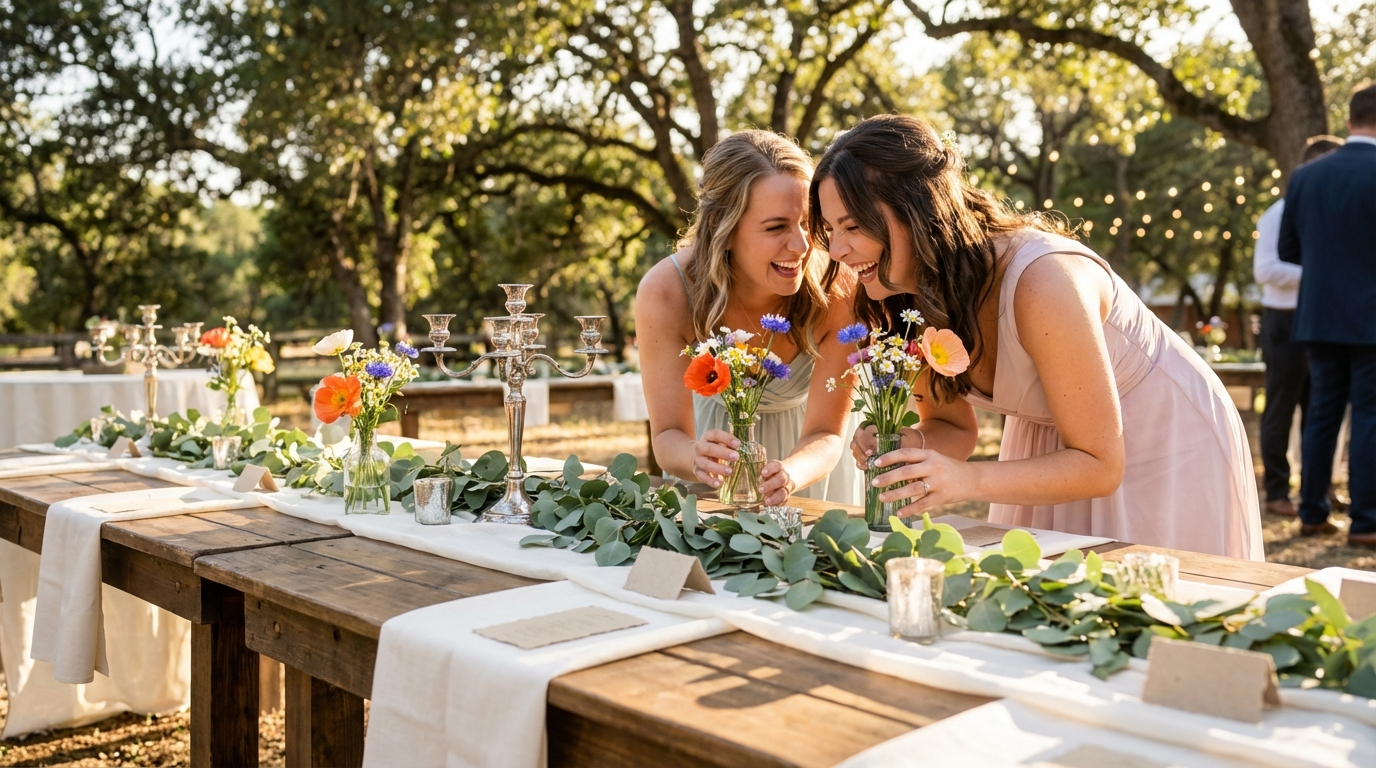
- Botanical Theme: Name tables after flowers or plants. Use floral arrangements that correspond to the table names.
- Movie Theme: Name tables after classic films. Use movie posters or film reels as part of the table decor.
Step-by-Step: Creating Your Seating Chart
Now that you have a theme in mind, let’s get practical and walk through the steps of creating your seating chart. This process can seem daunting, but with a systematic approach and the right tools, it can be surprisingly manageable.
Gather Your Guest List
Compile a complete list of all confirmed guests. Include any relevant information, such as dietary restrictions, accessibility needs, and relationships to other guests. This information will be crucial when making seating decisions.
Determine Your Venue Layout
Obtain a detailed floor plan of your venue. Note the size and shape of the room, the location of entrances, exits, and restrooms, and the placement of any fixed elements, such as pillars or stages. This will help you visualize the space and plan your table arrangement accordingly.
Choose Your Table Types
Decide on the types of tables you want to use (round, rectangular, square, etc.) and the number of guests you want to seat at each table. Round tables are generally better for conversation, while rectangular tables can be more space-efficient. Typical round tables seat 8-10 guests.
Start Placing Guests
Begin by placing your VIP guests (e.g., family members, close friends) at the tables closest to you or the head table. Then, start grouping guests who know each other or share common interests. Use SeatingChartCreator.com to drag-and-drop guests to their tables visually. It's a free and easy way to experiment with different arrangements.
Review and Adjust
Once you have a preliminary seating chart, review it carefully. Consider any potential conflicts or awkward pairings. Make adjustments as needed to ensure everyone is comfortable and happy. Don't be afraid to ask for feedback from trusted friends or family members.
Finalize and Communicate
Once you're satisfied with your seating chart, finalize it and share it with your venue or event coordinator. Prepare escort cards or a seating chart display to guide guests to their tables on the day of the event.
Interactive Seating Chart Elements
Want to take your seating chart to the next level? Consider incorporating interactive elements that engage your guests and add a touch of fun to the experience.
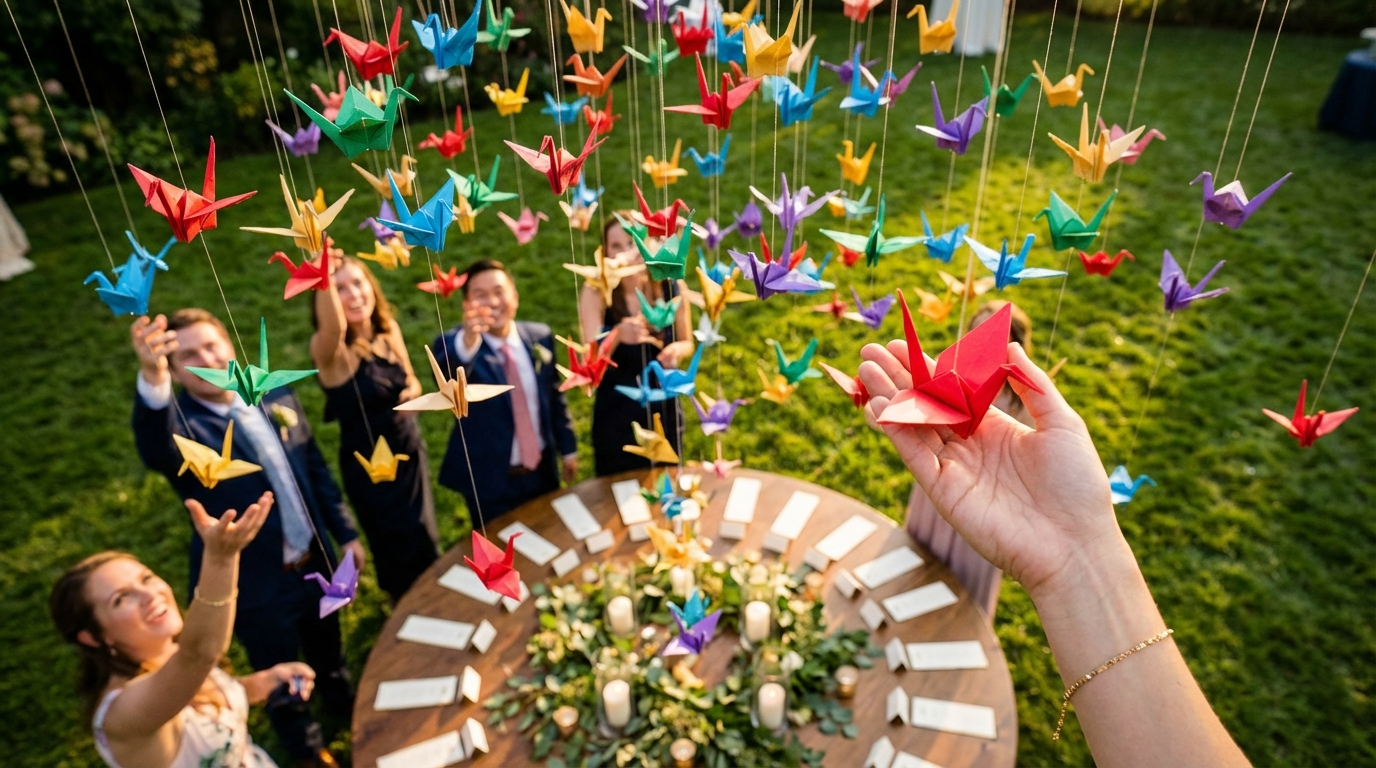
One popular option is to use escort cards that double as favors. For example, you could attach a small succulent to each card or include a personalized message. This not only helps guests find their seats but also provides them with a memorable keepsake to take home.
Another idea is to create a seating chart display that encourages interaction. You could set up a photo booth next to the seating chart and ask guests to take a picture with their escort card before finding their table. Or, you could include a guest book where guests can leave messages for the hosts or other attendees.
For a more high-tech approach, consider using a digital seating chart display with interactive features. Guests could use a touchscreen to find their table, view profiles of other attendees, or even participate in polls or quizzes related to the event.
Seating Strategies: Mixing and Matching Guests
One of the biggest challenges in creating a seating plan is deciding how to mix and match guests. You want to create an atmosphere where everyone feels comfortable and can enjoy themselves, even if they don't know everyone at their table.
Start by considering the relationships between your guests. Who knows each other well? Who shares common interests or backgrounds? Grouping these guests together can help spark conversation and create a sense of camaraderie.
However, don't be afraid to mix things up a bit. Seating guests who don't know each other can introduce them to new perspectives and create unexpected connections. Just be sure to seat them with people who have similar interests or personalities to ensure a comfortable experience.
Also, be mindful of potential conflicts or awkward pairings. Avoid seating ex-partners next to each other or placing guests with opposing political views at the same table. These situations can create tension and detract from the overall enjoyment of the event.
Free Seating Chart Templates
Need a little help getting started? SeatingChartCreator.com offers a variety of free seating chart templates to streamline the planning process. These templates can be customized to fit your specific event and theme.
Whether you're planning a wedding, a corporate event, or a birthday party, you'll find a template that suits your needs. Simply choose a template, enter your guest list, and start arranging your tables. You can easily adjust the layout, add or remove tables, and customize the design to match your event's aesthetic.
Using a template can save you time and effort, especially if you're not familiar with design software. It provides a starting point that you can then personalize to create a unique and memorable seating chart.
Seating Chart Examples: Round vs. Rectangular Tables
Choosing the right table shape can significantly impact the overall atmosphere of your event. Round tables and rectangular tables each have their own unique advantages and disadvantages. Here’s a comparison to help you decide which is best for your event:
Round Tables
- Pros:
- Foster better conversation among guests.
- Create a more intimate and inclusive atmosphere.
- Offer a classic and elegant look.
Rectangular Tables
- Cons:
- More space-efficient and can accommodate more guests in a smaller area.
- Create a more modern and streamlined aesthetic.
- Easier to arrange and decorate.
Ultimately, the best table shape for your event depends on your specific needs and preferences. Consider the size of your venue, the number of guests you're expecting, and the overall style you're trying to achieve.
Common Seating Chart Mistakes to Avoid
Even with the best planning, it's easy to make mistakes when creating your seating chart. Here are some common pitfalls to avoid:
- Separating Couples or Close Friends: This is a major faux pas! Always ensure that couples and close friends are seated together.
- Ignoring Dietary Restrictions or Allergies: Be sure to note any dietary restrictions or allergies and inform your venue or caterer.
- Neglecting Accessibility Needs: Ensure that guests with mobility issues are seated in accessible locations, close to entrances or restrooms.
- Forgetting About Family Dynamics: Be mindful of any potential conflicts within families and seat guests accordingly.
- Leaving Empty Seats at Tables: Try to fill all seats at each table to avoid awkward gaps.
Expert Tips for a Stress-Free Seating Chart Experience
Creating a seating chart can be stressful, but it doesn't have to be. Here are some expert tips to help you navigate the process with ease:
- Start Early: Don't wait until the last minute to start planning your seating chart. Give yourself plenty of time to gather information, brainstorm ideas, and make adjustments.
- Get Input from Others: Ask for feedback from trusted friends or family members. They may have valuable insights or suggestions that you haven't considered.
- Be Flexible: Be prepared to make changes to your seating chart as needed. Last-minute cancellations or additions are common, so it's important to be adaptable.
- Use Technology: Take advantage of online tools like SeatingChartCreator.com to simplify the planning process. These tools can help you visualize your seating chart, track guest information, and make adjustments easily.
Frequently Asked Questions
It's best to start working on your seating chart as soon as you have a confirmed guest list and a venue layout. Aim to finalize it at least 2-3 weeks before your event to allow time for any last-minute changes or adjustments. This also gives you ample time to create and print escort cards or a seating chart display.
Get Event Planning Tips
Weekly tips on seating arrangements, event layouts, and planning strategies.
SeatingChart Team
Our team of event planning experts is dedicated to helping you create unforgettable events with perfect seating arrangements.
Ready to Create Your Seating Chart?
Start planning your perfect event layout with our free drag-and-drop seating chart creator. No sign-up required to try it out!
Try Free Seating Chart Creator