Why Your banquet seating arrangements Is Failing (And How to Fix It)
Planning a successful banquet involves countless moving parts. From the menu selection to the venue decor, every detail contributes to the overall experience. However, one aspect that often gets overlooked, yet can significantly impact your event's success, is the banquet seating arrangements. A poorly planned seating chart can lead to awkward interactions, isolated guests, and an overall less enjoyable atmosphere. But don't worry! This guide will help you understand the common pitfalls of banquet seating and provide actionable strategies to create a seating plan that fosters connection and ensures a memorable event.
Key Takeaways
- Careful banquet seating arrangements are crucial for guest experience.
- Consider guest relationships, interests, and personalities when creating your seating chart.
- Utilize tools like SeatingChartCreator.com to simplify the process.
- Avoid common mistakes like isolating guests or ignoring dietary needs.
- Communicate seating arrangements clearly to both guests and venue staff.
Why Banquet Seating Arrangements Matter More Than You Think
You might be thinking, "It's just seating, right? How much of a difference can it really make?" The truth is, your banquet seating arrangements can significantly influence the social dynamic of your event. Think about it: guests spend a considerable amount of time at their tables. A well-thought-out seating plan can spark engaging conversations, create new friendships, and enhance the overall enjoyment of the evening. Conversely, a haphazard arrangement can lead to awkward silences, feelings of isolation, and a less-than-stellar experience for your attendees.
Design Your Perfect Seating Chart
Free drag-and-drop seating chart creator for weddings, events, and venues. Export professional PDFs in minutes.
Create Free Seating ChartEffective table arrangement is about more than just filling seats. It's about strategically placing guests together to maximize positive interactions. Consider the different types of relationships your guests have with one another. Are there groups of friends or family members who should be seated together? Are there individuals who might benefit from meeting each other based on shared interests or professional connections? These are the types of questions you should be asking yourself as you begin to plan your seating chart.
Moreover, thoughtful table planning demonstrates that you care about your guests' comfort and enjoyment. It shows that you've put in the effort to create an environment where everyone feels welcome and included. This attention to detail can elevate your banquet from a simple gathering to a truly memorable occasion. Don't underestimate the power of a well-executed seating plan to create a positive and engaging atmosphere.
The Psychology Behind Successful Seating Plans
Believe it or not, there's a science to perfect seating arrangements. Understanding basic principles of social psychology can help you create a seating plan that fosters connection and encourages interaction among your guests. One key concept is the idea of proximity. People who are seated close to each other are more likely to interact and form relationships. This is why it's important to strategically place guests who you think might enjoy each other's company at the same table.
Another important factor to consider is the concept of homophily, which is the tendency for people to connect with others who are similar to them. This doesn't necessarily mean seating people with identical backgrounds or interests, but rather grouping individuals who share common values, communication styles, or perspectives. This can help create a sense of comfort and familiarity, making it easier for guests to engage in meaningful conversations.
Furthermore, be mindful of potential social dynamics within your groups. Are there any individuals who might dominate the conversation or inadvertently exclude others? If so, consider seating them with guests who are more assertive or outgoing, who can help balance the dynamic and ensure that everyone has a chance to participate. By understanding these basic principles of social psychology, you can create a strategic seating plan that promotes positive interactions and enhances the overall experience for your guests.
Step-by-Step Guide to Creating the Perfect Banquet Seating Arrangements
Ready to get started on your banquet seating arrangements? Follow these steps to create a plan that's both practical and promotes a positive social atmosphere:
Gather Your Guest List and RSVPs
Before you can start planning your seating, you need a confirmed guest list. Ensure you have accurate RSVP information, including any dietary restrictions or special needs that guests may have. This information is crucial for making informed seating decisions.
Analyze Your Guest Relationships
Take the time to understand the relationships between your guests. Identify family groups, close friends, and individuals who share common interests or professional connections. Note any potential conflicts or personality clashes that you should be aware of.
Determine Table Sizes and Layout
Work with your venue to determine the available table sizes and the overall layout of the room. Consider the number of guests you need to accommodate and choose table sizes that will allow for comfortable seating and easy conversation. Round tables generally encourage more interaction than rectangular tables.
Start Assigning Guests to Tables
Begin by placing guests who you know will get along well together. Start with family groups and close friends, and then move on to individuals who share common interests or professional connections. Strive for a mix of personalities at each table to create a dynamic and engaging atmosphere.
Review and Refine Your Seating Chart
Once you've created an initial seating chart, take a step back and review it carefully. Are there any potential issues or imbalances? Are there any individuals who might feel isolated or uncomfortable? Make adjustments as needed to ensure that everyone is seated in a way that promotes a positive experience. Use SeatingChartCreator.com to easily drag and drop guests to different tables until you find the perfect arrangement.
Communicate Your Seating Arrangements
Clearly communicate your seating arrangements to both your guests and the venue staff. Provide escort cards or a seating chart at the entrance to the banquet hall, and ensure that the venue staff is aware of any special seating requirements or dietary restrictions. This will help ensure a smooth and seamless experience for everyone involved.
Leveraging SeatingChartCreator.com for Stress-Free Planning
Creating perfect seating charts can be overwhelming, especially for large banquets. That's where a tool like SeatingChartCreator.com comes in handy. This free online platform simplifies the entire process, allowing you to create, visualize, and manage your seating arrangements with ease. The intuitive drag-and-drop interface makes it simple to assign guests to tables, experiment with different configurations, and make adjustments as needed. No more struggling with spreadsheets or hand-drawn diagrams!
One of the key benefits of using SeatingChartCreator.com is its visual representation of your seating plan. You can easily see the layout of the room, the placement of each table, and the assigned guests. This allows you to identify any potential issues or imbalances before they become a problem. For example, you might notice that one table is dominated by a particular group of friends, while another table is filled with individuals who don't know each other well. With SeatingChartCreator.com, you can quickly and easily adjust the seating to create a more balanced and engaging atmosphere.
Furthermore, SeatingChartCreator.com offers a range of features to streamline your planning process. You can import your guest list directly from a spreadsheet, add notes about dietary restrictions or special needs, and generate printable seating charts and escort cards. The platform also allows you to collaborate with other members of your planning team, making it easy to share your seating chart and gather feedback. With SeatingChartCreator.com, you can take the stress out of building seating charts and focus on creating a memorable event for your guests. And the best part? It's completely free to use!
Banquet Seating Arrangements: Round Tables vs. Rectangular Tables
The shape of your tables can have a significant impact on the social dynamics of your banquet. Round tables and rectangular tables each have their own advantages and disadvantages, and the best choice for your event will depend on your specific needs and preferences. Here's a comparison to help you decide:
Round Tables
- Pros: Better for conversation, encourage interaction among all guests at the table, create a more intimate and inclusive atmosphere, classic and elegant look.
- Cons: Can take up more space than rectangular tables, may not be ideal for large groups, can sometimes feel less formal.
Rectangular Tables
- Pros: More space-efficient, can accommodate larger groups, create a more formal and structured look, easier to arrange in long rows.
- Cons: Can make it difficult for guests at opposite ends of the table to interact, may not be as conducive to conversation as round tables, can sometimes feel less personal.
Ultimately, the best choice for your table arrangement will depend on the size of your venue, the number of guests you need to accommodate, and the overall atmosphere you're trying to create. If you prioritize conversation and interaction, round tables are generally a better choice. If you need to maximize space and create a more formal look, rectangular tables may be more suitable. You can even mix and match table shapes to create a visually interesting and functional layout.
Tips and Strategies for Guest Grouping Success
Creating effective banquet seating arrangements isn't just about assigning people to tables; it's about strategically grouping guests to maximize positive interactions. Here are some tips and strategies to help you achieve grouping success:
- Consider Guest Relationships: Start by identifying existing relationships between your guests. Seat family members, close friends, and colleagues together to create a sense of comfort and familiarity.
- Mix and Match Personalities: While it's important to seat people with common interests together, don't be afraid to mix and match personalities. Introduce outgoing individuals to those who are more reserved to encourage conversation and interaction.
- Strategic Placement of Key Guests: If you have any VIP guests or speakers, strategically place them at tables with individuals who are likely to engage with them and appreciate their presence.
- Be Mindful of Dietary Restrictions and Special Needs: Ensure that guests with dietary restrictions or special needs are seated in a location that is convenient for them and that their needs are properly addressed.
- Don't Be Afraid to Break the Rules: While these tips are helpful, don't be afraid to break the rules if it makes sense for your specific event. Trust your intuition and make decisions that you believe will create the best possible experience for your guests.
Banquet Seating Templates: Finding the Right Fit
Sometimes, seeing examples of different banquet seating arrangement templates can spark inspiration and help you visualize your own event. Here are a few common templates to consider:
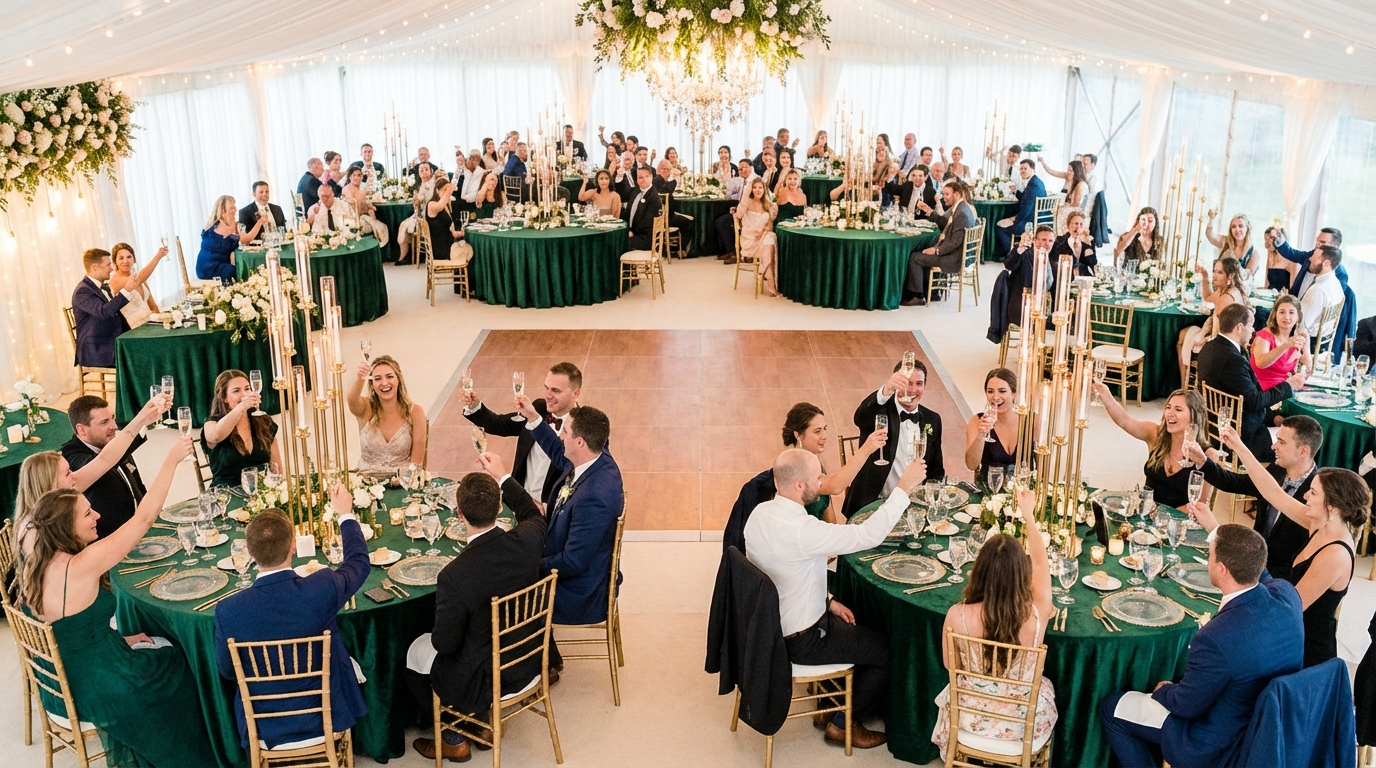
- The Classic Round Table: This template features round tables seating 8-10 guests each. It's ideal for fostering conversation and creating an intimate atmosphere.
- The Long Rectangular Table: This template utilizes long rectangular tables to accommodate larger groups. It's best suited for formal events where space is a concern.
- The U-Shaped Layout: This template arranges tables in a U-shape, facing a central focal point. It's often used for presentations or events where interaction with a speaker is important.
- The Herringbone Pattern: This template alternates rows of round and rectangular tables, creating a visually interesting and functional layout. It's a good option for events with a diverse guest list and a desire for both conversation and formality.
Remember, these are just templates, and you can customize them to fit your specific needs and preferences. Consider the size of your venue, the number of guests you need to accommodate, and the overall atmosphere you're trying to create when choosing a template. Don't be afraid to experiment with different layouts and configurations until you find the perfect fit for your event.
Common Mistakes to Avoid in Your Banquet Seating Arrangements
Even with careful planning, it's easy to make mistakes when creating your banquet seating arrangements. Here are some common pitfalls to avoid:
- Isolating Guests: Avoid seating guests who don't know anyone else at a table. This can lead to feelings of isolation and discomfort. Always try to pair guests with at least one or two people they know or are likely to connect with.
- Ignoring Dietary Restrictions: Failing to accommodate dietary restrictions or allergies can be a major faux pas. Be sure to collect information about any special needs and communicate them clearly to the venue staff.
- Forgetting About Sightlines: Ensure that all guests have a clear view of the stage or focal point. Obstructions like pillars or tall centerpieces can detract from the experience.
- Overcrowding Tables: Don't try to squeeze too many guests around a single table. This can make it difficult for people to move around and create a cramped and uncomfortable atmosphere.
Expert Tips for Flawless Banquet Seating Arrangements
Want to take your table planning to the next level? Here are some expert tips for creating truly flawless seating arrangements:
- Consider the Flow of the Room: Think about how guests will move around the room and position tables accordingly. Avoid creating bottlenecks or areas that are difficult to navigate.
- Use Centerpieces Strategically: Choose centerpieces that are visually appealing but don't obstruct sightlines or hinder conversation.
- Pay Attention to Lighting: Lighting can significantly impact the atmosphere of your banquet. Use lighting to highlight key areas and create a warm and inviting ambiance.
- Communicate with Your Venue: Work closely with your venue staff to ensure that your seating arrangements are properly executed. Provide them with a detailed seating chart and any special instructions.
By following these expert tips, you can create seating arrangements that are not only functional but also contribute to the overall success and enjoyment of your banquet.
Frequently Asked Questions
Ideally, you should finalize your seating chart at least one to two weeks before the event. This allows you to confirm with the venue, print place cards, and address any last-minute changes or cancellations. Waiting until the last minute can lead to unnecessary stress and potential errors.
Get Event Planning Tips
Weekly tips on seating arrangements, event layouts, and planning strategies.
SeatingChart Team
Our team of event planning experts is dedicated to helping you create unforgettable events with perfect seating arrangements.
Ready to Create Your Seating Chart?
Start planning your perfect event layout with our free drag-and-drop seating chart creator. No sign-up required to try it out!
Try Free Seating Chart Creator