Planning an event can feel like juggling a million tasks at once. From choosing the perfect venue to crafting a delicious menu, every detail matters. But one aspect that often gets overlooked until the last minute is the event seating layout. A well-thought-out seating arrangement can make or break your event, influencing guest interaction, comfort, and overall enjoyment. Get it right, and you'll have a buzzing room filled with happy attendees. Get it wrong, and you risk awkward silences and disconnected groups. So, how do you create an ideal table arrangement that fosters connection and enhances the atmosphere? This guide will walk you through the essential steps, offering expert tips and strategies to help you master the art of event seating planning.
Key Takeaways
- A well-planned seating chart enhances guest interaction and overall event atmosphere.
- Consider guest relationships, event type, and venue layout when designing your seating plan.
- Utilize online tools like SeatingChartCreator.com to simplify the seating arrangement process.
- Avoid common mistakes like separating groups or placing guests near distractions.
- Always have a backup plan to accommodate last-minute changes or unexpected arrivals.
Why Your Event Seating Layout Matters More Than You Think
You might think, "It's just seats, right?" Wrong! Your event seating layout is a powerful tool that shapes the entire event experience. It's about more than just assigning people to chairs; it's about strategically fostering connections and creating the right atmosphere. Think of it as orchestrating a social symphony where each guest plays a vital role.
Design Your Perfect Seating Chart
Free drag-and-drop seating chart creator for weddings, events, and venues. Export professional PDFs in minutes.
Create Free Seating ChartA thoughtfully designed table arrangement can encourage conversation, spark new friendships, and ensure everyone feels comfortable and included. It can also prevent awkward situations, such as placing feuding family members next to each other. Moreover, the seating plan contributes to the overall flow and functionality of the event space. Efficiently arranging tables and chairs ensures guests can move around easily and access amenities without obstruction.
Consider a wedding reception. The seating chart can strategically place singles together, keep families close, and ensure VIP guests have prime seating. Or, imagine a corporate conference where seating is arranged to promote networking and collaboration among attendees from different departments. In both scenarios, the seating layout directly influences the success of the event.
Key Considerations Before You Start Planning Your Seating Chart
Before you dive into creating your event seating plan, you need to gather some crucial information. This preliminary work will save you time and frustration in the long run and ensure your table arrangement is a success. Here are the key factors to consider:
1. Guest List and Relationships
The foundation of any successful seating chart is a clear understanding of your guest list. Who are they? How do they know each other? Are there any pre-existing relationships, both positive and negative, that you need to consider? This is where knowing your guests personally comes in handy. If you're planning a wedding, talk to the couple and get their insights on guest dynamics. For corporate events, liaise with HR or team leaders to understand employee relationships.
2. Event Type and Atmosphere
The type of event will significantly influence your seating layout. A formal wedding requires a different approach than a casual corporate picnic. Consider the desired atmosphere. Do you want a lively, interactive environment or a more subdued and intimate setting? This will dictate the type of tables you choose (round vs. rectangular), the spacing between them, and the overall arrangement.
3. Venue Layout and Space Constraints
The venue itself will impose certain limitations on your seating plan. Obtain a detailed floor plan of the space, including dimensions, locations of doors, windows, and any fixed structures like pillars or fireplaces. Consider the flow of traffic. How will guests move from the entrance to the bar, buffet, or dance floor? Ensure your seating arrangement doesn't create bottlenecks or obstruct pathways.
4. Special Needs and Accessibility
Don't forget to accommodate guests with special needs. This includes wheelchair accessibility, hearing impairments, and any other physical limitations. Ensure there are accessible routes to tables and that guests with hearing impairments are seated closer to the speakers. Also, consider dietary restrictions when placing guests near buffet tables.
How to Choose the Right Table Shapes and Sizes for Your Event
The shape and size of your tables play a crucial role in the overall event seating layout and the atmosphere you create. Each option offers distinct advantages and disadvantages, so choosing wisely is essential.
Round Tables
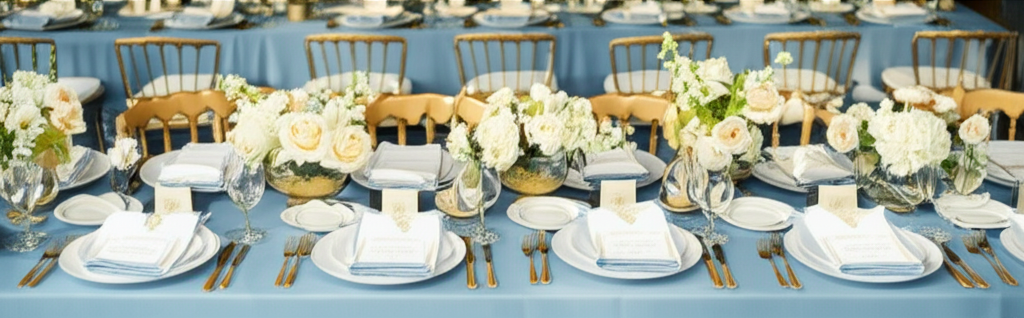
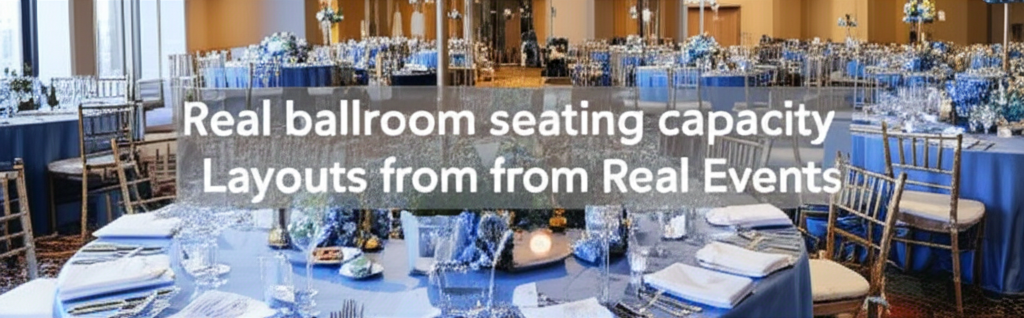
Round tables are a classic choice for weddings and formal events. They foster conversation because everyone at the table can easily see and interact with each other. A standard 60-inch round table comfortably seats 8-10 guests. However, round tables can take up more space than rectangular tables, so consider this when planning your seating arrangement in a smaller venue.
Rectangular Tables
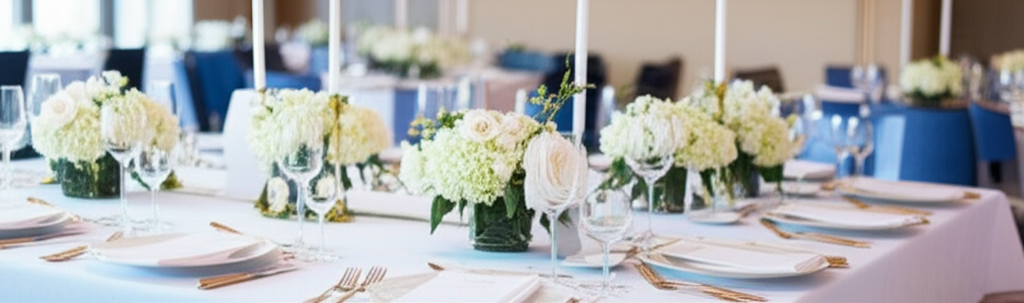
Rectangular tables are a more space-efficient option, particularly for long, narrow venues. They're also a popular choice for modern and minimalist events. Rectangular tables can be arranged in various configurations, such as long banquet-style setups or smaller, individual tables. They're ideal for creating a sense of community and encouraging interaction within smaller groups. However, conversation across the table can be challenging.
Square Tables
Square tables offer a balance between round and rectangular tables. They promote intimacy and conversation among a smaller group of guests, typically 4-8 people. Square tables work well for smaller events or as accent tables in larger venues. They can also be easily combined to create larger seating areas.
Other Table Shapes
Don't be afraid to get creative with your table shapes! Oval tables offer a more elegant and sophisticated look, while crescent tables can create a unique and visually appealing seating layout. High-top tables are perfect for cocktail receptions or informal gatherings, encouraging mingling and movement.
Step-by-Step Guide to Creating Your Event Seating Chart
Now that you've gathered the necessary information and chosen your table shapes, it's time to create your event seating chart. This step-by-step guide will walk you through the process, making it as smooth and stress-free as possible.
Sketch Out Your Venue Layout
Start by creating a rough sketch of your venue, including the location of doors, windows, stage, dance floor, and any other fixed elements. This will give you a visual representation of the space and help you determine the best placement for your tables.
Determine Table Placement
Based on your venue layout and the type of tables you've chosen, start placing tables in your sketch. Consider the flow of traffic and ensure there's enough space between tables for guests to move around comfortably. Don't forget to account for space for servers to navigate.
Assign Guests to Tables
Now comes the most crucial part: assigning guests to tables. Start with your VIP guests and ensure they have prime seating. Then, consider guest relationships and group people together who know each other or have common interests. Avoid separating couples or placing guests near distractions.
Finalize and Share Your Seating Chart
Once you're happy with your seating plan, finalize it and share it with your venue coordinator or event planner. You'll also need to create a physical seating chart for guests to consult upon arrival. You can use a large display board or individual escort cards.
Using Seating Chart Templates to Save Time and Effort
Creating an event seating chart from scratch can be time-consuming, especially if you're not sure where to start. That's where seating chart templates come in handy. These pre-designed layouts offer a starting point for your seating plan, saving you time and effort.
SeatingChartCreator.com offers a variety of free seating chart templates for different event types and venue sizes. Whether you're planning a wedding, corporate event, or birthday party, you'll find a template that suits your needs. Simply choose a template, customize it with your guest names and table assignments, and you're ready to go. Free Templates are Ready To Use!
Using a template can also help you visualize different seating arrangements and experiment with various configurations. It's a great way to see how your guests will be seated and ensure everyone is comfortable and has a good view of the event.
Before You Start
- Get final guest count confirmed
- Request venue floor plan dimensions
- Identify VIP guests and special needs
Tips and Strategies for Creating the Perfect Seating Arrangement
Creating a successful event seating layout is more than just assigning names to tables. It requires a strategic approach that considers guest dynamics, event flow, and overall atmosphere. Here are some tips and strategies to help you create the perfect seating arrangement:
1. Group Guests with Common Interests
One of the best ways to ensure guests have a good time is to seat them with people who share common interests. This could be friends, family members, colleagues, or even people who share the same hobbies or professions. When grouping guests, consider their personalities and ensure they'll get along well.
2. Mix and Mingle
Don't be afraid to mix and mingle different groups of guests. This can be a great way to spark new friendships and create a more dynamic atmosphere. However, be mindful of potential conflicts and avoid placing people together who are known to clash.
3. Strategic Placement of Singles
If you have single guests attending your event, consider placing them strategically near other singles or with people who are outgoing and welcoming. This can increase their chances of meeting someone new and having a memorable time.
4. Consider the View
When assigning seats, consider the view from each table. Ensure that VIP guests have prime seating with a clear view of the stage or focal point. Also, avoid placing guests with visual impairments in the back of the room.
Event Seating Layout Examples and Inspirations
Sometimes, the best way to understand how to create a great event seating layout is to see examples of successful arrangements. Here are a few examples to inspire you:
Wedding Reception
- Head table for the wedding party
- Family tables close to the head table
- Singles strategically placed near each other
- Tables arranged to maximize dance floor space
Corporate Conference
- Round tables to encourage networking
- VIP tables near the stage
- Tables grouped by department or team
- Designated quiet areas for breaks
These are just a few examples, and the best seating arrangement for your event will depend on your specific needs and goals. However, these examples can provide a starting point for brainstorming and help you visualize different possibilities.
Common Mistakes to Avoid When Planning Your Event Seating Layout
Even with careful planning, it's easy to make mistakes when creating your event seating layout. Here are some common pitfalls to avoid:
- Separating Couples: This is a major faux pas and can cause unnecessary discomfort. Always seat couples together unless they specifically request otherwise.
- Placing Guests Near Distractions: Avoid seating guests near noisy areas like the kitchen, bar, or speakers. This can make it difficult for them to hear and participate in conversations.
- Ignoring Special Needs: Failing to accommodate guests with special needs is not only inconsiderate but can also be discriminatory. Always ensure your seating arrangement is accessible and inclusive.
- Forgetting About the Flow of Traffic: Make sure your seating layout doesn't create bottlenecks or obstruct pathways. Guests should be able to move around easily and access amenities without difficulty.
Expert Tips and Pro Advice for Event Seating Success
To truly master the art of event seating planning, consider these expert tips and pro advice:
- Communicate with Your Venue: Work closely with your venue coordinator to ensure your seating layout complies with fire codes and other regulations. They can also offer valuable insights and suggestions based on their experience.
- Use Visual Aids: Create a visual representation of your seating chart, such as a floor plan or 3D model. This will help you visualize the space and identify any potential problems.
- Get Feedback: Don't be afraid to ask for feedback from friends, family members, or colleagues. They may notice things you've overlooked and offer valuable suggestions.
- Trust Your Gut: Ultimately, the best seating arrangement is one that feels right for you and your event. Trust your instincts and create a plan that reflects your vision.
Frequently Asked Questions
Ideally, you should start working on your event seating chart as soon as you have a confirmed guest list, which is typically 2-4 weeks before the event. This gives you ample time to consider guest relationships, venue layout, and other factors. Avoid waiting until the last minute, as this can lead to rushed decisions and potential mistakes.
Get Event Planning Tips
Weekly tips on seating arrangements, event layouts, and planning strategies.
SeatingChart Team
Our team of event planning experts is dedicated to helping you create unforgettable events with perfect seating arrangements.
Ready to Create Your Seating Chart?
Start planning your perfect event layout with our free drag-and-drop seating chart creator. No sign-up required to try it out!
Try Free Seating Chart Creator