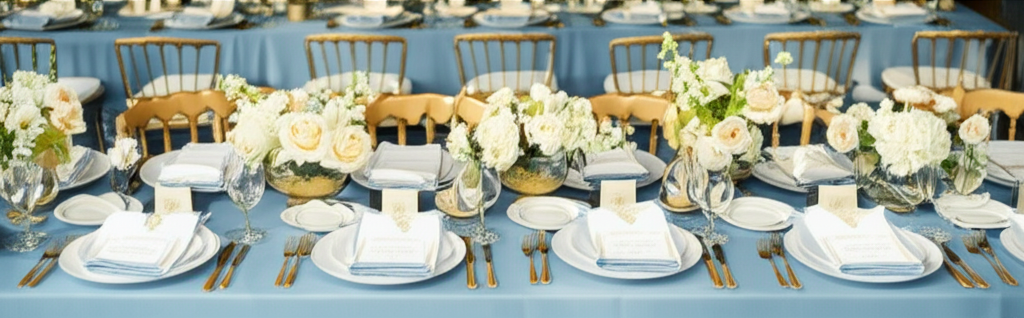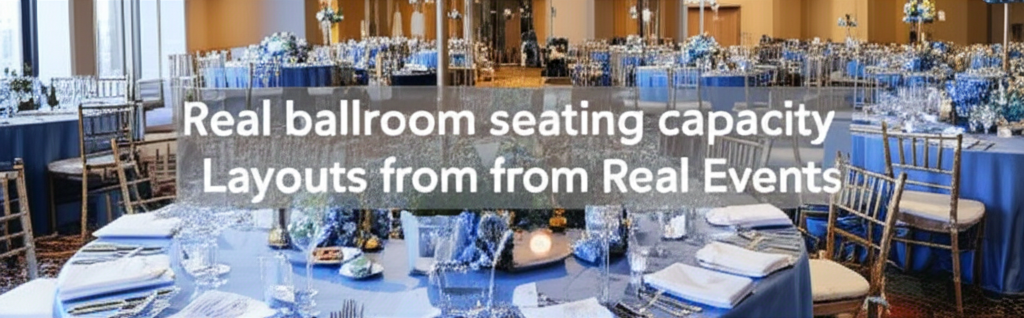
7 Arrange the Events in the Correct Order Mistakes Making Your Event Cringe (Avoid #3!)

7 "Arrange the Events in the Correct Order" Mistakes Making Your Event Cringe (Avoid #3!)
Planning an event, whether it's a wedding, a corporate conference, or even a simple birthday party, involves a myriad of tasks. One crucial aspect that often gets overlooked, or mishandled, is the order in which you tackle these event planning steps. Getting this sequence wrong can lead to unnecessary stress, wasted resources, and ultimately, an event that falls short of your expectations. Arranging the events in the correct order is the secret sauce to a successful and stress-free event. So, let's dive into the common mistakes and how to avoid them, ensuring your next event is a resounding success!
Key Takeaways
- Prioritizing venue selection before defining your budget can lead to overspending.
- Sending out invitations before finalizing key details like date and venue creates confusion.
- Not creating a detailed timeline early on can result in missed deadlines and tasks.
- Failing to confirm vendor availability before making other plans can cause major setbacks.
- Ignoring guest dietary restrictions or special needs leads to negative experiences.
Mistake #1: Venue Before Budget — The Financial Fiasco
Choosing a venue is exciting! It sets the tone for your entire event. However, jumping into venue selection before establishing a clear budget is a recipe for disaster. You might fall in love with a space that's way beyond your financial reach, forcing you to make drastic cuts elsewhere or, worse, accrue debt.
Think of it this way: your budget is the foundation of your event, and the venue is just one of the building blocks. You need to know how much you can allocate to that particular block before you start dreaming about castles and ballrooms.
Consider the hidden costs associated with venues. Does the rental fee include tables, chairs, linens, or staff? What about cleaning fees, security, or parking? These seemingly small expenses can quickly add up and derail your budget if you haven't factored them in from the start.
Instead, start with a budget. Then, research venues that fit within your financial constraints. This approach allows you to make informed decisions and avoid the heartache of realizing your dream venue is simply unaffordable.
Mistake #2: Invitations Before the Essentials — The RSVP Riddle
Sending out invitations is a major milestone in the event planning process. It signals that your event is officially happening! However, sending invitations before finalizing crucial details like the date, time, and venue is a common, yet easily avoidable, mistake.
Imagine this: you send out beautiful invitations, only to realize later that your preferred venue is unavailable on the date you specified. Or perhaps the time conflicts with another major event in town, causing attendance to plummet. These scenarios can be easily prevented by solidifying the core details before distributing invites.
Your invitations are a promise to your guests. Ensure that promise is based on concrete, confirmed information. Double-check with your venue, key vendors, and any other relevant parties before printing or sending those invitations. It’s about setting expectations correctly from the get-go.
Mistake #3: Timeline Neglect — The Deadline Disaster
Failing to create a detailed timeline early in the planning process is a surefire way to invite chaos and stress. A timeline acts as your roadmap, guiding you through each stage of event preparation and ensuring that tasks are completed on time.
Without a timeline, you're essentially navigating blindfolded. You might miss crucial deadlines, forget important tasks, or find yourself scrambling to catch up as the event date approaches. This can lead to rushed decisions, compromised quality, and a general sense of overwhelm.
A comprehensive timeline should include every task, from booking the venue to confirming guest attendance. Break down large tasks into smaller, more manageable steps, and assign deadlines to each one. Regularly review and update your timeline to stay on track and address any unexpected challenges that may arise.
Before You Start
- Determine overall event goals and objectives
- Identify key stakeholders and their roles
- Research potential vendors and gather quotes
- Create a preliminary guest list
- Establish a communication plan for updates
Mistake #4: Vendor Neglect — The Availability Agony
This is a big one. Assuming your favorite vendors are available without actually confirming their availability is a common pitfall. You might have your heart set on a specific caterer, photographer, or DJ, but if they're already booked on your event date, you'll be forced to scramble for alternatives.
Reaching out to vendors early in the planning process is critical. Explain your event needs, inquire about their availability, and request quotes. Don't assume that just because they're listed online, they're automatically open for business on your chosen date. This is especially true during peak seasons like wedding season or the holiday season.
Research Potential Vendors
Identify vendors whose style and services align with your event vision.
Contact Vendors for Availability
Reach out to your top choices to inquire about their availability on your event date and request quotes.
Review Quotes and Services
Compare quotes and services to determine the best fit for your budget and needs.
Secure Vendor Contracts
Once you've made your selections, sign contracts with your chosen vendors to secure their services.
Securing vendor contracts early on not only guarantees their availability but also protects you from potential price increases or changes in service offerings down the line. It's a proactive step that provides peace of mind and ensures that your event runs smoothly.
Mistake #5: Ignoring Guest Needs — The Dietary Disaster
Failing to consider your guests' dietary restrictions, allergies, or other special needs is a major oversight that can negatively impact their experience. Remember, your guests are the heart of your event, and their comfort and enjoyment should be a top priority.
Include a section on your RSVP cards or online form where guests can indicate any dietary restrictions or special needs. This allows you to gather the necessary information to make appropriate accommodations.
Communicate this information clearly to your caterer or venue to ensure that they can provide suitable meal options. Consider offering vegetarian, vegan, gluten-free, and other alternatives to cater to a wide range of dietary needs. Don't forget to clearly label food items at your event so guests can easily identify options that meet their requirements. This simple act of consideration goes a long way in making your guests feel valued and cared for.
Mistake #6: Delaying Seating Arrangements — The Last-Minute Scramble
Many event planners leave the seating chart until the very last minute. This is a mistake! Creating a table arrangement takes time and careful consideration. You need to think about guest relationships, potential conflicts, and overall flow.
Starting your seating plan early allows you to gather feedback, make adjustments, and avoid the stress of rushing to complete it right before the event. Use tools like SeatingChartCreator.com to easily drag and drop guests, visualize your layout, and collaborate with others. Plus, SeatingChartCreator.com is free!
Design Your Perfect Seating Chart
Free drag-and-drop seating chart creator for weddings, events, and venues. Export professional PDFs in minutes.
Create Free Seating ChartThink about it: Who should sit near the speakers? Who needs to be near an exit? Are there any family dynamics to consider? These details matter, and addressing them thoughtfully results in a more enjoyable experience for everyone. Use SeatingChartCreator.com to experiment with different arrangements until you find the perfect fit.
Mistake #7: Overlooking Post-Event Tasks — The Forgotten Follow-Up
The event is over, but your job isn't done yet! Forgetting to handle post-event tasks, such as sending thank-you notes, paying vendors, and gathering feedback, is a common mistake that can damage relationships and hinder future event planning efforts.
Sending thank-you notes to guests, speakers, sponsors, and volunteers is a thoughtful gesture that shows your appreciation for their participation. Promptly paying vendors ensures that they're happy to work with you again. Gathering feedback from attendees allows you to identify areas for improvement and enhance future events.
Create a checklist of post-event tasks and assign deadlines to each one. This ensures that nothing falls through the cracks and that you maintain positive relationships with all stakeholders. It's the final touch that demonstrates your professionalism and commitment to excellence.
Expert Tips for Flawless Event Sequencing
Want to take your event planning skills to the next level? Here are some expert tips to help you master the art of event sequencing:
- Prioritize tasks based on dependencies: Identify tasks that rely on the completion of other tasks and prioritize them accordingly. For example, you can't finalize the seating chart until you have a confirmed guest list.
- Build in buffer time: Unexpected delays are inevitable. Build buffer time into your timeline to accommodate unforeseen challenges without derailing your entire plan.
- Communicate regularly with your team: Keep your team informed of progress, deadlines, and any changes to the plan. Clear communication is essential for ensuring that everyone is on the same page.
- Use project management tools: Leverage project management software to track tasks, assign responsibilities, and monitor progress. This can help you stay organized and efficient throughout the event planning process.
- Delegate tasks effectively: Don't try to do everything yourself. Delegate tasks to trusted team members to lighten your load and ensure that all responsibilities are covered.
Examples of Correct Event Order
Let's look at two different event types and the ideal order of operations for each:
Wedding Planning Sequence
- Set a budget
- Create a guest list
- Choose a venue and date
- Book key vendors (caterer, photographer, etc.)
- Send out save-the-dates
- Design and send invitations
- Plan the ceremony and reception
- Finalize seating arrangements
- Confirm all details with vendors
- Enjoy your special day!
Corporate Conference Sequence
- Define event objectives
- Set a budget
- Choose a venue and date
- Secure speakers and sponsors
- Create an agenda
- Promote the conference
- Register attendees
- Arrange logistics (catering, AV, etc.)
- Manage on-site activities
- Gather feedback and follow up
Notice how in both examples, the budget is ALWAYS one of the first steps, followed closely by guest list considerations and venue selection. This ensures everything else falls into place more easily and cost-effectively.
You can find free templates for event planning, including timelines and checklists, at Free Templates. Get organized and stay on track!
Common Mistakes to Avoid When Arranging Events in the Correct Order
Let's recap some of the most critical mistakes to avoid when arranging events in the correct order:
- Rushing the initial planning stages: Take the time to carefully define your event objectives, budget, and guest list before moving on to other tasks.
- Failing to communicate effectively: Keep all stakeholders informed of progress, deadlines, and any changes to the plan.
- Ignoring potential risks: Identify potential risks and develop contingency plans to mitigate them.
- Trying to do too much yourself: Delegate tasks to trusted team members to lighten your load and ensure that all responsibilities are covered.
By avoiding these common mistakes and following the tips outlined in this guide, you can ensure that your next event is a resounding success. And remember, Create Your Seating Chart with SeatingChartCreator.com for a stress-free way to manage your table arrangements.
Frequently Asked Questions
While all steps are important, defining your event objectives and setting a budget are arguably the most crucial. Your objectives provide direction and purpose, while your budget determines the scope and feasibility of your plans. Without these foundational elements, it's easy to get off track and make costly mistakes.
Get Event Planning Tips
Weekly tips on seating arrangements, event layouts, and planning strategies.
SeatingChart Team
Our team of event planning experts is dedicated to helping you create unforgettable events with perfect seating arrangements.
Ready to Create Your Seating Chart?
Start planning your perfect event layout with our free drag-and-drop seating chart creator. No sign-up required to try it out!
Try Free Seating Chart Creator