7 Event Space Disasters That Make Guests Cringe (Avoid #3)
Planning an event can feel like navigating a minefield. One wrong step with your event space and BOOM! Your guests are talking about the awkward seating arrangements or the cramped dance floor instead of how amazing your event was. The devil is in the details, and ensuring your venue is guest-friendly is key to a successful and memorable occasion. Don't let easily avoidable mistakes ruin your hard work. Let's explore some common event space disasters and, more importantly, how to dodge them.
Key Takeaways
- Poor seating arrangements can negatively impact guest experience and networking.
- Ignoring traffic flow can lead to congestion and frustration within the event space.
- Inadequate lighting and sound can detract from the overall ambiance and impact presentations.
- Failing to account for accessibility needs can exclude certain guests and create a negative impression.
- Using SeatingChartCreator.com can help you plan and visualize your seating arrangements effectively.
The Seating Snafu: Mismatched Guests
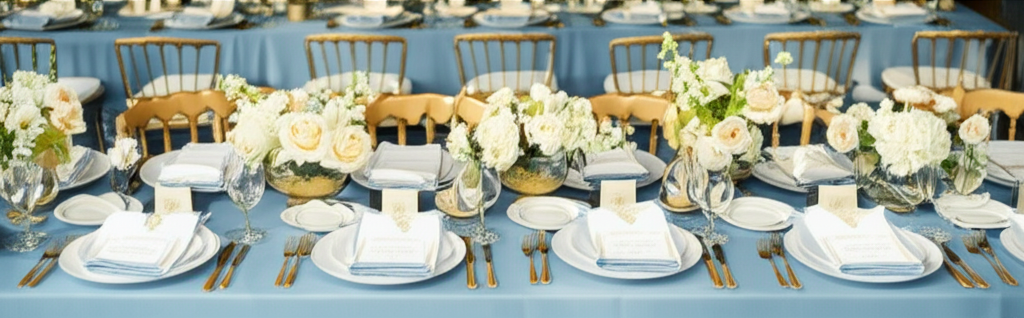
Imagine being stuck at a table with people you have absolutely nothing in common with. Awkward silences, forced smiles... it's an event space nightmare! Strategic seating is more than just filling chairs; it's about fostering connections and ensuring your guests feel comfortable. Proper table arrangement can make or break an event.
Design Your Perfect Seating Chart
Free drag-and-drop seating chart creator for weddings, events, and venues. Export professional PDFs in minutes.
Create Free Seating ChartThink about your guests' personalities, interests, and relationships. Are there colleagues who would benefit from networking? Family members who haven't seen each other in ages? Friends with shared hobbies? Use this knowledge to curate tables that spark conversation and create a positive atmosphere. Don't just alphabetize!
Consider using place cards to guide guests to their assigned seats. This removes any ambiguity and prevents the dreaded "seat scramble." For larger events, a clearly displayed seating chart near the entrance is essential. Guests should be able to quickly locate their table assignments without causing congestion.
Traffic Jam: Poor Flow and Congestion
Have you ever been to an event where you felt like you were constantly bumping into people? A poorly designed event space can lead to bottlenecks and congestion, making it difficult for guests to move around and enjoy themselves. Think about the flow of traffic and how people will navigate the space.
Ensure there's enough space between tables for guests to comfortably walk through. Pay attention to high-traffic areas such as the bar, buffet, and restrooms. These areas need to be easily accessible and free from obstructions. Consider the placement of furniture and decorations to avoid creating unnecessary obstacles.
If you're serving food, think about the layout of the buffet line. A single-sided buffet can quickly become congested. Consider a double-sided buffet or multiple serving stations to speed things up. Also, ensure there is adequate space for guests to stand and eat comfortably.
Lost in the Dark: Inadequate Lighting
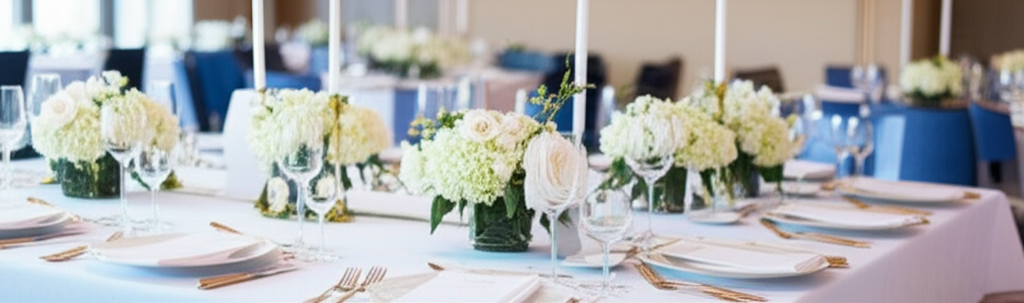
Lighting is crucial for setting the mood and creating the right ambiance in your event space. Dim, unflattering lighting can make guests feel tired and uncomfortable, while harsh, bright lighting can be overwhelming. Consider the type of event you're hosting and choose lighting that complements the atmosphere you want to create.
For a formal dinner, soft, warm lighting is ideal. Candles, dimmers, and strategically placed spotlights can add a touch of elegance. For a more casual event, brighter lighting may be appropriate. However, avoid harsh fluorescent lights, which can be unflattering and create glare.
Don't forget about natural light! If your event venue has windows, take advantage of them. Natural light can make a space feel more inviting and open. However, be mindful of glare and heat. Consider using curtains or blinds to control the amount of sunlight entering the room.
Can You Hear Me Now? Sound System Failures
A faulty sound system can derail even the most well-planned event. Whether it's a wedding speech, a corporate presentation, or a live band, clear and audible sound is essential. Invest in a professional sound system and ensure it's properly tested before the event begins. Nothing is worse than feedback screeching through the speakers.
Consider the acoustics of the event space. Large, empty rooms can create echoes and make it difficult to hear. Soft furnishings such as curtains and carpets can help to absorb sound and improve acoustics. Also, be mindful of background noise. Choose a venue that is relatively quiet or take steps to minimize noise pollution.
If you're having a live band or DJ, discuss sound levels in advance. Excessive volume can be uncomfortable for guests and can even damage hearing. Set clear expectations and ensure the sound system is properly calibrated to the size of the room.
Assess the Space
Walk through the event space with your audio technician. Identify potential acoustic challenges and optimal speaker placement.
Sound Check
Conduct a thorough sound check well before guests arrive. Test all microphones, speakers, and audio sources.
Monitor Levels
Designate someone to monitor sound levels throughout the event. Be prepared to make adjustments as needed to ensure optimal audibility and comfort.
Left Out: Ignoring Accessibility Needs
Failing to consider accessibility needs is not only insensitive but also potentially illegal. Ensure your event space is accessible to guests with disabilities. This includes providing ramps for wheelchairs, accessible restrooms, and clear signage. Overlooking these details can make guests feel excluded and uncomfortable.
Consider the needs of guests with visual or hearing impairments. Provide large-print materials and ensure there is adequate lighting for reading. If you're giving a presentation, provide closed captioning or sign language interpretation. Be mindful of dietary restrictions and allergies. Offer a variety of food options to accommodate different needs.
Communicate accessibility information clearly to your guests. Include details about accessible parking, entrances, and restrooms on your website and event invitations. Be prepared to answer questions and provide assistance as needed. Making your event inclusive will ensure that everyone feels welcome and valued.
Temperature Tantrums: Uncomfortable Climate Control
An event space that's too hot or too cold can quickly ruin the experience for your guests. Ensure the temperature is comfortable and consistent throughout the event. Check the HVAC system in advance and make sure it's working properly. Be prepared to make adjustments as needed to maintain a comfortable environment.
Consider the time of year and the weather conditions. If it's a hot day, ensure the air conditioning is turned on well in advance. If it's a cold day, make sure the heating system is functioning properly. Provide fans or heaters as needed to keep guests comfortable. Also, be mindful of humidity levels. High humidity can make a space feel stuffy and uncomfortable.
Have a plan B in case the HVAC system fails. This might involve moving the event to a different location or providing guests with blankets or fans. Being prepared for unexpected problems will help you to minimize disruptions and keep your guests happy.
Before You Book an Event Space
- Inspect the HVAC system and inquire about its maintenance schedule.
- Ask about the venue's backup plan in case of HVAC failure.
- Consider the typical weather conditions for the time of year.
The Empty Chair: No-Shows and Unbalanced Tables
Unexpected no-shows can throw off your carefully planned seating arrangements and leave awkward gaps at tables. While you can't control who attends, you can mitigate the impact of no-shows by padding your guest list and having a flexible seating plan. With that flexibility, make sure you’re not creating unbalanced tables.
Overestimate slightly when sending out invitations. A few extra guests are better than several empty seats. Monitor RSVPs closely and follow up with guests who haven't responded. Have a few backup seating options in mind in case of last-minute cancellations. Using a tool like SeatingChartCreator.com allows you to easily adjust your table arrangement in real-time.
If you do have no-shows, don't be afraid to rearrange the seating. Move guests around to fill empty seats and create more balanced tables. This will help to ensure that everyone has someone to talk to and that the atmosphere remains lively. You can even be upfront about it and ask guests if they prefer to be moved.
Planning the Perfect Event Space: A Step-by-Step Guide
Creating an amazing event space doesn't have to be stressful. By following a systematic approach, you can minimize the risk of disasters and ensure your guests have a memorable experience. Here's a step-by-step guide to help you plan the perfect event space:
Define Your Goals
What do you want to achieve with your event? Who is your target audience? What kind of atmosphere do you want to create? Answering these questions will help you to choose the right venue and plan the layout accordingly.
Choose the Right Venue
Consider the size, location, and amenities of the venue. Make sure it can accommodate your guest list and provide the necessary equipment and services. Visit the venue in person to get a feel for the space and identify any potential challenges.
Create a Floor Plan
Use a floor plan to visualize the layout of the event space. Experiment with different seating arrangements and traffic flow patterns. Pay attention to the placement of tables, chairs, and other furniture. Online tools like SeatingChartCreator.com can help you create and visualize your floor plan.
Plan Your Seating Arrangements
Consider your guests' personalities, interests, and relationships. Seat people together who are likely to enjoy each other's company. Use place cards to guide guests to their assigned seats.
Test Everything
Test the sound system, lighting, and HVAC system well in advance of the event. Make sure everything is working properly and that you know how to make adjustments as needed.
Be Prepared for the Unexpected
Have a plan B in case of unexpected problems such as bad weather, power outages, or no-shows. Being prepared will help you to minimize disruptions and keep your guests happy.
Round vs. Rectangular Tables: Which is Right for Your Event?
The shape of your tables can have a significant impact on the atmosphere of your event. Round tables are often preferred for social events, while rectangular tables are more common for corporate events. Consider the pros and cons of each option before making a decision. The seating plan can influence your guests' comfort and interaction.
Round Tables
- Promote conversation and interaction among guests.
- Create a more intimate and social atmosphere.
- Take up more space than rectangular tables.
- Can be more challenging to arrange in certain venues.
Rectangular Tables
- Maximize space and seating capacity.
- Create a more formal and structured atmosphere.
- Can be easily arranged in rows or long tables.
- May not be as conducive to conversation as round tables.
Common Mistakes to Avoid When Planning Your Event Space
Even experienced event planners can make mistakes. Here are some common pitfalls to avoid:
- Overcrowding the Space: Don't try to cram too many guests into a small space. This will make everyone feel uncomfortable and create congestion.
- Ignoring Traffic Flow: Pay attention to how people will move around the event space. Avoid creating bottlenecks and ensure there's enough space between tables.
- Neglecting Accessibility Needs: Make sure your event is accessible to guests with disabilities. Provide ramps, accessible restrooms, and clear signage.
- Forgetting About Lighting and Sound: Lighting and sound are crucial for setting the mood and creating the right ambiance. Invest in a professional sound system and ensure the lighting is appropriate for the event.
Expert Tips for Creating an Unforgettable Event Space
Want to take your event to the next level? Here are some expert tips for creating an unforgettable experience:
- Personalize the Space: Add personal touches that reflect your brand or the theme of the event. This could include custom decorations, branded signage, or personalized favors.
- Create a Sensory Experience: Engage your guests' senses through lighting, sound, scent, and touch. Use music to set the mood, aromatherapy to create a relaxing atmosphere, and textures to add visual interest.
- Provide Entertainment: Keep your guests entertained with live music, DJs, games, or other activities. Choose entertainment that is appropriate for the event and the target audience.
- Offer Unique Food and Beverage Options: Surprise your guests with creative and delicious food and beverage options. Consider offering themed cocktails, interactive food stations, or locally sourced ingredients.
Frequently Asked Questions
Ideally, you should start planning your event space at least 6-12 months in advance, especially for larger or more complex events. This will give you ample time to secure the right venue, coordinate vendors, and finalize all the details. For smaller, more casual events, 2-3 months of planning may be sufficient.
Get Event Planning Tips
Weekly tips on seating arrangements, event layouts, and planning strategies.
SeatingChart Team
Our team of event planning experts is dedicated to helping you create unforgettable events with perfect seating arrangements.
Ready to Create Your Seating Chart?
Start planning your perfect event layout with our free drag-and-drop seating chart creator. No sign-up required to try it out!
Try Free Seating Chart Creator