Imagine you're tasked with organizing a conference, a corporate presentation, or even a large-scale training session. The success of your event hinges on clear communication and engagement. One of the most impactful elements you can control is the room's layout. A theater style seating arrangement, characterized by rows of chairs facing a stage or presentation area, can be your secret weapon. But how do you master this setup to maximize audience participation and comfort? It's more than just lining up chairs; it's about understanding the nuances of space, sightlines, and accessibility. Let's unlock the secrets to creating a truly effective theater style seating arrangement that will leave a lasting impression on your attendees.
Key Takeaways
- Theater style seating maximizes audience capacity and focuses attention on the presenter.
- Careful planning of aisles and spacing ensures comfortable access and movement for attendees.
- Consider sightlines and screen visibility to optimize the viewing experience for everyone.
- Use SeatingChartCreator.com to design and visualize your layout efficiently.
- Accessibility is paramount; ensure compliance with ADA guidelines for a welcoming environment.
What is Theater Style Seating Arrangement?
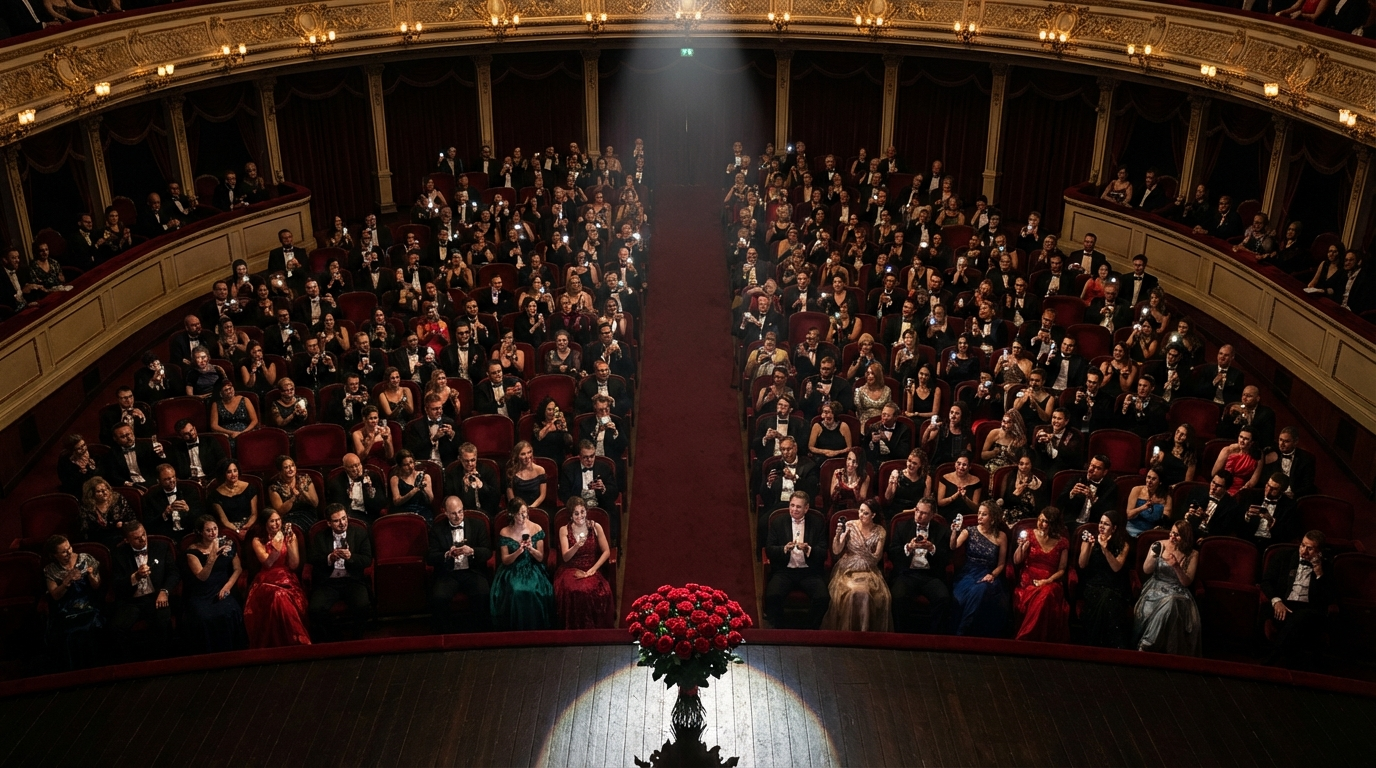
The theater style seating arrangement, also known as auditorium seating, is a configuration where chairs are arranged in rows, all facing the same direction toward a stage, presentation area, or screen. This layout is specifically designed to maximize the number of attendees in a given space while maintaining a clear line of sight for everyone. It's a common choice for lectures, conferences, seminars, product launches, and any event where the primary focus is on a speaker or presentation.
Design Your Perfect Seating Chart
Free drag-and-drop seating chart creator for weddings, events, and venues. Export professional PDFs in minutes.
Create Free Seating ChartUnlike other seating styles that encourage interaction among attendees, the theater style arrangement prioritizes one-way communication. The audience is primarily in listening and viewing mode, with the speaker or presenter as the focal point. This setup is ideal when you need to convey information efficiently and maintain a structured environment. However, it's important to consider the potential for reduced interaction and plan accordingly, perhaps incorporating Q&A sessions or interactive elements into the presentation itself.
The beauty of theater seating lies in its simplicity and scalability. You can easily adapt the number of rows and chairs to fit the size of your audience and the dimensions of your venue. The key is to plan carefully, considering factors like aisle width, chair spacing, and sightlines, to ensure a comfortable and engaging experience for all attendees. Tools like SeatingChartCreator.com can be invaluable in visualizing and optimizing your layout before the actual event.
Key Considerations for Planning Your Theater Style Layout
Planning a successful theater style seating layout involves more than just lining up chairs. Several critical factors must be considered to ensure a comfortable and effective event. These include:
- Space Dimensions: Accurately measure your venue's dimensions. This will determine the maximum number of seats you can comfortably fit while maintaining adequate aisle space and legroom.
- Sightlines: Ensure that every seat has a clear and unobstructed view of the stage or screen. Consider the height of the stage, the size of the screen, and any potential obstructions like pillars or low-hanging fixtures.
- Aisle Width: Adequate aisle width is crucial for easy access and movement, especially during breaks or emergencies. Aim for at least 4 feet for main aisles and 3 feet for secondary aisles.
- Chair Spacing: Provide sufficient legroom between rows to prevent attendees from feeling cramped. A minimum of 30 inches between rows is recommended.
- Accessibility: Comply with ADA guidelines by providing designated wheelchair-accessible seating areas and ensuring ramps or elevators are available for attendees with mobility impairments.
- Emergency Exits: Clearly mark and ensure easy access to all emergency exits. Position aisles to facilitate quick and orderly evacuation if necessary.
- Lighting and Acoustics: Consider the lighting and acoustics of the venue. Adjust the seating arrangement to minimize glare and ensure that sound is evenly distributed throughout the room.
By carefully considering these factors, you can create a theater style seating arrangement that is both functional and comfortable, maximizing the impact of your event.
Step-by-Step Guide to Creating a Theater Style Seating Chart
Creating an effective theater style seating chart doesn't have to be daunting. Here's a step-by-step guide to help you through the process:
Gather Venue Information
Obtain the floor plan of your venue, including dimensions, locations of doors and windows, and any fixed obstacles. This information is crucial for planning your layout accurately.
Determine Seating Capacity
Calculate the maximum number of seats you can comfortably fit in the space, considering aisle width, chair spacing, and accessibility requirements. Don't overcrowd the area; prioritize comfort and safety.
Design Your Layout
Use SeatingChartCreator.com to create a visual representation of your seating arrangement. Experiment with different configurations to optimize sightlines and maximize space utilization. Consider a center aisle and side aisles for easy access.
Incorporate Accessibility Features
Designate wheelchair-accessible seating areas near the front or sides of the room, ensuring easy access and clear sightlines. Provide ramps or elevators as needed.
Finalize and Share Your Chart
Review your seating chart to ensure it meets all requirements and is optimized for comfort and functionality. Share the chart with your event team and venue staff for implementation.
By following these steps, you can create a theater style seating chart that is both efficient and attendee-friendly, contributing to the success of your event.
Optimizing Sightlines and Audience Engagement
In a theater style seating arrangement, optimizing sightlines is paramount. No attendee wants to crane their neck or struggle to see the presentation. Here are some strategies to ensure everyone has a clear view:
- Staggered Seating: Consider staggering the chairs in each row. This can improve sightlines by allowing attendees to see over the shoulders of those in front of them.
- Elevated Stage: An elevated stage or platform can significantly improve visibility, especially in larger venues.
- Screen Placement: Position the screen high enough so that it is visible from all seats, including those in the back rows.
- Avoid Obstructions: Be mindful of any potential obstructions, such as pillars, plants, or low-hanging fixtures. Adjust the seating arrangement to minimize these issues.
While the theater style layout is primarily designed for one-way communication, you can still incorporate elements to boost audience engagement. Consider these techniques:
- Q&A Sessions: Allocate time for Q&A sessions to allow attendees to ask questions and interact with the speaker.
- Interactive Polls: Use online polling tools to engage the audience and gather feedback in real-time.
- Group Activities: Incorporate brief group activities or discussions to break up the monotony of the presentation.
- Visual Aids: Use engaging visual aids, such as videos, animations, and interactive graphics, to keep the audience interested.
By carefully considering sightlines and incorporating engagement strategies, you can create a theater style seating arrangement that is both informative and engaging, leaving a lasting impression on your audience.
Maximizing Space with Different Theater Style Configurations
The theater style seating arrangement isn't a one-size-fits-all solution. You can adapt the configuration to maximize space utilization and suit the specific dimensions of your venue. Here are a few variations to consider:
- Straight Rows: The most common configuration, with chairs arranged in straight rows facing the stage. This is ideal for rectangular rooms with ample space.
- Curved Rows: In larger venues, consider arranging the chairs in curved rows to improve sightlines and create a more visually appealing layout.
- Angled Rows: If your venue has an unusual shape or if you need to maximize space in a corner, consider angling the rows of chairs.
- Herringbone Pattern: This configuration involves angling rows of chairs towards the center aisle, creating a herringbone pattern. It can improve sightlines and create a more intimate atmosphere.
When choosing a configuration, consider the following factors:
- Venue Shape: The shape of your venue will dictate the most efficient seating arrangement.
- Audience Size: The number of attendees will determine the number of rows and chairs you need.
- Sightlines: Ensure that all seats have a clear view of the stage or screen, regardless of the configuration.
- Aisle Space: Maintain adequate aisle space for easy access and movement.
Theater Style Seating for Different Types of Events
The versatility of the theater style seating arrangement makes it suitable for a wide range of events. However, the specific needs of each event may require some adjustments to the basic layout. Let's look at some examples:
- Conferences: Conferences often involve multiple speakers and presentations. A large theater style setup with a central stage and multiple screens is ideal. Consider adding tables or writing surfaces for attendees to take notes.
- Training Sessions: Training sessions may require more interaction and collaboration. Incorporate breakout sessions or group activities to encourage participation. Consider using a horseshoe-shaped seating arrangement to facilitate discussion.
- Product Launches: Product launches often involve dramatic presentations and demonstrations. A theater style setup with a large screen and dynamic lighting can create a memorable experience.
- Award Ceremonies: Award ceremonies typically feature a stage for the presenters and winners. A theater style arrangement with comfortable seating and elegant décor can create a sophisticated atmosphere.
- Film Screenings: Ensure all seats have a clear view of the screen. Pay close attention to acoustics and lighting to create an immersive viewing experience.
By tailoring the theater style seating arrangement to the specific needs of your event, you can create a more engaging and effective experience for your attendees.
Examples and Templates for Theater Style Seating Arrangements
Visualizing different theater style seating arrangements can be incredibly helpful when planning your event. Here are a couple of examples, highlighting the pros and cons of each:
Traditional Straight Rows
- Pros: Simple to set up, maximizes seating capacity in rectangular rooms, easy to scale for larger audiences.
- Cons: Can lead to poor sightlines in wider rooms, less personal feel, potential for attendees to feel disconnected.
Curved Rows
- Pros: Improved sightlines, creates a more intimate atmosphere, visually appealing.
- Cons: Requires more space, can be more challenging to set up, may not be suitable for all venue shapes.
SeatingChartCreator.com offers a variety of free templates for theater style seating arrangements. These templates provide a starting point for your planning and can be customized to fit your specific needs. You can easily adjust the number of rows and chairs, add aisles, and incorporate accessibility features. Using a template can save you time and effort, ensuring that your seating arrangement is both functional and visually appealing.
Remember to consider the specific requirements of your event and venue when choosing a template. Don't be afraid to experiment with different configurations to find the perfect fit. Create Your Seating Chart today!
Common Mistakes to Avoid When Planning Theater Style Seating
Even with careful planning, it's easy to make mistakes when setting up a theater style seating arrangement. Here are some common pitfalls to avoid:
- Overcrowding: Squeezing too many seats into a small space can create a cramped and uncomfortable environment. Prioritize comfort and safety over maximizing capacity.
- Poor Sightlines: Failing to ensure clear sightlines from all seats can frustrate attendees and reduce engagement. Conduct a sightline test before the event.
- Inadequate Aisle Space: Insufficient aisle space can make it difficult for attendees to move around and can pose a safety hazard in case of an emergency.
- Neglecting Accessibility: Failing to provide accessible seating options and accommodations can exclude attendees with disabilities.
- Ignoring Acoustics: Poor acoustics can make it difficult for attendees to hear the speaker or presentation. Consider using sound amplification systems and acoustic panels to improve sound quality.
By avoiding these common mistakes, you can create a theater style seating arrangement that is both functional and enjoyable for all attendees.
Expert Tips for a Flawless Theater Style Setup
Here are some additional expert tips to help you create a truly flawless theater style seating arrangement:
- Use Comfortable Chairs: Choose chairs that are comfortable and supportive, especially for events that last several hours.
- Provide Adequate Lighting: Ensure that the lighting is bright enough for attendees to see and take notes, but not so bright that it creates glare on the screen.
- Offer Refreshments: Provide water stations or offer refreshments during breaks to keep attendees hydrated and energized.
- Clearly Mark Seating Sections: Use signage to clearly mark seating sections and rows, making it easy for attendees to find their seats.
- Have Staff Available to Assist: Station staff members throughout the venue to assist attendees with seating and answer any questions they may have.
By following these expert tips, you can create a theater style seating arrangement that is both comfortable and convenient, enhancing the overall experience for your attendees. Don't forget to explore More Event Planning Tips on our blog!
Frequently Asked Questions
A minimum of 30 inches between rows is recommended to provide adequate legroom. However, if you anticipate attendees will be taking notes or using laptops, consider increasing the spacing to 36 inches for added comfort.
Get Event Planning Tips
Weekly tips on seating arrangements, event layouts, and planning strategies.
SeatingChart Team
Our team of event planning experts is dedicated to helping you create unforgettable events with perfect seating arrangements.
Ready to Create Your Seating Chart?
Start planning your perfect event layout with our free drag-and-drop seating chart creator. No sign-up required to try it out!
Try Free Seating Chart Creator