Planning an event with rectangular table seating can feel like solving a complex puzzle. You want your guests to mingle comfortably, enjoy the ambiance, and easily navigate the space. But with a little planning and the right tools, arranging rectangular tables can be a breeze. Forget the stress of rearranging place cards; let's dive into mastering rectangular table seating in just 20 minutes!
Key Takeaways
- Rectangular tables offer flexibility in maximizing space and creating different seating arrangements.
- Careful planning and consideration of guest relationships are crucial for optimal seating arrangements.
- Tools like SeatingChartCreator.com can simplify the seating chart creation process.
- Consider traffic flow and accessibility when arranging rectangular tables.
- Don't forget to factor in the placement of key elements like dance floors, stages, and buffet tables.
Why Choose Rectangular Tables for Your Event?
Rectangular tables are a popular choice for many events, from weddings and corporate gatherings to family reunions and galas. But what makes them so appealing? The answer lies in their versatility and practicality. Unlike round tables, rectangular tables can be easily arranged in various configurations, allowing you to maximize space and create unique layouts tailored to your venue.
Design Your Perfect Seating Chart
Free drag-and-drop seating chart creator for weddings, events, and venues. Export professional PDFs in minutes.
Create Free Seating ChartOne of the biggest advantages of rectangular tables is their ability to accommodate more guests in a given area. Their linear design allows for efficient use of space, particularly in venues with limited square footage. This makes them ideal for events where you want to maximize guest capacity without sacrificing comfort. It also offers great flexibility in layout. You can join multiple tables to create long banquet-style configurations, or arrange them separately to create intimate seating areas.
Moreover, rectangular table seating lends itself well to creating a more formal and structured atmosphere. Their clean lines and geometric shapes can contribute to a modern and sophisticated aesthetic, perfect for upscale events or corporate functions. You can easily adapt the décor to create a particular style. Whether you fancy a rustic outdoor celebration or a formal ballroom gala, rectangular tables will fit right in.
Understanding the Dynamics of Rectangular Table Seating
Before you start dragging and dropping tables in your seating chart software, it's essential to understand the social dynamics at play. Rectangular tables, by their nature, create a different seating experience compared to round tables. The longer format can sometimes make it more difficult for guests to engage in conversation with everyone at the table simultaneously. So, careful consideration of guest relationships and personalities is paramount.
Think about who would enjoy sitting next to whom. Pair outgoing guests with those who might be a bit more reserved. Mix different groups of friends and family to encourage mingling and networking. And, of course, be mindful of any potential conflicts or sensitivities. A well-thought-out seating arrangement can make all the difference in creating a positive and enjoyable experience for your guests.
Consider the line of sight. Guests seated at the ends of long rectangular tables may feel somewhat disconnected from the rest of the table. To mitigate this, consider placing individuals who are comfortable leading conversations or have a strong presence at the ends. And remember to keep sightlines to key focal points clear. No one wants to be stuck staring at a pillar or a blank wall all night!
Step-by-Step Guide to Planning Your Rectangular Table Layout
Ready to start planning your rectangular table layout? Here's a step-by-step guide to help you through the process:
Gather Your Information
Start by collecting all the essential details. This includes your final guest count, the venue floor plan (with dimensions), and any specific requirements from your venue regarding table sizes and configurations.
Determine Table Size and Quantity
Based on your guest count and venue space, decide on the appropriate size and number of rectangular tables you'll need. A general rule of thumb is to allow at least 24 inches of space per guest along the table. Don't forget to factor in space for chairs and walkways.
Create a Basic Layout
Use your venue floor plan to create a basic layout of your rectangular tables. Consider factors like the location of the dance floor, stage, buffet tables, and any other key elements. Ensure there's enough space for guests to move around comfortably without bumping into tables or chairs.
Start Seating Your Guests
Now comes the fun part! Start assigning guests to tables, keeping in mind their relationships, personalities, and any special needs. Use a tool like SeatingChartCreator.com to easily drag and drop guests onto tables and visualize your seating arrangement.
Review and Refine
Once you've created your initial seating chart, take some time to review it and make any necessary adjustments. Ask a friend or family member to take a look with fresh eyes. Don't be afraid to experiment with different arrangements until you find one that feels just right.
Using SeatingChartCreator.com to Simplify the Process
Creating a seating chart can be a daunting task, but it doesn't have to be. SeatingChartCreator.com is a free online tool that makes the whole process simple and intuitive. With its drag-and-drop interface, you can easily arrange rectangular tables, add guests, and visualize your seating arrangement in real time. No more struggling with spreadsheets or hand-drawn diagrams!
One of the great features of SeatingChartCreator.com is its ability to import guest lists directly from spreadsheets. This saves you hours of manual data entry and ensures that all your guest information is accurate. You can also add custom notes to each guest profile, such as dietary restrictions or seating preferences, to help you make informed decisions.
SeatingChartCreator.com also allows you to collaborate with others on your seating chart. You can share your project with your partner, wedding planner, or other family members and work together in real time. This makes it easy to get feedback and ensure that everyone is happy with the final arrangement. And remember, it's completely free to Create Your Seating Chart!
Before You Start
- Finalize your guest list and collect RSVPs.
- Obtain a detailed floor plan of your venue with accurate dimensions.
- Determine the number and size of rectangular tables needed.
- Gather information about guest relationships and preferences.
- Identify any guests with special needs or dietary restrictions.
Maximizing Space and Flow with Rectangular Table Arrangements
One of the keys to successful rectangular table seating is optimizing space and ensuring smooth traffic flow. You want your guests to be able to move around comfortably without feeling cramped or crowded. This means carefully considering the placement of tables, chairs, and walkways.
A good rule of thumb is to allow at least 3 feet of space between tables to allow guests to pass through easily. For walkways, aim for at least 5 feet of width to accommodate higher traffic volume. Avoid placing tables too close to walls or other obstacles, as this can create bottlenecks and make it difficult for guests to navigate the space.
Also, consider the proximity of tables to key areas like the dance floor, bar, and buffet tables. You want to ensure that guests have easy access to these amenities without disrupting the flow of traffic. Strategically positioning tables near these areas can also help create a more lively and engaging atmosphere.
Creative Rectangular Table Layout Ideas
Rectangular tables offer a surprising amount of flexibility when it comes to layout design. Here are a few creative ideas to inspire your own seating arrangement:
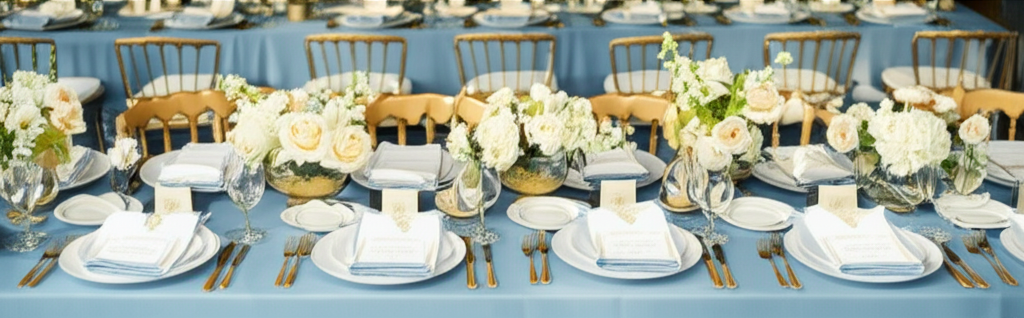
- Banquet Style: Arrange multiple rectangular tables end-to-end to create long, continuous rows. This is a great option for maximizing space and creating a sense of community.
- Herringbone Pattern: Angle rectangular tables in a herringbone pattern to add visual interest and create a more dynamic layout.
- U-Shape Configuration: Arrange rectangular tables in a U-shape to create a more intimate and conversational setting. This is ideal for smaller events or meetings.
- Serpentine Layout: Curve rectangular tables in a serpentine pattern to create a flowing and organic feel. This is a unique option for outdoor events or large venues.
Don't be afraid to experiment with different layouts to find one that best suits your venue and event style. Use SeatingChartCreator.com to easily visualize your ideas and see how they would look in real life.
Examples of Stunning Rectangular Table Seating Arrangements
Sometimes, the best way to get inspired is to see what others have done. Here are a couple of examples of stunning rectangular table seating arrangements:
Rustic Farmhouse Wedding
- Long rectangular tables adorned with burlap runners and mason jar centerpieces.
- Wooden chairs with greenery accents.
- String lights overhead creating a warm and inviting atmosphere.
Modern Corporate Gala
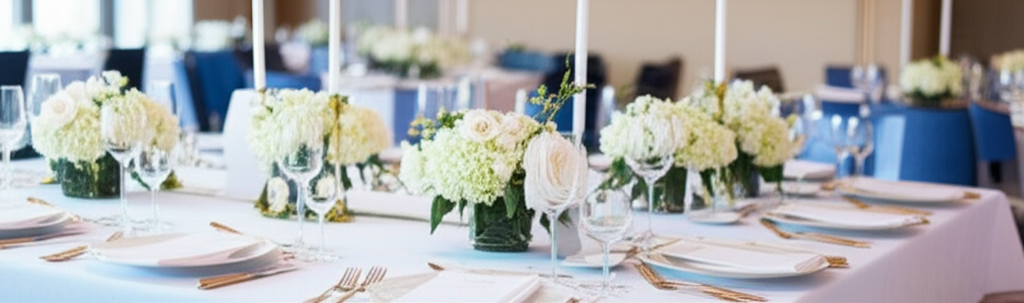
- Sleek rectangular tables with minimalist decor.
- Ghost chairs for a contemporary look.
- Dramatic uplighting and geometric patterns projected on the walls.
Notice how each example utilizes rectangular tables to create a distinct aesthetic. The key is to choose a style that complements your event theme and venue.
Common Mistakes to Avoid When Planning Rectangular Table Seating
While rectangular table seating can be a great option, there are a few common mistakes to avoid:
- Overcrowding: Don't try to squeeze too many guests around a single table. This can lead to discomfort and a negative experience.
- Neglecting Traffic Flow: Make sure there's enough space for guests to move around comfortably without bumping into tables or chairs.
- Ignoring Sightlines: Ensure that guests have a clear view of key focal points, such as the stage or head table.
- Forgetting Special Needs: Be mindful of guests with disabilities or other special needs and ensure they have appropriate seating arrangements.
By avoiding these common pitfalls, you can ensure that your rectangular table seating arrangement is a success.
Expert Tips for a Flawless Rectangular Table Seating Chart
Here are a few expert tips to help you create a flawless rectangular table seating chart:
- Prioritize VIPs: Place your VIP guests in the most prominent locations, such as near the head table or stage.
- Mix and Mingle: Don't be afraid to mix different groups of friends and family to encourage mingling and networking.
- Consider Age Groups: Try to seat guests of similar ages together, as they are more likely to have common interests.
- Be Flexible: Be prepared to make adjustments to your seating chart as needed, even up to the last minute.
With a little planning and attention to detail, you can create a rectangular table seating chart that will impress your guests and contribute to a memorable event.
Frequently Asked Questions
A good rule of thumb is to allow at least 24 inches (2 feet) of table space per person. This ensures that each guest has enough room to eat comfortably and doesn't feel cramped.
Get Event Planning Tips
Weekly tips on seating arrangements, event layouts, and planning strategies.
SeatingChart Team
Our team of event planning experts is dedicated to helping you create unforgettable events with perfect seating arrangements.
Ready to Create Your Seating Chart?
Start planning your perfect event layout with our free drag-and-drop seating chart creator. No sign-up required to try it out!
Try Free Seating Chart Creator