Planning an event with round tables? You're in good company! Round tables are a classic choice for weddings, galas, and corporate events. They foster conversation and create a sense of intimacy. However, mastering the round table seating chart can be trickier than it looks. Get it wrong, and you risk awkward silences, disconnected groups, and an overall less-than-ideal atmosphere. This comprehensive guide will walk you through everything you need to know to create a round table seating chart that wows your guests and ensures a memorable event for all the right reasons.
Key Takeaways
- Optimal guest count per table significantly impacts conversation flow and comfort.
- Strategic placement of VIPs and guests with common interests is crucial for a successful seating arrangement.
- Using a seating chart creator tool like SeatingChartCreator.com simplifies the entire process.
- Balancing mixed groups (families, friends, colleagues) requires careful consideration to avoid awkwardness.
- Always have a backup plan and be prepared to make last-minute adjustments.
Why Round Tables Are a Popular Choice
What makes round tables so appealing for event planners and hosts? Several factors contribute to their enduring popularity. First and foremost, round tables are excellent for facilitating conversation. Everyone at the table can easily see and interact with each other, promoting a sense of connection and shared experience. This is particularly important for events where networking or relationship-building is a goal.
Design Your Perfect Seating Chart
Free drag-and-drop seating chart creator for weddings, events, and venues. Export professional PDFs in minutes.
Create Free Seating ChartSecondly, round tables offer a classic and elegant aesthetic. They evoke a sense of sophistication and formality, making them a fitting choice for weddings, upscale dinners, and other special occasions. The circular shape softens the overall look of the room and creates a more inviting atmosphere.
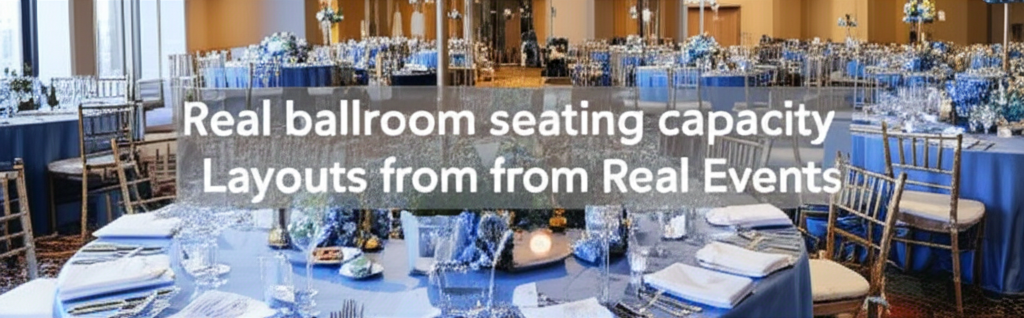
Finally, round tables can be more space-efficient than rectangular tables in certain room configurations. While a rectangular table might seem like it can accommodate more people, the overall footprint, including space for chairs and movement, can sometimes be larger. Round tables allow for more flexible arrangements and can be easier to fit into tighter spaces. Consider the dimensions of your venue when making your decision. Don't forget to leave ample space between tables for guests and service staff to move around comfortably.
The Ideal Number of Guests Per Round Table
One of the most critical aspects of planning a round table seating chart is determining the optimal number of guests per table. This isn't a one-size-fits-all answer, as it depends on the size of the table and the desired level of comfort. However, there are some general guidelines to follow. A standard 60-inch round table typically seats 8 people comfortably. A larger 72-inch round table can accommodate 10-12 people.
Overcrowding a round table can lead to discomfort and hinder conversation. Guests may feel cramped and unable to easily interact with others. On the other hand, under-filling a table can create a sense of emptiness and isolation. Aim for a balance that allows guests to feel comfortable and connected.
Consider the type of event and the overall atmosphere you're trying to create. For a more formal event, you might want to err on the side of fewer guests per table to provide more personal space. For a more casual event, you can get away with slightly more guests per table. Ultimately, the goal is to create a seating arrangement that promotes comfort, conversation, and enjoyment.
Step-by-Step Guide to Creating Your Round Table Seating Chart
Creating a round table seating chart can seem daunting, but it doesn't have to be. By following a systematic approach, you can create a seating arrangement that's both functional and aesthetically pleasing. Here's a step-by-step guide to help you get started:
Gather Your Guest List and RSVPs
Before you can start creating your seating chart, you need a complete and accurate guest list. Make sure you have confirmed RSVPs from all your guests. This will give you a clear idea of the total number of people you need to accommodate.
Determine Table Sizes and Layout
Work with your venue to determine the size and number of round tables you'll need. Consider the room layout and how the tables will be arranged. Make sure there's enough space between tables for guests and service staff to move around comfortably.
Identify VIPs and Special Needs
Identify any VIP guests, such as family members, close friends, or important clients. Place them at tables where they'll feel comfortable and well-cared for. Also, be mindful of any guests with special needs, such as mobility issues or dietary restrictions. Seat them accordingly.
Group Guests with Common Interests
Think about the relationships between your guests. Group people together who have common interests, know each other well, or are likely to enjoy each other's company. This will help foster conversation and create a more positive atmosphere.
Use a Seating Chart Creator Tool
Tools like SeatingChartCreator.com can make the entire process much easier. Our free, drag-and-drop interface allows you to easily visualize your seating chart and make changes as needed. You can also collaborate with others on the seating chart in real-time.
Finalize and Communicate Your Seating Chart
Once you're happy with your seating chart, finalize it and communicate it to your guests. You can do this by creating escort cards or displaying a large seating chart at the entrance to the event. Make sure the seating chart is clear and easy to understand.
Strategies for Mixing Different Groups at Round Tables
One of the biggest challenges of creating a round table seating chart is figuring out how to mix different groups of people. You might have family members, friends, colleagues, and acquaintances all attending the same event. The key is to create a balance that allows people to feel comfortable and connected, while also encouraging them to meet new people.
Start by identifying the key social groups within your guest list. These might be families, friend groups, or work teams. Try to seat these groups together, or at least nearby each other. This will provide a sense of familiarity and comfort. Then, strategically introduce individuals from different groups to each other. Look for people who have common interests or who you think would get along well.
Be mindful of potential awkwardness. Avoid seating people together who have a history of conflict or who are known to be incompatible. Also, be careful about mixing business and personal relationships. It's generally best to keep these separate, unless you're confident that everyone will feel comfortable.
Finally, don't be afraid to experiment. Try different seating arrangements and see what works best. You can always make adjustments later if needed. The goal is to create a seating chart that promotes conversation, connection, and enjoyment for all your guests.
Using SeatingChartCreator.com for Your Round Table Seating Chart
Creating a round table seating chart doesn't have to be a headache. With the help of SeatingChartCreator.com, you can simplify the entire process and create a seating arrangement that's both functional and aesthetically pleasing. Our free, online tool is designed to be user-friendly and intuitive, even for those who have never created a seating chart before.
With SeatingChartCreator.com, you can easily import your guest list, drag and drop guests onto tables, and visualize your seating chart in real-time. You can also collaborate with others on the seating chart, making it easy to get input from family members, friends, or colleagues. The platform allows you to customize the table shapes, sizes, and colors to match your venue and event theme. You can even add notes and details to each table, such as dietary restrictions or special requests.
Best of all, SeatingChartCreator.com is completely free to use. There are no hidden fees or subscriptions. You can create as many seating charts as you need, without ever having to pay a dime. So why struggle with spreadsheets or complicated software? Try SeatingChartCreator.com today and experience the ease and convenience of online seating chart creation. And don't forget to check out our Free Templates for inspiration!
Round Table Seating Chart Examples and Templates
Sometimes, the best way to understand how to create a great round table seating chart is to see some examples. Here are a couple of common scenarios and how you might approach them:
Wedding Reception
- Head Table: Bride and groom, wedding party, and immediate family.
- Family Tables: Parents, grandparents, and close relatives.
- Friend Tables: Groups of friends who know each other well.
- Mix and Mingle Tables: Guests from different circles who are likely to get along.
Corporate Gala
- VIP Table: Executives, sponsors, and key clients.
- Department Tables: Employees from the same department or team.
- Networking Tables: Guests from different companies or industries who are looking to connect.
- Mix and Mingle Tables: A combination of employees and clients from various backgrounds.
These are just a couple of examples, of course. The best seating chart for your event will depend on the specific details of your guest list and venue. But hopefully, these examples give you a starting point and some ideas to consider. Remember to use SeatingChartCreator.com to visualize these layouts and customize them to your specific needs.
You can also find a variety of seating chart templates online, including templates specifically designed for round tables. These templates can be a great way to save time and get inspiration. Just be sure to customize the template to fit your specific guest list and venue. Remember, the goal is to create a seating chart that's both functional and aesthetically pleasing.
Common Mistakes to Avoid When Planning Your Round Table Seating Chart
While round tables are a fantastic choice for many events, there are some common pitfalls to avoid when planning your seating chart. Making these mistakes can lead to awkwardness, discomfort, and an overall less-than-ideal experience for your guests.
One of the biggest mistakes is overcrowding tables. As mentioned earlier, it's important to provide enough space for guests to feel comfortable and interact easily. Cramming too many people around a round table can make it difficult to move, eat, and converse. Another common mistake is failing to consider the relationships between guests. Seating strangers together who have nothing in common can lead to awkward silences and forced conversation. Take the time to understand your guests' relationships and group them accordingly.
Ignoring special needs is another significant oversight. Be mindful of guests with mobility issues, dietary restrictions, or other special needs. Seat them in a location that's easily accessible and provides the necessary accommodations. Also, don't forget about sightlines. Make sure all guests have a clear view of the stage, screen, or whatever focal point you have at your event.
Expert Tips and Pro Advice for Round Table Success
Want to take your round table seating chart to the next level? Here are some expert tips and pro advice to help you create a truly memorable event:
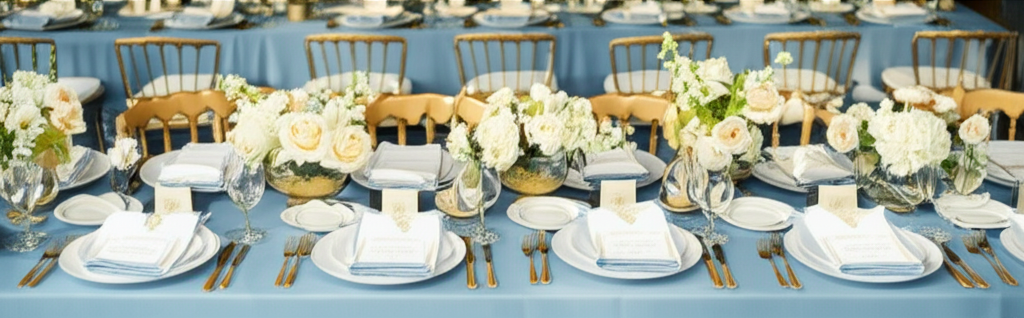
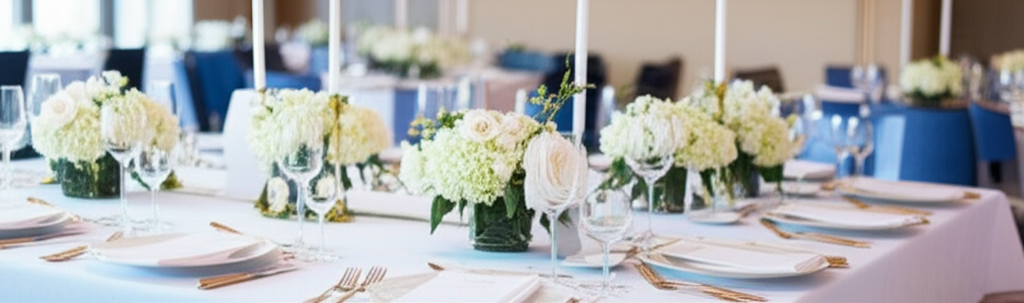
Consider the flow of the room. Think about how guests will move around the room and interact with each other. Place high-traffic areas, such as bars and buffet tables, in locations that are easily accessible and don't disrupt the seating arrangement. Use centerpieces to enhance the aesthetic of your round tables. Choose centerpieces that are appropriate for the event and don't obstruct guests' views. Keep them relatively low so people can easily see and talk to each other across the table.
Pay attention to the details. Small touches can make a big difference. Consider using place cards with personalized messages, offering themed favors, or providing conversation starters to encourage interaction. Be prepared for last-minute changes. No matter how carefully you plan your seating chart, there's always a chance that something will change at the last minute. Have a backup plan in place and be prepared to make adjustments as needed. Most importantly, have fun! Planning an event should be an enjoyable experience. Relax, be creative, and trust your instincts. With a little planning and attention to detail, you can create a round table seating chart that wows your guests and ensures a memorable event for all the right reasons. Remember to leverage tools like SeatingChartCreator.com to streamline the process and bring your vision to life. You can also find More Event Planning Tips on our blog!
Frequently Asked Questions
A 60-inch round table typically seats 8 people comfortably. You might be able to squeeze in 9 or 10, but it could feel a bit crowded.
Get Event Planning Tips
Weekly tips on seating arrangements, event layouts, and planning strategies.
SeatingChart Team
Our team of event planning experts is dedicated to helping you create unforgettable events with perfect seating arrangements.
Ready to Create Your Seating Chart?
Start planning your perfect event layout with our free drag-and-drop seating chart creator. No sign-up required to try it out!
Try Free Seating Chart Creator