Planning an event can feel like juggling a million details at once. From the guest list to the menu, every decision plays a part in creating a memorable experience. One often overlooked, yet crucial aspect is the seating chart. The right seating arrangement can spark conversations, foster connections, and contribute to the overall ambiance of your event. If you're looking for a layout that encourages interaction and collaboration, hollow square seating might be the perfect solution. This guide will walk you through everything you need to know to master this versatile arrangement.
Key Takeaways
- Hollow square seating promotes engagement and discussion, ideal for meetings and workshops.
- Careful consideration of table size and room dimensions is crucial for a comfortable layout.
- Strategic placement of key participants can maximize interaction and focus.
- Using a seating chart tool like SeatingChartCreator.com simplifies the planning process.
- Avoid common mistakes like overcrowding or neglecting accessibility needs.
What is Hollow Square Seating?
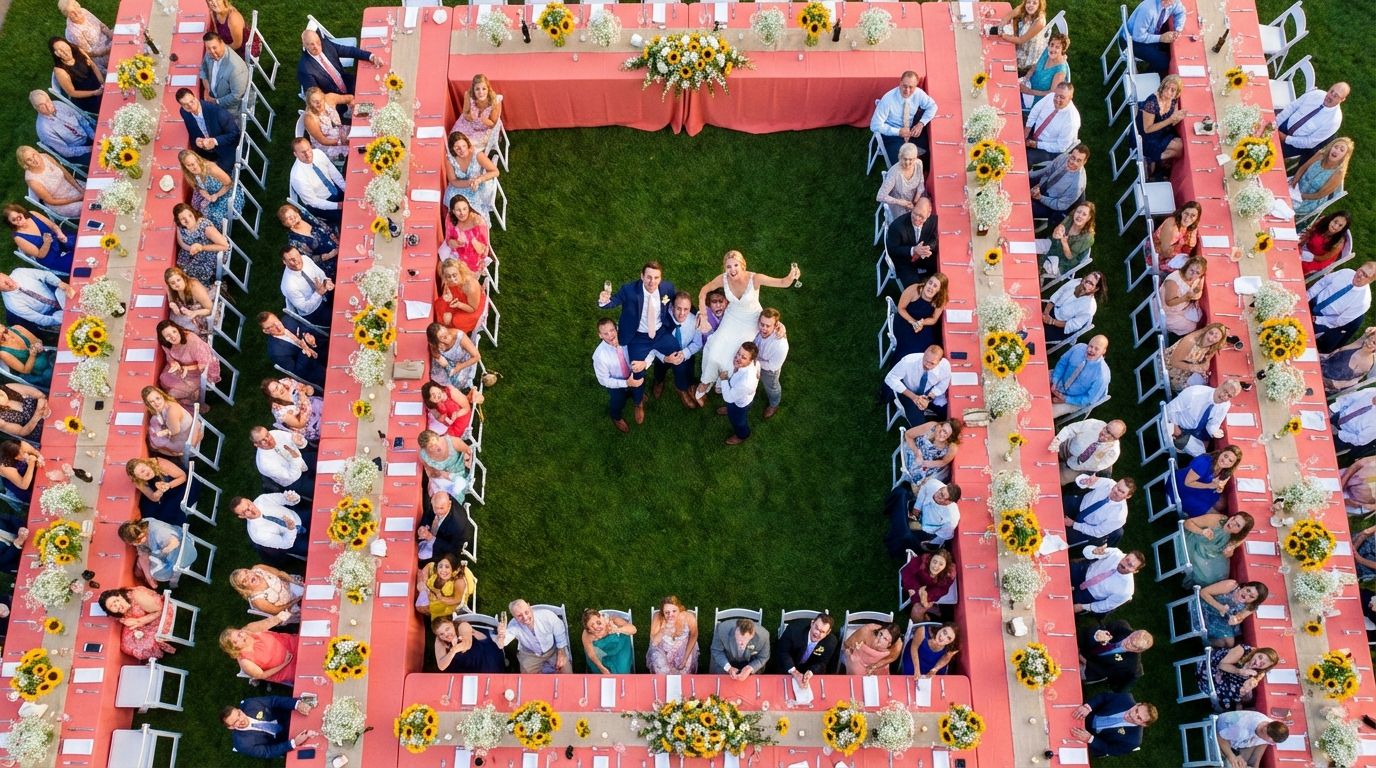
Hollow square seating is a configuration where tables are arranged to form a square (or rectangle) with an open space in the center. This creates a visual and functional space that encourages interaction among participants. Unlike traditional classroom or theater-style seating, the hollow square allows everyone to face each other, fostering a sense of community and shared purpose.
Design Your Perfect Seating Chart
Free drag-and-drop seating chart creator for weddings, events, and venues. Export professional PDFs in minutes.
Create Free Seating ChartThink of it as a large, collaborative table where everyone has a seat. This layout is particularly well-suited for meetings, workshops, training sessions, and brainstorming events where active participation is key. The open center can be used for presentations, demonstrations, or simply as a focal point for discussion.
The beauty of the hollow square lies in its adaptability. It can be scaled up or down depending on the size of your group and the dimensions of your venue. Plus, it can be easily customized with different table shapes, sizes, and configurations to suit your specific needs.
Why Choose Hollow Square Seating?
So, why should you consider hollow square seating for your next event? There are several compelling reasons:
- Enhanced Communication: The open layout facilitates face-to-face interaction and encourages participants to share their ideas and perspectives.
- Increased Engagement: By allowing everyone to see and hear each other clearly, the hollow square promotes active listening and participation.
- Collaborative Environment: The arrangement fosters a sense of community and shared purpose, making it ideal for team-building activities and group projects.
- Flexibility: The hollow square can be adapted to fit a variety of room sizes and shapes, and can be easily customized with different table configurations.
- Improved Focus: With everyone facing inwards, distractions are minimized and participants are better able to concentrate on the task at hand.
In essence, hollow square seating creates a more democratic and engaging environment where everyone feels empowered to contribute. This type of table arrangement can be the difference between a passive meeting and a productive, collaborative session.
Planning Your Hollow Square Layout: A Step-by-Step Guide
Ready to implement hollow square seating for your event? Follow these steps to create a layout that maximizes engagement and comfort:
Before You Start
- Determine the final guest count.
- Obtain the venue's floor plan with accurate dimensions.
- Identify any VIP guests or individuals with specific accessibility needs.
- Consider the purpose of the event and the desired level of interaction.
Measure Your Space
Accurately measure the dimensions of your venue, paying attention to any obstructions like pillars or doorways. This will help you determine the maximum size of your hollow square seating arrangement.
Choose Your Tables
Decide on the type of tables you'll use. Rectangular tables are the most common choice for hollow square seating, as they allow for a clean, uniform look. However, you could also use square or even trapezoidal tables to create a more unique arrangement. Consider the table width when calculating the overall dimensions of the square, and think about the depth of the tables to allow adequate space for materials and comfort.
Calculate Table Placement
Determine the number of tables you'll need for each side of the square based on your guest count. Allow adequate space between each seat (at least 24 inches) to ensure comfort. Also, factor in aisle space around the perimeter of the square for easy access and movement. A minimum of 3 feet is recommended. Using a tool like SeatingChartCreator.com can help you visualize the layout and make adjustments easily.
Consider the Center Space
Decide how you'll utilize the open space in the center of the square. Will it be used for presentations, demonstrations, or simply as a focal point? If you're planning a presentation, ensure there's enough space for a projector screen, podium, or other necessary equipment. If not, it's important to leave space in the middle for people to get up and stretch their legs.
Account for Accessibility
Ensure your hollow square seating arrangement is accessible to all participants, including those with disabilities. Provide ample space for wheelchairs and other mobility devices. Consider using adjustable-height tables to accommodate individuals with different needs.
Assign Seating
Once you have your layout finalized, assign seating based on your event objectives. Consider placing key participants or individuals who can contribute significantly to the discussion in strategic locations. Be mindful of potential conflicts and try to create a balanced and inclusive arrangement.
Optimizing Interaction: Strategic Seating Placement
The placement of guests within your hollow square seating arrangement can significantly impact the level of interaction and collaboration. Here are some strategies to optimize seating placement:
- Place Key Participants Strategically: Position individuals who are knowledgeable, experienced, or influential in key locations around the square. This will encourage them to actively participate and guide the discussion.
- Mix Up Departments or Teams: If your event involves participants from different departments or teams, strategically mix them up to foster cross-functional communication and collaboration.
- Consider Personality Types: Be mindful of different personality types when assigning seating. Pair introverted individuals with more outgoing personalities to encourage them to participate.
- Facilitate Networking: Use the seating chart as an opportunity to facilitate networking by placing individuals with similar interests or backgrounds near each other.
- Avoid Cliques: Be careful not to create cliques by seating groups of friends or colleagues together. This can discourage interaction with others and limit the overall effectiveness of the arrangement.
Remember, the goal is to create a balanced and inclusive environment where everyone feels comfortable contributing. Strategic seating placement can help you achieve this goal and maximize the value of your event.
Essential Tips for Comfortable Hollow Square Seating
While the hollow square seating arrangement is designed to foster collaboration, it's important to prioritize the comfort of your guests. Here are some essential tips to ensure a positive experience:
- Provide Adequate Space: Don't overcrowd the tables. Allow at least 24 inches of space per person to ensure comfort and prevent bumping elbows.
- Choose Comfortable Chairs: Select chairs that are ergonomically designed and provide adequate support. Consider adding cushions for extra comfort.
- Maintain a Comfortable Temperature: Ensure the room is properly ventilated and the temperature is comfortable for everyone.
- Provide Refreshments: Offer water, coffee, tea, and snacks to keep participants energized and engaged.
- Take Breaks: Schedule regular breaks to allow participants to stretch their legs, use the restroom, and recharge.
By paying attention to these details, you can create a hollow square seating arrangement that is not only conducive to collaboration but also comfortable and enjoyable for all participants. A comfortable attendee is a happy and productive attendee.
Hollow Square Seating: Examples and Templates
To give you a better idea of how hollow square seating can be implemented in different scenarios, here are a few examples and templates:
Small Group Meeting (12-16 Participants)
- Use four rectangular tables to form a square.
- Allow 3-4 participants per table.
- Place a whiteboard or flip chart in the center for brainstorming.
Large Workshop (20-30 Participants)
- Use eight rectangular tables to form a larger square.
- Allow 3-4 participants per table.
- Designate one side of the square for presenters or facilitators.
Training Session (16-24 Participants)
- Use six rectangular tables to form a rectangle.
- Allow 4 participants per table.
- Provide each participant with a notepad and pen.
Board Meeting (8-12 Participants)
- Use four rectangular tables to form a smaller square.
- Allow 2-3 participants per table.
- Place important documents or reports in the center of the square.
These are just a few examples, of course. The specific configuration of your hollow square seating arrangement will depend on the size and shape of your venue, the number of participants, and the objectives of your event. Don't be afraid to experiment with different layouts and customize them to suit your specific needs. Using Free Templates from SeatingChartCreator.com can help you get started.
Common Mistakes to Avoid with Hollow Square Seating
While hollow square seating can be a highly effective layout, it's important to avoid common mistakes that can undermine its effectiveness. Here are some pitfalls to watch out for:
- Overcrowding: Cramming too many people around the tables can lead to discomfort and hinder interaction.
- Poor Visibility: Ensure everyone has a clear view of the center of the square and any presentation materials.
- Lack of Accessibility: Neglecting accessibility needs can exclude participants and create an unwelcoming environment.
- Inadequate Lighting: Insufficient lighting can make it difficult for participants to see each other and read materials.
- Distracting Noise: External noise or distractions can disrupt the flow of conversation and reduce engagement.
By being aware of these common mistakes and taking steps to avoid them, you can ensure that your hollow square seating arrangement is a success. Careful planning and attention to detail are essential for creating a positive and productive environment. Also, be sure to consider the acoustics of the room. Sound can travel quickly and bounce off hard surfaces creating echoes. If you anticipate a lot of discussion, consider adding sound-dampening materials to help make the room more accessible aurally.
Expert Tips for Maximizing Hollow Square Seating Effectiveness
To truly master hollow square seating, consider these expert tips:
- Clearly Define Objectives: Before the event, clearly define the objectives and communicate them to all participants. This will help keep the discussion focused and productive.
- Appoint a Facilitator: Designate a facilitator to guide the discussion, manage time, and ensure everyone has an opportunity to contribute.
- Encourage Active Listening: Encourage participants to actively listen to each other and ask clarifying questions.
- Use Visual Aids: Incorporate visual aids such as slides, charts, and diagrams to enhance understanding and engagement.
- Solicit Feedback: At the end of the event, solicit feedback from participants to identify areas for improvement in future events.
By implementing these expert tips, you can maximize the effectiveness of your hollow square seating arrangement and create a truly engaging and collaborative event. Using Create Your Seating Chart on SeatingChartCreator.com, you can visualize your setup and make changes or adjustments to the table sizes very easily.
Frequently Asked Questions
Hollow square seating is ideal for events that require active participation, collaboration, and discussion. This includes meetings, workshops, training sessions, brainstorming sessions, and board meetings. It is especially effective when you want to encourage face-to-face interaction and foster a sense of community.
Get Event Planning Tips
Weekly tips on seating arrangements, event layouts, and planning strategies.
SeatingChart Team
Our team of event planning experts is dedicated to helping you create unforgettable events with perfect seating arrangements.
Ready to Create Your Seating Chart?
Start planning your perfect event layout with our free drag-and-drop seating chart creator. No sign-up required to try it out!
Try Free Seating Chart Creator