
Planning an event can feel like juggling a million details at once. From the venue to the menu, every element plays a crucial role in creating a memorable experience for your guests. One often overlooked, yet vital, aspect is the table arrangement. Choosing the right layout can significantly impact the flow of your event, encourage interaction, and ensure everyone feels comfortable. Among the many options available, the U-shaped table arrangement stands out as a versatile choice for meetings, conferences, workshops, and even intimate wedding receptions. Let's dive into how to master the U-shaped table arrangement and create an event that's both functional and fabulous. This guide will walk you through everything you need to know to successfully implement this layout, ensuring your event is a resounding success.
Key Takeaways
- U-shaped table arrangements foster engagement and interaction among attendees.
- Careful consideration of room dimensions and guest count is crucial for successful implementation.
- Utilizing online tools like SeatingChartCreator.com simplifies the planning and visualization process.
- Strategic placement of focal points and catering stations enhances the overall event experience.
- Avoiding common mistakes, such as overcrowding and neglecting accessibility, ensures guest comfort.
What is a U-Shaped Table Arrangement?
A U-shaped table arrangement is exactly what it sounds like: tables are arranged in the shape of a "U," with the open end typically facing a focal point such as a presenter, screen, or stage. This layout is characterized by its ability to encourage interaction and facilitate communication among participants. Unlike traditional rows of tables, the U-shape allows attendees to see each other, promoting a more collaborative and engaging environment.
Design Your Perfect Seating Chart
Free drag-and-drop seating chart creator for weddings, events, and venues. Export professional PDFs in minutes.
Create Free Seating ChartThis arrangement is particularly effective for events where active participation and group discussions are desired. Think of a training workshop where participants need to easily view demonstrations and interact with the instructor, or a board meeting where open communication is key. The U-shape promotes a sense of inclusivity, making it easier for everyone to contribute and feel like they are part of the conversation. Moreover, it is a phenomenal way to ensure that nobody is stuck in a corner or feeling removed from the central event.
The beauty of the U-shaped layout lies in its adaptability. It can be scaled to accommodate events of varying sizes, from small, intimate gatherings to larger conferences. The dimensions of the "U" can be adjusted to suit the specific space and the number of attendees, making it a flexible option for a wide range of venues. Furthermore, by carefully planning the table placement, you can also incorporate presentation equipment, catering stations, and other essential elements seamlessly into the arrangement.
Why Choose a U-Shaped Layout for Your Event?
So, why opt for a U-shaped table arrangement over other layouts? The answer lies in its unique ability to foster interaction and engagement. In a U-shaped setup, attendees can easily see and interact with both the presenter and their fellow participants. This promotes a sense of community and encourages active involvement in discussions and activities.
Here’s a breakdown of the key advantages:
- Enhanced Interaction: The open design facilitates eye contact and easy communication among attendees.
- Improved Visibility: Everyone has a clear view of the presenter or focal point, minimizing distractions and maximizing engagement.
- Collaborative Environment: The layout naturally encourages group discussions, brainstorming sessions, and team-building activities.
- Flexible Configuration: The size and dimensions of the "U" can be adjusted to fit various room sizes and guest counts.
- Accessibility: Easy access to the center of the "U" for presenters, facilitators, and support staff.
Consider a corporate training session, for example. Imagine participants seated in rows, struggling to see the presenter and feeling disconnected from their peers. Now, picture the same group arranged in a U-shape. Suddenly, everyone has a clear view of the trainer, and they can easily engage in discussions and activities with their colleagues. This simple change in layout can dramatically improve the overall learning experience.
Planning Your U-Shaped Table Arrangement: Key Considerations
Before you start physically arranging tables, careful planning is essential. Several factors need to be considered to ensure your U-shaped table arrangement is both functional and aesthetically pleasing. The following considerations will help you create a seating plan that is optimized for your specific event needs:
- Room Dimensions: Measure the space accurately. This will dictate the maximum size of your "U" and the number of tables you can comfortably accommodate.
- Guest Count: Determine the exact number of attendees. This will help you calculate the number of seats required and ensure everyone has adequate space.
- Focal Point: Identify the primary focal point (e.g., presenter, screen, stage). Position the open end of the "U" to face this point for optimal visibility.
- Traffic Flow: Plan for smooth traffic flow around the tables. Ensure there is ample space for attendees to move freely without disrupting others.
- Accessibility: Accommodate guests with disabilities by providing wheelchair-accessible seating and ensuring pathways are clear and unobstructed.
- Power Outlets: Consider the need for power outlets for laptops, projectors, and other electronic devices. Plan the table arrangement accordingly to ensure convenient access.
Using a tool like SeatingChartCreator.com can be invaluable during the planning process. This free online tool allows you to create a virtual seating chart, experiment with different layouts, and visualize the arrangement before you start moving tables. You can easily adjust the size and dimensions of the "U," add tables and chairs, and even incorporate other elements such as catering stations and presentation equipment.
Before You Start
- Confirm final guest count
- Obtain accurate venue floor plan dimensions
- Identify all necessary power outlet locations
- Determine the primary focal point for the event
- Note any accessibility requirements for guests
Step-by-Step Guide to Creating Your U-Shaped Table Arrangement
Now that you have a solid plan in place, it's time to bring your U-shaped table arrangement to life. Follow these steps to create a functional and visually appealing layout that enhances the overall event experience:
Measure the Space
Begin by accurately measuring the dimensions of your event space. Note the length, width, and any obstructions such as pillars or doorways. This will provide a clear understanding of the available space and help you determine the optimal size for your "U".
Create a Virtual Seating Chart
Utilize a tool like SeatingChartCreator.com to create a virtual seating chart. Input the room dimensions and begin arranging tables in a U-shape. Experiment with different sizes and configurations to find the best fit for your space and guest count.
Position the Focal Point
Determine the location of the primary focal point, such as a presenter, screen, or stage. Position the open end of the "U" to face this point for optimal visibility. Ensure that there is adequate space between the tables and the focal point to prevent obstructions.
Arrange the Tables
Once you have finalized the virtual seating chart, begin physically arranging the tables according to the plan. Use a measuring tape to ensure accurate placement and consistent spacing between tables. Consider the need for power outlets and cable management when positioning the tables.
Add Chairs and Accessories
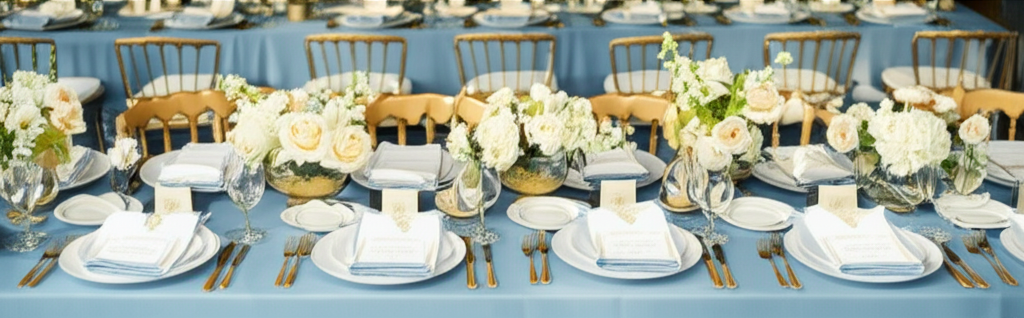
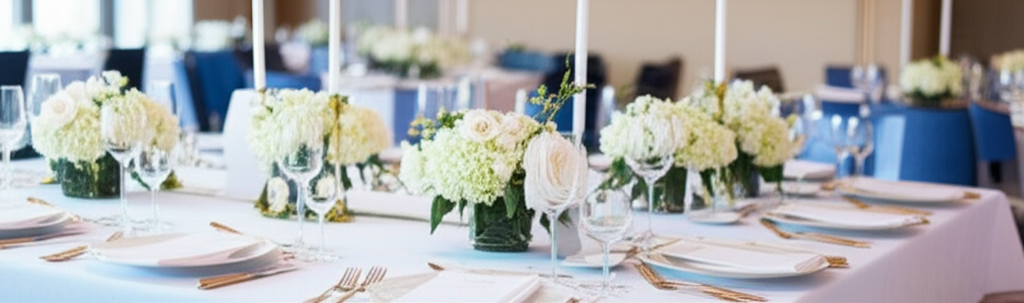
After the tables are in place, add chairs to each table setting. Ensure that there is adequate space between chairs to allow for comfortable movement. Consider adding accessories such as tablecloths, centerpieces, and place cards to enhance the overall aesthetic appeal.
Final Walkthrough
Conduct a final walkthrough to ensure that everything is in place and that the arrangement meets your expectations. Check for any potential hazards or obstructions and make any necessary adjustments. Pay attention to traffic flow and accessibility to ensure a smooth and comfortable experience for your guests.
Tips and Tricks for Maximizing the Impact of Your U-Shaped Layout
While the basic U-shaped table arrangement is already effective, there are several tips and tricks you can employ to maximize its impact and create an even more engaging and functional event space:
- Incorporate Technology: Integrate technology seamlessly into the arrangement. Provide power outlets at each table for laptops and other devices. Consider using wireless microphones for presenters to allow for greater mobility.
- Strategic Lighting: Use lighting to create a welcoming and engaging atmosphere. Consider using adjustable lighting to allow for different moods and activities.
- Comfortable Seating: Invest in comfortable seating to ensure that attendees can remain focused and engaged throughout the event. Consider using ergonomic chairs with adjustable features.
- Clear Signage: Use clear signage to guide attendees to their seats and to provide information about the event schedule and activities.
- Breaks and Refreshments: Schedule regular breaks and provide refreshments to keep attendees energized and focused. Consider setting up a refreshment station in a convenient location within the event space.
By implementing these tips and tricks, you can transform a simple U-shaped table arrangement into a dynamic and engaging event space that fosters interaction, collaboration, and learning.
U-Shaped Table Arrangement: Catering and Refreshment Considerations
When planning your U-shaped table arrangement, don't forget about catering and refreshments. The placement of food and beverage stations can significantly impact the flow of your event and the overall guest experience. Here are some key considerations to keep in mind:
- Accessibility: Ensure that catering stations are easily accessible to all attendees, including those with disabilities. Locate stations in areas with ample space for maneuvering and clear pathways.
- Traffic Flow: Position catering stations in a way that minimizes congestion and disruption to the event. Avoid placing stations in high-traffic areas or near entrances and exits.
- Visibility: Ensure that catering stations are visible to all attendees. Consider using signage to direct guests to the stations and to highlight the offerings.
- Variety: Offer a variety of food and beverage options to cater to different dietary needs and preferences. Provide vegetarian, vegan, and gluten-free options, as well as a range of beverages, including water, coffee, tea, and juice.
- Presentation: Pay attention to the presentation of the food and beverages. Use attractive serving dishes and utensils, and keep the stations clean and organized.
Consider setting up a self-service coffee and tea station at the back of the room or along a side wall. This will allow attendees to easily grab a drink without disrupting the event. You could also set up a buffet-style lunch or dinner station in a separate area to avoid overcrowding the main event space.
Common Mistakes to Avoid When Setting Up a U-Shaped Layout
While a U-shaped table arrangement can be incredibly effective, there are several common mistakes that can undermine its success. By being aware of these pitfalls and taking steps to avoid them, you can ensure that your event runs smoothly and that your guests have a positive experience.
- Overcrowding: Cramming too many tables and chairs into the space can make attendees feel cramped and uncomfortable. Ensure that there is adequate space between tables and chairs to allow for comfortable movement.
- Obstructing Views: Positioning tables or other objects in a way that obstructs views of the focal point can be frustrating for attendees. Ensure that everyone has a clear view of the presenter, screen, or stage.
- Poor Lighting: Inadequate or poorly positioned lighting can create a dull and uninviting atmosphere. Use adjustable lighting to create different moods and activities, and ensure that there is adequate lighting for reading and writing.
- Neglecting Accessibility: Failing to accommodate guests with disabilities can be a major oversight. Provide wheelchair-accessible seating and ensure that pathways are clear and unobstructed.
- Ignoring Acoustics: Poor acoustics can make it difficult for attendees to hear and participate in discussions. Use soft materials such as carpets, curtains, and acoustic panels to absorb sound and improve the acoustics of the space.
U-Shaped vs. Other Table Arrangements: A Comparison
When planning your event, you have several table arrangement options to choose from. Understanding the pros and cons of each layout can help you make the best decision for your specific needs.
U-Shaped Table Arrangement
- Pros: Fosters interaction, enhances visibility, promotes collaboration, flexible configuration, good for presentations and discussions.
- Cons: Can take up more space, may not be suitable for large groups, requires careful planning to ensure optimal traffic flow.
Classroom Style Table Arrangement
- Pros: Maximizes seating capacity, good for lectures and presentations, provides individual workspace for each attendee.
- Cons: Limited interaction, can feel impersonal, may not be suitable for group discussions or activities.
Consider the following:
Banquet Style Table Arrangement
- Pros: Suitable for large groups, encourages socializing and networking, good for meals and receptions.
- Cons: Limited interaction with the presenter, can be difficult to facilitate group discussions, may not be suitable for presentations or workshops.
Theater Style Table Arrangement
- Pros: Maximizes seating capacity, good for large audiences, focuses attention on the presenter.
- Cons: Limited interaction, can feel impersonal, not suitable for group discussions or activities.
Each layout has its strengths and weaknesses, and the best choice will depend on the specific goals and objectives of your event. If you're looking to foster interaction and engagement, a U-shaped table arrangement is an excellent choice.
Expert Tips for a Flawless U-Shaped Setup
To ensure your U-shaped table arrangement is a resounding success, consider these expert tips:
- Use Color Psychology: Incorporate colors that promote focus and engagement. Blues and greens are often good choices for learning environments.
- Optimize the Center Space: The open area within the "U" is valuable real estate. Use it for demonstrations, interactive activities, or simply to provide a clear path for presenters.
- Consider Sightlines: Walk around the room and sit in different seats to assess the sightlines. Ensure that everyone has a clear view of the focal point without obstructions.
- Provide Individual Lighting: If possible, provide individual lighting for each table setting. This will allow attendees to adjust the lighting to their preferences and improve visibility.
By following these expert tips, you can create a U-shaped table arrangement that is both functional and visually appealing, enhancing the overall event experience for your guests. Remember to leverage free tools like SeatingChartCreator.com to simplify the planning process, and don't hesitate to browse free templates for inspiration.
Frequently Asked Questions
U-shaped table arrangements are ideal for events that prioritize interaction and collaboration. This includes training workshops, board meetings, seminars, and small conferences. The layout encourages participants to engage with each other and the presenter, making it perfect for discussions and group activities. It’s also a solid choice for smaller wedding receptions seeking a more intimate and conversational atmosphere.
Get Event Planning Tips
Weekly tips on seating arrangements, event layouts, and planning strategies.
SeatingChart Team
Our team of event planning experts is dedicated to helping you create unforgettable events with perfect seating arrangements.
Ready to Create Your Seating Chart?
Start planning your perfect event layout with our free drag-and-drop seating chart creator. No sign-up required to try it out!
Try Free Seating Chart Creator