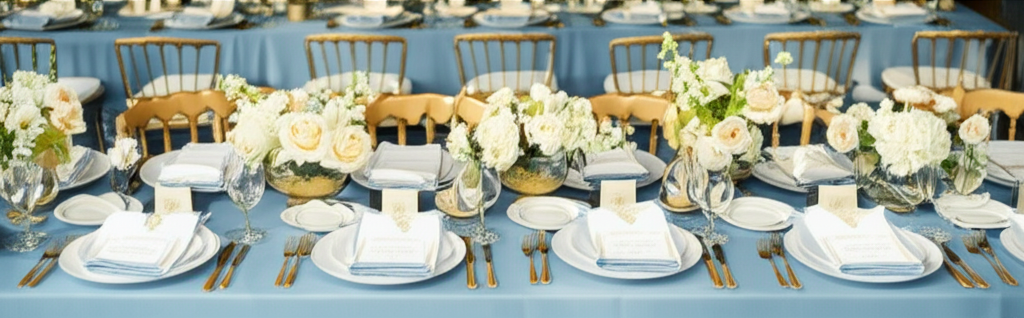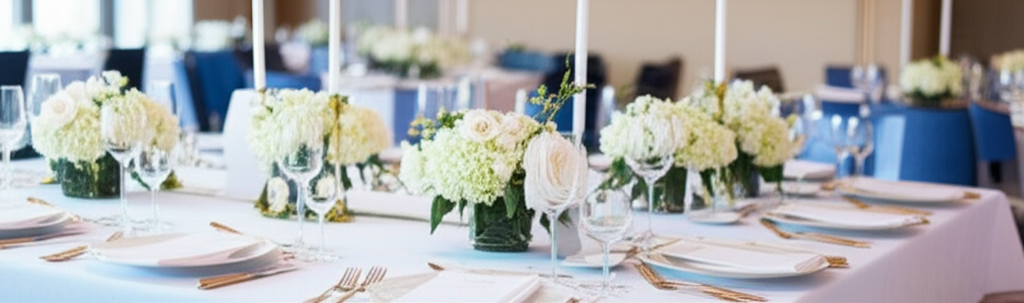
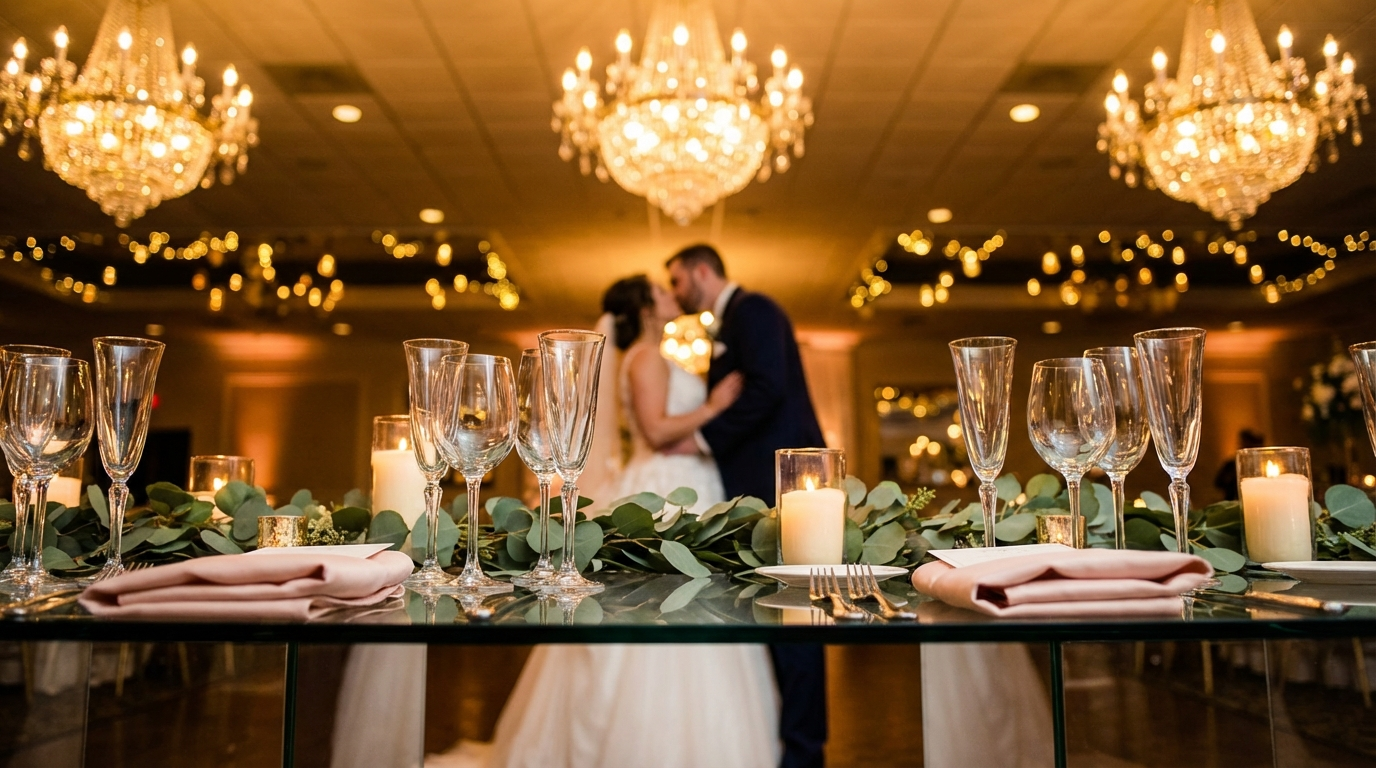
Planning a wedding is a whirlwind, and amidst the dress fittings and cake tastings, it's easy to overlook one crucial detail: the wedding table arrangements. A well-thought-out seating chart can make or break your reception, turning a lovely celebration into an awkward shuffle of mismatched personalities. Avoid the cringe-worthy moments by steering clear of these common seating mistakes. From unintentionally isolating guests to creating conversational dead zones, we'll cover 90 pitfalls to ensure your reception flows seamlessly and everyone has a fantastic time. Let's dive into the world of seating etiquette and make your big day unforgettable!
Key Takeaways
- Carefully consider guest dynamics to avoid awkward pairings or isolating individuals.
- Balance family obligations with the desire to create a fun and engaging atmosphere.
- Use a seating chart tool like SeatingChartCreator.com to easily visualize and adjust your table arrangements.
- Communicate seating decisions clearly to your guests to prevent confusion and last-minute changes.
- Don't forget to consider special needs, such as dietary restrictions or accessibility requirements.
Why Wedding Table Arrangements Matter More Than You Think
You might think that assigning seats is just a logistical formality, but in reality, your wedding seating plan wields significant power. It sets the tone for your reception, influencing everything from the flow of conversation to the overall energy of the room. A thoughtful arrangement can spark new friendships, foster a sense of community, and ensure everyone feels comfortable and included. Conversely, a poorly planned chart can lead to awkward silences, hurt feelings, and a general sense of disconnect.
Design Your Perfect Seating Chart
Free drag-and-drop seating chart creator for weddings, events, and venues. Export professional PDFs in minutes.
Create Free Seating ChartThink of your reception as a carefully curated dinner party. You wouldn't randomly throw together people who have nothing in common or, worse, actively dislike each other, would you? The same principle applies to your wedding. By strategically placing guests, you can create an environment where everyone feels welcome, engaged, and ready to celebrate your special day.
Creating a harmonious atmosphere is key, and it starts with understanding your guests. Consider their personalities, interests, and relationships with one another. Who are the natural conversationalists? Who might feel more comfortable sitting with familiar faces? Who might benefit from being introduced to someone new? Answering these questions will guide you in creating a table arrangement that promotes connection and enjoyment for all.
The Cardinal Sins of Wedding Seating: 10 Mistakes to Avoid at All Costs
Let's face it: wedding seating can be a minefield. To help you navigate it successfully, here are ten common mistakes that can lead to disaster:
- The "Singles Table": Segregating all the single guests into one designated table is a surefire way to make them feel like they're on display. Instead, integrate them into tables with friends or family who share their interests.
- Forgetting the Plus-Ones: Never underestimate the importance of making plus-ones feel welcome. Introduce them to other guests and seat them with people they're likely to connect with.
- Ignoring Family Dynamics: Divorced parents, feuding siblings, estranged cousins — be mindful of family history and seat accordingly. Keeping potential conflicts separate is always a good idea.
- Overlooking Special Needs: Consider any dietary restrictions, mobility issues, or other special needs when assigning seats. Ensure everyone has a comfortable and accessible spot.
- Isolating Introverts: While it's tempting to place shy guests with outgoing personalities, be mindful of overwhelming them. Pair them with one or two friendly faces who can draw them into the conversation.
- Seating People Too Far from the Action: Avoid relegating older guests or those with hearing difficulties to the back of the room. Ensure they have a clear view of the festivities and can easily participate.
- Creating Cliques: Resist the urge to seat everyone with their existing friend groups. Instead, mix things up to encourage new connections and broaden horizons.
- Ignoring Language Barriers: If you have guests who speak different languages, try to seat them with others who can communicate with them.
- Forgetting the Kids: If you're having children at your wedding, consider their needs when assigning seats. A designated kids' table with age-appropriate activities can keep them entertained.
- Leaving it to the Last Minute: Don't wait until the week before your wedding to start thinking about seating. Give yourself plenty of time to carefully consider your options and make informed decisions.
Crafting the Perfect Seating Chart: A Step-by-Step Guide
Creating the ideal wedding seating chart doesn't have to be a daunting task. Follow these steps to ensure a smooth and stress-free process:
Gather Your Guest List
Compile a complete and accurate list of all your confirmed guests. Include any relevant information, such as their relationship to you, their plus-one's name, and any special needs or dietary restrictions.
Determine Your Table Layout
Work with your venue to determine the number of tables and their configuration. Consider the size and shape of the room, as well as the overall aesthetic you're trying to achieve. Round tables generally encourage conversation, while rectangular tables can be more space-efficient.
Categorize Your Guests
Divide your guests into groups based on their relationships to you and to each other. This will help you identify natural pairings and avoid potential conflicts.
Start Assigning Seats
Begin by placing your VIP guests — parents, grandparents, and bridal party members — at the head table or in prominent locations. Then, start filling in the remaining tables, considering the factors we discussed earlier.
Use a Seating Chart Tool
Utilize a free online seating chart tool like SeatingChartCreator.com to visualize your table arrangements and easily make adjustments. Our drag-and-drop interface makes it simple to experiment with different configurations until you find the perfect fit.
Get Feedback
Share your seating chart with trusted friends or family members for feedback. They may have insights you hadn't considered or spot potential issues you overlooked.
Finalize and Communicate
Once you're satisfied with your seating chart, finalize it and communicate the assignments to your guests. You can include seating cards at the reception or display a large chart near the entrance.
Balancing Family Expectations with Guest Enjoyment
One of the biggest challenges in creating wedding table arrangements is navigating family expectations. Parents, in-laws, and other relatives may have strong opinions about who should sit where. While it's important to respect their wishes, remember that your wedding is ultimately about you and your partner. Strive to find a balance between honoring family traditions and creating an enjoyable experience for all your guests.
Open communication is key. Talk to your family members about your seating plans and explain your rationale. Be willing to compromise, but don't be afraid to stand your ground if you feel strongly about a particular arrangement. If necessary, find alternative ways to honor their requests, such as including them in the ceremony or giving them a special toast.
Remember, a happy guest list makes for a happy couple. While family input can be valuable, don't let it overshadow your own vision for your wedding seating plan. Trust your instincts and prioritize creating an atmosphere that reflects your unique style and preferences.
Table Shapes and Sizes: How They Impact Your Seating Arrangement
The shape and size of your tables play a crucial role in determining the overall flow and feel of your reception. Each option has its own advantages and disadvantages, so it's important to choose wisely based on your venue, guest count, and desired aesthetic.
Round Tables
- Pros: Better for conversation, encourages interaction, classic elegant look, allows for easy movement around the table.
- Cons: Can take up more space, may not be ideal for large groups, can sometimes feel less formal.
Rectangular Tables
- Pros: More space-efficient, modern aesthetic, can accommodate larger groups, allows for dramatic centerpieces.
- Cons: Can be difficult for conversation across the table, may feel less intimate, requires careful planning to ensure everyone has a good view.
Consider the following when choosing your table shapes and sizes:
- Guest Count: How many guests are you expecting? Make sure you have enough tables to comfortably accommodate everyone.
- Venue Size: How much space do you have to work with? Choose table shapes and sizes that fit well in the room without feeling cramped.
- Desired Atmosphere: What kind of vibe are you hoping to create? Round tables tend to be more conducive to conversation and intimacy, while rectangular tables can create a more formal and structured feel.
- Budget: Some table shapes and sizes may be more expensive to rent than others. Factor this into your decision-making process.
Seating Chart Templates: Inspiration and Ideas to Get You Started
Feeling overwhelmed by the prospect of creating a seating chart from scratch? Don't worry, there are plenty of resources available to help you get started. Online platforms like SeatingChartCreator.com offer a variety of free templates that you can customize to fit your specific needs.
These templates can provide inspiration and guidance, helping you visualize different seating arrangements and experiment with various table configurations. You can also find templates online that cater to specific wedding styles, such as rustic, modern, or traditional.
When choosing a template, consider the following:
- Your Guest Count: Make sure the template can accommodate the number of guests you're expecting.
- Your Table Layout: Choose a template that matches the shape and size of your tables.
- Your Wedding Style: Select a template that complements your overall wedding aesthetic.
- Your Level of Comfort: Opt for a template that's easy to use and customize, especially if you're not tech-savvy.
Remember, these templates are just a starting point. Feel free to adapt them to your own unique preferences and create a seating chart that truly reflects your personal style.
Check out our Free Templates to get inspired!
The Power of Place Cards: Adding a Personal Touch
While a seating chart provides the overall framework for your reception, place cards add a personal touch and guide guests to their assigned seats. They also offer an opportunity to showcase your creativity and tie in with your wedding theme.
Place cards can be simple and elegant, featuring just the guest's name and table number. Or, they can be more elaborate, incorporating calligraphy, illustrations, or personalized messages. Consider using unique materials, such as wood, stone, or leaves, to add a rustic or natural element.
When designing your place cards, keep the following in mind:
- Legibility: Make sure the names are easy to read, even from a distance.
- Consistency: Use the same font and style as your other wedding stationery.
- Placement: Place the cards in a prominent location near the entrance to the reception area.
- Personalization: Consider adding a small detail that reflects the guest's personality or relationship to you.
Place cards are a small detail that can make a big impact. They show your guests that you've put thought and care into their seating arrangements, making them feel valued and appreciated.
Dealing with Last-Minute Changes and No-Shows
Despite your best efforts, last-minute changes and no-shows are an inevitable part of wedding planning. Someone might get sick, a flight might get canceled, or a guest might simply forget to RSVP. It's important to have a plan in place for dealing with these unexpected situations.
Here are a few tips for handling last-minute changes:
- Stay Flexible: Be prepared to adjust your seating chart on the fly. Have a backup plan in mind in case someone cancels at the last minute.
- Designate a Point Person: Assign someone the task of managing seating changes on the day of the wedding. This could be your wedding planner, a trusted friend, or a family member.
- Keep Extra Place Cards on Hand: Have a few blank place cards available in case you need to add someone to the seating chart at the last minute.
- Don't Stress: Remember that things rarely go exactly as planned. Take a deep breath and focus on enjoying your special day.
No-shows are equally frustrating, but they're also a reality of wedding planning. If someone doesn't show up, simply remove their place card and adjust the seating accordingly. Don't dwell on it — focus on the guests who are there to celebrate with you.
Common Mistakes to Avoid When Planning Your Wedding Seating Chart
Even with the best intentions, it's easy to make mistakes when planning your wedding seating chart. Here are a few common pitfalls to avoid:
- Not considering guest dynamics: Placing people who don't get along at the same table can create awkwardness and tension.
- Ignoring dietary restrictions or allergies: Make sure your caterer is aware of any dietary needs and that guests are seated accordingly.
- Forgetting about accessibility: Ensure that guests with mobility issues have easy access to their seats and that there are no obstructions in their way.
- Seating children too far from their parents: If you're having children at your wedding, make sure they're seated close to their parents for supervision and comfort.
- Not communicating your seating plan clearly: Make sure your guests know where they're supposed to sit and that there are clear instructions for finding their seats.
By avoiding these common mistakes, you can create a seating chart that promotes a positive and enjoyable experience for all your guests.
Expert Tips for Creating a Memorable Seating Experience
Want to take your wedding seating arrangements to the next level? Here are a few expert tips for creating a truly memorable experience for your guests:
- Create a Welcoming Atmosphere: Greet guests warmly as they arrive and help them find their seats. This will set a positive tone for the reception.
- Incorporate Conversation Starters: Place small games or conversation starters on the tables to encourage interaction and break the ice.
- Personalize the Place Settings: Add a small gift or personalized note to each place setting to show your guests how much you appreciate them.
- Create a Photo Booth: Set up a photo booth near the reception area to encourage guests to mingle and take fun photos.
- Play Music: Choose music that's upbeat and appropriate for all ages. This will help create a festive and lively atmosphere.
By incorporating these expert tips, you can create a seating experience that your guests will remember for years to come.
Frequently Asked Questions
Ideally, you should aim to finalize your wedding seating plan about 2-3 weeks before the big day. This allows enough time to account for any last-minute RSVPs or changes in guest availability. It also gives you a buffer to communicate the seating arrangements to your caterer and create place cards or escort cards.
Get Event Planning Tips
Weekly tips on seating arrangements, event layouts, and planning strategies.
SeatingChart Team
Our team of event planning experts is dedicated to helping you create unforgettable events with perfect seating arrangements.
Ready to Create Your Seating Chart?
Start planning your perfect event layout with our free drag-and-drop seating chart creator. No sign-up required to try it out!
Try Free Seating Chart Creator