Planning a wedding is an exciting journey, but let’s be honest, it comes with its fair share of potential headaches. One of the most notorious tasks? The wedding seating chart. What might seem like a simple puzzle can quickly turn into a logistical nightmare, and that’s where wedding seating chart apps come in. But before you jump headfirst into the digital planning world, it's crucial to understand that not all apps are created equal. In fact, a surprising number of couples (around 30%, according to some wedding planners!) end up regretting their initial app choice. Why? Because a poorly designed or overly complicated app can add stress instead of relieving it. It’s about finding the right tool to make the process seamless and enjoyable. Your peace of mind is worth it!
Key Takeaways
- Choosing the right wedding seating chart app can significantly reduce wedding planning stress.
- Many couples regret their initial app choice due to complexity or lack of features.
- Consider factors like ease of use, collaboration features, and guest list integration when selecting an app.
- A well-planned seating arrangement enhances guest experience and overall wedding atmosphere.
- SeatingChartCreator.com offers a free and intuitive solution for creating your wedding seating plan.
Why Do Brides Regret Their Wedding Seating Chart App Choice?
So, what exactly causes that 30% regret rate when it comes to wedding seating chart apps? It boils down to a few key factors. First, many apps promise simplicity but deliver complexity. An overwhelming interface, a steep learning curve, and a lack of intuitive features can quickly turn the seating arrangement process into a frustrating ordeal. No one wants to spend hours wrestling with technology when they could be finalizing floral arrangements or cake flavors!
Design Your Perfect Seating Chart
Free drag-and-drop seating chart creator for weddings, events, and venues. Export professional PDFs in minutes.
Create Free Seating ChartAnother common issue is the lack of collaboration features. Wedding planning often involves input from multiple people – the couple, their families, and sometimes even a wedding planner. If the app doesn't allow for easy sharing and collaborative editing, it can lead to miscommunication and delays. Imagine trying to coordinate seating arrangements via email threads – a recipe for disaster!
Finally, integration with guest list management is crucial. If the app doesn't seamlessly import your guest list, you're stuck manually entering hundreds of names – a tedious and time-consuming task. A good wedding seating chart app should streamline this process, making it easy to manage guest information and assign seats efficiently.
Key Features to Look for in a Wedding Seating Chart App
Now that you know the pitfalls to avoid, let's delve into the essential features that a successful wedding seating chart app should offer. The first, and arguably most important, is ease of use. The app should have an intuitive interface that's easy to navigate, even for those who aren't tech-savvy. Look for drag-and-drop functionality, clear labeling, and helpful tutorials to guide you through the process.
Collaboration is another must-have feature. The app should allow multiple users to access and edit the seating chart simultaneously. This fosters teamwork and ensures that everyone is on the same page. Real-time updates and commenting features can further enhance collaboration.
Guest list integration is also crucial. The app should seamlessly import guest lists from spreadsheets or other sources. It should also allow you to easily add new guests, edit existing guest information, and track RSVPs. Advanced features like the ability to categorize guests (e.g., family, friends, colleagues) can also be incredibly helpful.
Finally, consider customization options. The app should allow you to customize the layout of your venue, including the size and shape of tables, the placement of the dance floor, and other key elements. The ability to add notes and special instructions for each table can also be beneficial.
Step-by-Step Guide: Creating Your Wedding Seating Chart with Ease
Ready to tackle your wedding seating plan? Here’s a step-by-step guide to help you create a seating chart that’s stress-free and effective. You can even use a tool like SeatingChartCreator.com to make the process even smoother! It's free and very intuitive.
Gather Your Guest List
Start by compiling a complete and accurate guest list. Include each guest's name, contact information, and RSVP status. It's also helpful to categorize guests based on their relationship to you (e.g., family, friends, colleagues).
Obtain Your Venue Layout
Get a detailed floor plan of your wedding venue. This should include the dimensions of the room(s), the location of tables, the dance floor, the head table, and any other relevant features. If possible, get a digital version of the floor plan that you can upload to your wedding seating chart app.
Import Your Guest List into the App
Once you've chosen your app, import your guest list. Most apps allow you to import from a spreadsheet or other file format. Double-check that all the information is imported correctly.
Recreate Your Venue Layout in the App
Use the app's tools to recreate your venue layout. This involves adding tables, chairs, and other features to the digital floor plan. Be sure to accurately reflect the size and shape of each table.
Start Assigning Seats
Now comes the fun part – assigning seats! Start by placing VIP guests, such as family members and close friends. Then, work your way through the rest of the guest list, considering factors like relationships, interests, and personalities. Don't be afraid to experiment and make adjustments as needed.
Review and Finalize Your Seating Chart
Once you've assigned all the seats, take a step back and review your seating chart. Make sure that everyone is seated with people they know and will enjoy spending time with. Get feedback from your partner, family members, or wedding planner. Once you're satisfied, finalize your seating chart and export it in a format that you can share with your venue and caterer.
Tips for Perfectly Arranging Your Wedding Tables
Creating the perfect table arrangement for your wedding involves more than just assigning seats. It's about crafting an atmosphere that encourages conversation, fosters connections, and ensures everyone has a great time. Here are some tips to help you master the art of table arrangement.
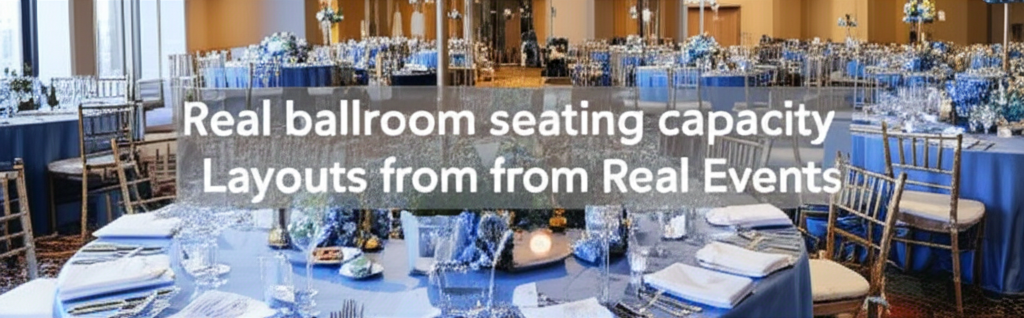
First, consider the size and shape of your tables. Round tables are generally considered to be more conducive to conversation, as they allow guests to easily see and interact with everyone at the table. Rectangular tables, on the other hand, can be more space-efficient and create a more formal look. The ideal number of guests per table depends on the size of the table and the overall layout of the venue. Aim for a comfortable spacing that allows guests to move around easily.
Next, think about the placement of tables. The head table, where the wedding couple sits, should be positioned in a prominent location that allows them to see and be seen by all the guests. Consider placing tables with older guests further away from the dance floor to minimize noise levels. Also, be mindful of sightlines. Make sure that guests have a clear view of the ceremony or reception area.
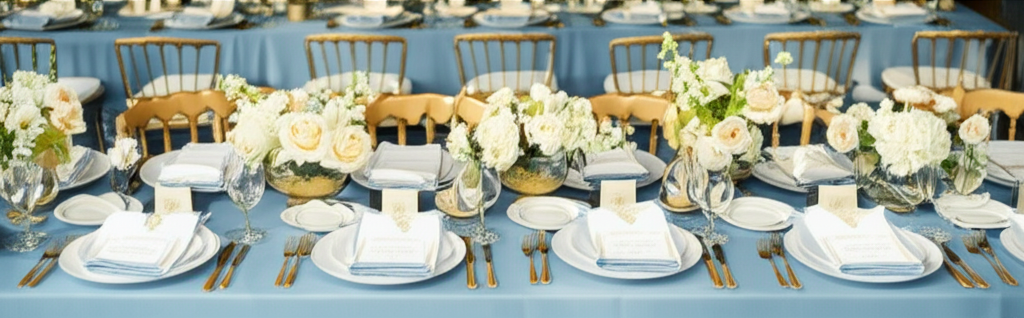
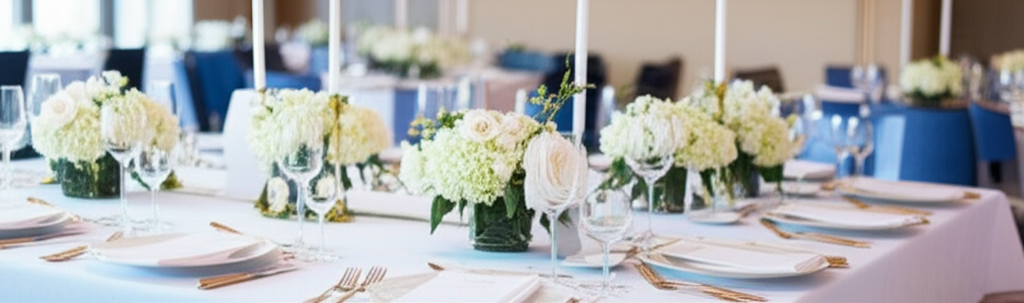
Finally, pay attention to the details. Table linens, centerpieces, and place settings can all contribute to the overall ambiance of your wedding. Choose colors and textures that complement your wedding theme. Keep centerpieces at a height that doesn't obstruct guests' views. And don't forget to add personal touches, such as handwritten place cards or small favors.
Strategies for Handling Difficult Seating Chart Situations
Let's face it, creating a wedding seating chart isn't always smooth sailing. You're bound to encounter some tricky situations, whether it's divorced parents, feuding relatives, or guests with special needs. Here are some strategies for navigating these challenges with grace and diplomacy.
When dealing with divorced parents, the key is to be sensitive and respectful. Seat them at separate tables, preferably with people they know and enjoy spending time with. Avoid placing them in close proximity to each other, as this could create tension and discomfort. If possible, talk to each parent individually to get their input and address any concerns they may have.
Feuding relatives can also be a challenge. The best approach is to keep them separated as much as possible. Seat them at different tables, far away from each other. If you're concerned that they might still cause problems, consider asking a trusted friend or family member to keep an eye on them. You could even have a conversation with them beforehand, reminding them that your wedding is a time for celebration and unity, not conflict.
Guests with special needs require extra consideration. Make sure that their tables are easily accessible and close to restrooms or other amenities. If a guest has a hearing impairment, seat them near the front of the room, where they can easily hear the speeches and toasts. If a guest has a dietary restriction, inform the caterer in advance and ensure that they are served a suitable meal.
Wedding Seating Chart Examples and Templates
Sometimes, the best way to get inspired is to look at examples. Here are a couple of different seating chart scenarios, along with the reasoning behind the arrangements. You can also find free templates online to help you get started. For example, SeatingChartCreator.com offers Free Templates you can customize.
Scenario 1: Small, Intimate Wedding (50 Guests)
- Table Arrangement: One long, rectangular table for the wedding party and immediate family, surrounded by smaller round tables for other guests.
- Reasoning: The long table creates a sense of unity and intimacy among the closest family members. The round tables encourage conversation among the other guests, fostering a relaxed and welcoming atmosphere.
Scenario 2: Large, Formal Wedding (200 Guests)
- Table Arrangement: A mix of round and rectangular tables, strategically placed to maximize space and create visual interest. The head table is elevated and positioned in a prominent location.
- Reasoning: The mix of table shapes adds variety and prevents the room from feeling too uniform. The elevated head table ensures that the wedding couple is visible to all the guests.
Remember that these are just examples. The best seating chart for your wedding will depend on your specific needs and preferences. Don't be afraid to experiment and find what works best for you!
Common Mistakes to Avoid When Creating Your Seating Chart
Creating a wedding seating plan can be tricky. Here are some common mistakes to avoid that can lead to stress and unhappy guests:
One common mistake is neglecting to consider guest relationships. Avoid seating people who don't know each other next to each other, as this can lead to awkward silences and uncomfortable conversations. Similarly, be careful about seating exes or people who have a history of conflict near each other. The goal is to create a harmonious and enjoyable atmosphere for everyone.
Another mistake is failing to balance the tables. Make sure that each table has a mix of personalities and interests. Avoid creating tables that are dominated by one particular group or clique. This will ensure that everyone feels included and engaged.
Expert Tips and Pro Advice for Seating Chart Success
Want to take your seating chart to the next level? Here's some expert advice from professional wedding planners:
"Start with the VIPs," says renowned wedding planner, Sarah Miller. "Place your immediate family and closest friends first. These are the people who are most important to you, so make sure they have the best seats in the house."
"Don't be afraid to mix and match," advises event designer, David Chen. "A well-balanced table is a table that has a mix of personalities, interests, and ages. This will create a more dynamic and engaging atmosphere."
"Communicate with your guests," suggests etiquette expert, Emily Post. "If you're unsure about where to seat someone, don't be afraid to ask them for their input. They may have preferences or concerns that you're not aware of."
Frequently Asked Questions
Ideally, you should start working on your seating chart about 4-6 weeks before your wedding. This gives you enough time to finalize your guest list, receive RSVPs, and make adjustments as needed. Starting too early can be problematic, as your guest list may change or new relationships may form.
Get Event Planning Tips
Weekly tips on seating arrangements, event layouts, and planning strategies.
SeatingChart Team
Our team of event planning experts is dedicated to helping you create unforgettable events with perfect seating arrangements.
Ready to Create Your Seating Chart?
Start planning your perfect event layout with our free drag-and-drop seating chart creator. No sign-up required to try it out!
Try Free Seating Chart Creator