The conference seating arrangement Formula Top Event Planners Use

Organizing a successful conference in 2026 requires meticulous planning, and one often-overlooked element is the conference seating arrangement. The way you set up your room can significantly impact attendee engagement, networking opportunities, and the overall atmosphere of the event. A well-thought-out seating plan fosters interaction, ensures optimal visibility, and contributes to a positive and productive environment. But where do you even start? From choosing the right layout to assigning seats strategically, many factors come into play. This comprehensive guide will provide you with the insights and strategies top event planners use to create the perfect conference seating arrangement.
Key Takeaways
- Choosing the right seating style (theater, classroom, banquet, etc.) is crucial for meeting your conference goals.
- Strategic seat assignments can encourage networking and facilitate interaction among attendees.
- Tools like SeatingChartCreator.com can simplify the planning process and ensure optimal space utilization.
- Consider accessibility needs and ensure comfortable seating for all participants.
- A well-planned seating arrangement enhances attendee engagement and contributes to a successful conference.
Why Your Conference Seating Arrangement Matters
You might think that conference seating arrangement is a minor detail, but it's actually a crucial factor that directly influences the success of your event. The arrangement impacts everything from how well attendees can see and hear the speakers to how easily they can network and collaborate with each other. A poorly planned seating arrangement can lead to disengaged participants, missed opportunities for connection, and an overall negative experience. Conversely, a thoughtfully designed layout can foster a sense of community, encourage active participation, and create a more dynamic and productive environment. Think about it: would you rather sit crammed in the back corner of a crowded room, or in a comfortable seat with a clear view of the stage?
Design Your Perfect Seating Chart
Free drag-and-drop seating chart creator for weddings, events, and venues. Export professional PDFs in minutes.
Create Free Seating ChartA well-executed seating plan isn't just about aesthetics; it's about creating an environment conducive to learning, networking, and achieving the goals of your conference. It's about making your attendees feel valued, comfortable, and engaged. It's a subtle but powerful way to elevate the overall conference experience and ensure that your event is a resounding success. Consider how the seating arrangement can facilitate different activities, such as small group discussions, Q&A sessions, and keynote presentations. Each activity may require a different type of layout to optimize participation and interaction.
Understanding Different Conference Seating Styles
Selecting the right conference seating style is fundamental to creating an effective event. There are several popular options, each with its own advantages and disadvantages. Common options include theater style, classroom style, banquet style, U-shape, and boardroom style. The best choice for your conference will depend on the specific objectives of your event, the size of your audience, and the type of activities you have planned.
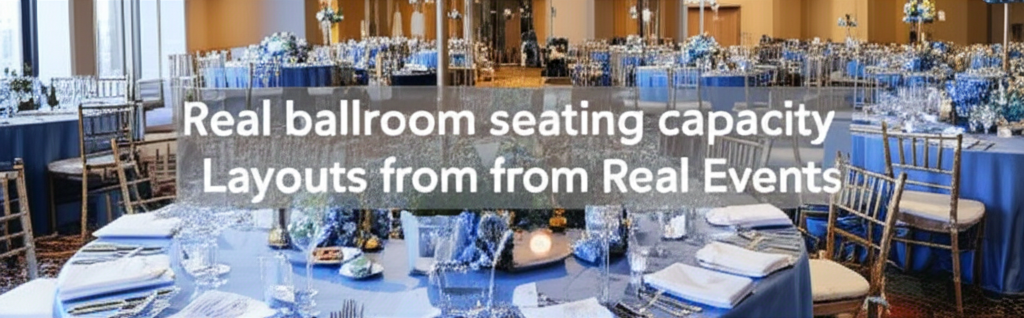
Theater Style: This arrangement features rows of chairs facing the stage or presentation area. It's ideal for large audiences and events focused on presentations or keynote speeches. However, it doesn't promote interaction among attendees. Classroom Style: This setup includes rows of tables with chairs, allowing attendees to take notes and use laptops. It's suitable for workshops, training sessions, and conferences with a strong educational component. Banquet Style: Round tables are used to seat groups of attendees, fostering conversation and networking. This style is often used for luncheons, dinners, and events where social interaction is a priority. U-Shape: Tables are arranged in a U-shape, with chairs facing inward. This layout promotes discussion and interaction, making it ideal for smaller workshops and meetings. Boardroom Style: A single, large table is used to seat all attendees. This style is best suited for small, intimate meetings and decision-making sessions.
Consider your event's goals when making your choice. Is the primary objective to deliver information, facilitate collaboration, or encourage networking? Your answer will guide you towards the most appropriate table arrangement.
How to Choose the Perfect Seating Arrangement for Your Conference
Choosing the perfect conference seating arrangement involves careful consideration of several key factors. Here's a step-by-step guide to help you make the right decision:
Define Your Conference Goals
What do you want to achieve with your conference? Is it focused on education, networking, collaboration, or a combination of these? Clearly defining your goals will help you determine the most appropriate seating style.
Assess Your Venue
Obtain accurate floor plans and measurements of your venue. Consider the size and shape of the room, as well as any obstructions or limitations. This will help you determine the maximum number of attendees you can comfortably accommodate and the types of seating arrangements that are feasible.
Consider Your Audience
Think about the demographics and needs of your audience. Will they primarily be listening to presentations, participating in workshops, or networking with each other? Consider accessibility requirements and ensure that there is adequate space for attendees with disabilities.
Evaluate Different Seating Styles
Compare the advantages and disadvantages of different seating styles, considering your conference goals, venue constraints, and audience needs. Create a list of potential options and rank them based on their suitability for your event.
Create a Seating Chart
Use a tool like SeatingChartCreator.com to create a visual representation of your chosen seating arrangement. This will help you visualize the layout and ensure that it meets your requirements. Experiment with different configurations and make adjustments as needed.
Gather Feedback
Share your seating chart with key stakeholders, such as speakers, sponsors, and venue staff. Gather their feedback and make any necessary adjustments. It's always a good idea to get a second opinion before finalizing your plan.
By following these steps, you can choose a conference seating arrangement that maximizes attendee engagement, facilitates networking, and contributes to the overall success of your event. Remember to prioritize functionality, comfort, and accessibility when making your decision.
Quick Summary
Choosing the right seating involves defining goals, assessing the venue, understanding your audience, and using tools to visualize the layout. Feedback is essential before finalizing the plan.
The Power of Strategic Seat Assignments
While the overall seating layout is important, strategic seat assignments can take your conference to the next level. Assigning seats thoughtfully can foster connections, encourage networking, and create a more inclusive environment. Consider the following strategies:
- Mix and Match: Don't let attendees sit with the same people they always do. Mix up departments, seniority levels, and even industries to spark new conversations and collaborations.
- Targeted Introductions: If you know two attendees have shared interests or could benefit from connecting, seat them near each other and encourage them to introduce themselves.
- VIP Treatment: Ensure VIP guests and speakers have prime seating locations with optimal visibility and comfort.
- Accessibility Needs: Prioritize attendees with disabilities by providing accessible seating options that meet their specific requirements.
Think about the personalities and interests of your attendees. Are there any individuals who would benefit from connecting with each other? Seating them near each other can be a catalyst for valuable conversations and collaborations. You can gather information about attendee interests and backgrounds through registration forms or pre-conference surveys. Use this data to inform your seating plan and create opportunities for meaningful connections.
Tools and Technology to Simplify Seating Chart Creation
Creating a conference seating chart can be a complex and time-consuming task, especially for large events. Fortunately, several tools and technologies can simplify the process and ensure accuracy. One such tool is SeatingChartCreator.com, a free online platform that allows you to create and manage your seating chart with ease.
SeatingChartCreator.com offers a user-friendly interface with drag-and-drop functionality, making it simple to add tables, chairs, and attendees. You can customize the layout to match your venue's floor plan and assign seats with just a few clicks. The platform also allows you to import guest lists from spreadsheets, making it easy to manage large numbers of attendees. With SeatingChartCreator.com, you can eliminate the headaches of manual seating chart creation and focus on other important aspects of your conference planning.
Other helpful technologies include:
- Venue Mapping Software: These tools provide detailed floor plans and 3D renderings of venues, allowing you to visualize your seating arrangement in a realistic setting.
- Attendee Management Systems: Many event management platforms include seating chart features that integrate with registration data, making it easy to assign seats based on attendee profiles.
- Mobile Apps: Some event apps allow attendees to view the seating chart and find their assigned seats, eliminating confusion and streamlining the check-in process.
By leveraging these tools and technologies, you can streamline the seating chart creation process, improve accuracy, and enhance the overall attendee experience.
Maximizing Networking Opportunities Through Seating
One of the primary goals of many conferences is to facilitate networking among attendees. A well-designed conference seating arrangement can play a crucial role in maximizing these opportunities. Consider these strategies to encourage interaction and connection:
- Round Tables: Round tables are ideal for fostering conversation and interaction. They allow attendees to easily see and speak with everyone at the table.
- Mix and Match Industries: Intentionally seat attendees from different industries or departments at the same table to encourage cross-pollination of ideas and perspectives.
- Designate Networking Zones: Create dedicated areas with comfortable seating where attendees can relax and mingle during breaks.
- Facilitate Icebreakers: Start each session with a brief icebreaker activity to help attendees get to know each other.
Think about the flow of traffic within your venue. Are there natural gathering points where attendees tend to congregate? Position networking zones in these areas to maximize visibility and encourage spontaneous interactions. You can also use signage to direct attendees to specific networking areas and promote scheduled networking events.
The goal is to create a welcoming and inclusive environment where attendees feel comfortable approaching new people and engaging in meaningful conversations. By thoughtfully designing your conference seating arrangement, you can significantly enhance networking opportunities and create a more valuable experience for your attendees.
Conference Seating Arrangement Examples and Templates
To give you some inspiration, here are a couple of conference seating arrangement examples and templates:
Example 1: Large Conference with Keynote Speakers
- Seating Style: Theater Style
- Description: Rows of chairs facing the stage. Ideal for delivering keynotes to a large audience.
- Strategic Seating: VIPs in the front rows, accessible seating clearly marked.
Example 2: Interactive Workshop
- Seating Style: Classroom Style or U-Shape
- Description: Tables and chairs allowing attendees to take notes and participate in discussions. U-Shape fosters more interaction.
- Strategic Seating: Group attendees by skill level or interest for focused collaboration.
You can also find free templates online to help you get started. Many event planning websites and software platforms offer customizable seating chart templates that you can adapt to your specific needs. These templates typically include pre-designed layouts for various seating styles, as well as tools for adding tables, chairs, and attendees. Remember to customize the template to reflect your venue's floor plan and your conference objectives.
Free Templates can save you time and effort, especially if you're new to conference seating arrangement. They provide a solid foundation upon which you can build a customized plan that meets your unique requirements.
Common Mistakes to Avoid in Your Conference Seating Arrangement
Even with careful planning, it's easy to make mistakes when arranging your conference seating. Here are some common pitfalls to avoid:
- Ignoring Sightlines: Make sure all attendees have a clear view of the stage or presentation area. Avoid placing obstructions in front of seating areas.
- Overcrowding: Don't try to cram too many people into the room. Ensure there is adequate space for attendees to move around comfortably.
- Neglecting Acoustics: Consider the acoustics of the room and position speakers and microphones accordingly. Avoid placing seating areas in areas with poor sound quality.
- Failing to Plan for Breaks: Designate areas for attendees to stretch their legs, grab refreshments, and network during breaks.
Another common mistake is not considering the flow of traffic within the venue. Make sure there are clear pathways for attendees to move between seating areas, restrooms, and refreshment stations. Avoid creating bottlenecks that can cause congestion and frustration.
Expert Tips for a Flawless Conference Seating Arrangement
Want to take your conference seating arrangement to the next level? Here are some expert tips from seasoned event planners:
- Visit the Venue in Person: Before finalizing your seating chart, visit the venue in person to get a feel for the space and identify any potential challenges.
- Use Technology to Your Advantage: Leverage tools like SeatingChartCreator.com to create accurate and visually appealing seating charts.
- Solicit Feedback: Ask for feedback from speakers, sponsors, and attendees to identify areas for improvement.
- Be Flexible: Be prepared to make adjustments to your seating arrangement on the day of the event, as needed.
Consider the overall ambiance you want to create. Do you want a formal and professional atmosphere, or a more relaxed and casual vibe? Your seating arrangement can contribute to the overall mood of your event. For example, using soft lighting and comfortable seating can create a more inviting and relaxed atmosphere.
By following these expert tips, you can create a conference seating arrangement that is both functional and aesthetically pleasing, contributing to a positive and memorable experience for your attendees. And check More Event Planning Tips for more expert advice.
Frequently Asked Questions
The ideal amount of space between tables depends on the seating style and the size of the room. Generally, you should aim for at least 3 feet of space between tables to allow attendees to move around comfortably. For banquet-style seating, you may need even more space to accommodate chairs and allow for easy access to the tables.
Get Event Planning Tips
Weekly tips on seating arrangements, event layouts, and planning strategies.
SeatingChart Team
Our team of event planning experts is dedicated to helping you create unforgettable events with perfect seating arrangements.
Ready to Create Your Seating Chart?
Start planning your perfect event layout with our free drag-and-drop seating chart creator. No sign-up required to try it out!
Try Free Seating Chart Creator