7 Event and Planning Disasters Making Guests Cringe (Avoid #3)
Planning an event, whether it's a wedding, a corporate gala, or even a small birthday party, can feel like navigating a minefield. You want everything to be perfect, but even the best-laid plans can go awry. From seating snafus to catering catastrophes, seemingly small details can quickly escalate into major guest grievances. Knowing the common pitfalls in event and planning is the first step in ensuring your event is a smashing success, leaving your guests impressed and delighted, not cringing.
Key Takeaways
- Poor seating arrangements can significantly impact guest experience.
- Underestimating food and beverage quantities is a common and easily avoidable error.
- Lack of clear communication with vendors can lead to costly misunderstandings.
- Failing to accommodate dietary restrictions and allergies is a major oversight.
- Technology glitches, especially with presentations or music, can disrupt the flow of the event.
The Dreaded Seating Chart Disaster
Ah, the seating chart—a seemingly simple task that can quickly become a source of immense stress. A poorly planned table arrangement can lead to awkward conversations, social isolation, and overall guest dissatisfaction. Imagine being stuck at a table with people you have absolutely nothing in common with, or worse, sitting next to someone you actively dislike. This is a surefire way to make even the most festive occasion feel like a chore.
The key to a successful seating chart is thoughtful consideration. Don't just randomly assign guests to tables. Instead, take the time to understand their personalities, interests, and relationships. Consider who would enjoy each other's company and who might have interesting conversations. Grouping people with similar backgrounds or hobbies is often a good strategy. And remember, a little bit of strategic mixing can also be beneficial, introducing guests to new connections they might not otherwise make.
Tools like SeatingChartCreator.com can be incredibly helpful in this process. Our free, easy-to-use, drag-and-drop interface allows you to visualize your room layout, experiment with different seating plans, and make adjustments on the fly. No more messy spreadsheets or sticky notes! With SeatingChartCreator.com, you can create the perfect seating arrangement that ensures everyone has a fantastic time.
Design Your Perfect Seating Chart
Free drag-and-drop seating chart creator for weddings, events, and venues. Export professional PDFs in minutes.
Create Free Seating ChartRunning Out of Food or Drinks
Imagine attending an event where the food runs out halfway through, or the bar runs dry before the dancing even begins. It's not just embarrassing for the host; it's a major inconvenience for the guests. Underestimating the amount of food and beverages needed is a classic event and planning blunder that can leave attendees feeling hungry, thirsty, and decidedly unimpressed.
Accurately calculating food and drink quantities is crucial. Consult with your caterer or event planner to determine the appropriate amounts based on your guest count, the duration of the event, and the type of food and beverages being served. Consider factors like the time of day (a brunch will require different quantities than a dinner), the age range of your guests (children typically eat less), and the overall atmosphere of the event (a lively party will likely require more drinks).
Don't forget to account for unexpected guests or last-minute additions. It's always better to have a little extra than to run out. And consider having backup options readily available, such as extra appetizers or a simple dessert that can be quickly prepared if needed. Nobody wants to see a host scrambling for snacks because they miscalculated the headcount.
Vendor Communication Breakdown
Your vendors are essential partners in making your event a success. From the caterer to the florist to the DJ, each vendor plays a critical role in bringing your vision to life. However, a breakdown in communication with these vendors can lead to costly misunderstandings, missed deadlines, and ultimately, a disappointing event.
Clear and consistent communication is paramount. Establish detailed contracts with all your vendors, outlining their responsibilities, timelines, and payment terms. Schedule regular check-in meetings to discuss progress, address any concerns, and ensure everyone is on the same page. Provide vendors with accurate guest counts, floor plans, and any other relevant information they need to perform their jobs effectively.
Don't assume that your vendors understand your vision implicitly. Be explicit about your expectations, providing them with examples, inspiration boards, and detailed instructions. And be sure to designate a point person who can serve as the primary contact for all vendors, streamlining communication and preventing confusion. A well-coordinated vendor team is essential for a smooth and successful event.
Create a Vendor Contact List
Compile a list of all vendors, including their names, contact information, and specific roles in the event.
Schedule Initial Consultations
Meet with each vendor individually to discuss your vision, expectations, and budget. Clearly communicate your needs and preferences.
Establish a Communication Schedule
Set up regular check-in meetings or calls with each vendor to monitor progress, address concerns, and ensure everyone is on the same page.
Designate a Point Person
Assign one person (either yourself or a trusted event planner) to serve as the primary contact for all vendors, streamlining communication and preventing confusion.
Ignoring Dietary Restrictions and Allergies
In today's world, dietary restrictions and allergies are increasingly common. Failing to accommodate these needs is not only inconsiderate but can also be downright dangerous. Imagine a guest with a severe peanut allergy unknowingly consuming a dish that contains peanuts—the consequences could be life-threatening.
When planning your menu, be sure to inquire about any dietary restrictions or allergies among your guests. Provide clear options for vegetarian, vegan, gluten-free, and other common dietary needs. Label all food items clearly, indicating any potential allergens. And work closely with your caterer to ensure that they understand the importance of avoiding cross-contamination.
Don't just offer token vegetarian or gluten-free options. Make sure these alternatives are equally appealing and delicious. Consider featuring a variety of dishes that cater to different dietary needs, ensuring that everyone has something they can enjoy. Thoughtful consideration of dietary restrictions and allergies demonstrates respect for your guests and ensures their safety and well-being.
Technical Difficulties and Glitches
In our increasingly digital world, technology plays a significant role in many events. Whether it's a slide presentation, a video montage, or a carefully curated playlist, technology can enhance the overall experience. However, when things go wrong—a frozen screen, a dropped connection, or a malfunctioning microphone—it can quickly derail the event and leave guests feeling frustrated.
Thorough preparation is key to avoiding technical glitches. Test all equipment in advance, ensuring that everything is working properly. Have backup plans in place in case of emergencies. And designate a tech-savvy person to be on hand to troubleshoot any issues that may arise. This could be a professional AV technician or a knowledgeable friend or family member.
Consider the venue's technical capabilities. Does it have reliable Wi-Fi? Are there sufficient power outlets? Is the sound system adequate for the size of the room? Address these questions well in advance to avoid any last-minute surprises. And remember, sometimes the simplest solutions are the best. A well-prepared playlist on a phone or tablet can be a lifesaver if the main sound system fails.
Before You Start
- Test all audio-visual equipment at the venue beforehand.
- Have backup equipment available (projector, speakers, microphones).
- Ensure a stable internet connection for presentations or live streaming.
- Designate a tech-savvy person to troubleshoot issues.
Forgetting the Guest Experience
Ultimately, the success of any event hinges on the guest experience. Are your guests comfortable, entertained, and engaged? Or are they bored, uncomfortable, and wishing they were somewhere else? Overlooking the guest experience is a major event and planning misstep that can leave attendees feeling underwhelmed and disappointed.
Consider every aspect of the guest experience, from the moment they arrive to the moment they leave. Is the venue easily accessible? Is there ample parking? Are the restrooms clean and well-stocked? Is the temperature comfortable? Are there enough comfortable seating options? These seemingly small details can have a significant impact on your guests' overall enjoyment.
Don't forget the entertainment. Whether it's live music, a DJ, or interactive games, provide engaging activities to keep your guests entertained. And be sure to create opportunities for guests to mingle and socialize. A well-designed floor plan, strategically placed seating areas, and interactive activities can all encourage interaction and create a lively atmosphere.
Poorly Managed Timelines
Time management is critical in event and planning. A poorly managed timeline can lead to rushed preparations, missed deadlines, and ultimately, a chaotic and stressful event. Imagine the caterer arriving late, the DJ setting up during the cocktail hour, or the speeches running over time—these are all signs of a poorly managed timeline.
Create a detailed timeline that outlines all the key tasks and deadlines leading up to the event. Assign responsibilities to specific individuals and track progress regularly. Be realistic about the amount of time required for each task and build in buffer time for unexpected delays. And communicate the timeline clearly to all vendors and team members.
On the day of the event, stick to the timeline as closely as possible. Designate someone to be in charge of keeping things on track and addressing any issues that may arise. Be prepared to make adjustments as needed, but avoid major deviations from the plan. Effective time management ensures a smooth and stress-free event for everyone involved.
Examples of Seating Arrangements
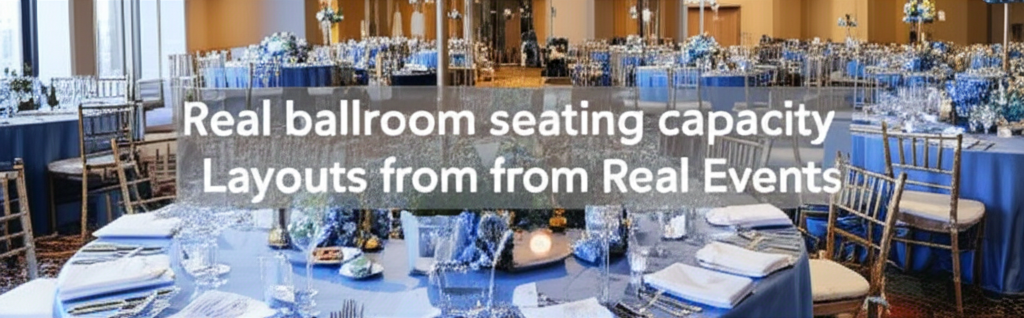
Choosing the right table arrangement can significantly impact the flow and atmosphere of your event. Here's a comparison of two popular options:
Round Tables
- Encourage conversation among guests.
- Create a more intimate and social atmosphere.
- Classic and elegant look, suitable for weddings and formal events.
Rectangular Tables
- Maximize space utilization, allowing for more guests in a smaller area.
- Create a more modern and streamlined aesthetic.
- Ideal for corporate events and conferences.
Consider the size of your venue, the number of guests, and the overall style of your event when choosing your seating arrangement. You can use SeatingChartCreator.com's free templates to visualize different layouts and experiment with various options.
Common Mistakes to Avoid
Here are some common mistakes to avoid when planning your next event:
- Waiting until the last minute: Start planning early to avoid rushing and making hasty decisions.
- Ignoring your budget: Set a realistic budget and stick to it. Track your expenses carefully and avoid overspending.
- Not getting help: Don't try to do everything yourself. Enlist the help of friends, family, or a professional event planner.
- Neglecting the details: Pay attention to the small details that can make a big difference in the overall guest experience.
Expert Tips for Event Planning Success
Here are some expert tips to help you plan a successful and memorable event:
- Create a detailed checklist: A comprehensive checklist will help you stay organized and ensure that you don't forget any important tasks.
- Communicate clearly with vendors: Establish clear expectations and maintain open communication with all your vendors.
- Be flexible: Be prepared to adapt to unexpected changes and challenges.
- Enjoy the process: Remember to relax and enjoy the planning process. It's a chance to create something special and memorable.
Frequently Asked Questions
The amount of time needed to plan an event depends on its size and complexity. For a small party, a few weeks may be sufficient. However, for a large wedding or corporate event, you should start planning at least 6-12 months in advance. This will give you ample time to secure vendors, book venues, and manage all the necessary details.
Get Event Planning Tips
Weekly tips on seating arrangements, event layouts, and planning strategies.
SeatingChart Team
Our team of event planning experts is dedicated to helping you create unforgettable events with perfect seating arrangements.
Ready to Create Your Seating Chart?
Start planning your perfect event layout with our free drag-and-drop seating chart creator. No sign-up required to try it out!
Try Free Seating Chart Creator