7 Wedding Table Plan Mistakes That Make Guests Cringe (Avoid #4)
Planning a wedding is a whirlwind of decisions, from choosing the perfect dress to selecting the ideal venue. Amidst all the excitement, it's easy to overlook one crucial detail that can significantly impact your guests' experience: the wedding table plan. A well-thought-out seating chart ensures smooth mingling, comfortable conversations, and happy memories. Conversely, a poorly executed table arrangement can lead to awkward silences, hurt feelings, and a less-than-joyful celebration. So, how do you create a seating plan that delights your guests and avoids common pitfalls? Read on to discover seven wedding table plan mistakes that can make guests cringe and learn how to avoid them, ensuring your big day is a resounding success.
Key Takeaways
- Carefully consider guest dynamics and relationships when creating your seating chart.
- Avoid separating couples or seating guests with known conflicts near each other.
- Balance table arrangements by mixing different friend groups or family members for engaging conversations.
- Use a seating chart tool like SeatingChartCreator.com to easily visualize and adjust your table plan.
- Communicate your seating arrangements clearly with elegant place cards and signage.
Why Your Wedding Table Plan Matters More Than You Think
Your wedding table plan is more than just a logistical necessity; it's a key ingredient in creating the atmosphere you want for your special day. Think of it as orchestrating a symphony of interactions. A thoughtful seating arrangement can spark new friendships, encourage lively conversations, and ensure that everyone feels included and celebrated.
Design Your Perfect Seating Chart
Free drag-and-drop seating chart creator for weddings, events, and venues. Export professional PDFs in minutes.
Create Free Seating ChartOn the other hand, a haphazard or careless table plan can lead to discomfort, boredom, and even resentment. Imagine being seated next to someone you have nothing in common with, feeling isolated from your friends and family, or realizing you've been placed at the "singles table" when you're happily dating. These seemingly small details can have a big impact on your guests' overall experience.
Furthermore, your table arrangement reflects your attention to detail and your consideration for your loved ones. It shows that you've put thought and effort into making each guest feel welcome and valued. By avoiding common seating chart mistakes, you can create a positive and memorable experience for everyone in attendance.
Mistake #1: Ignoring Guest Dynamics and Relationships
One of the biggest wedding table plan blunders is neglecting to consider the relationships between your guests. Simply assigning seats based on alphabetical order or random preferences can lead to awkward and uncomfortable situations.
For example, seating feuding family members next to each other is a recipe for disaster. Similarly, placing introverted guests at a table full of extroverts might make them feel overwhelmed and out of place. It's essential to take the time to understand the dynamics between your guests and create a seating arrangement that fosters positive interactions.
Consider these factors when planning your table arrangement:
- Family relationships: Avoid seating estranged relatives near each other.
- Friend groups: Keep close friends together to encourage conversation and camaraderie.
- Personalities: Balance outgoing and reserved guests to create a comfortable atmosphere for everyone.
- Common interests: Seat guests with shared hobbies or professions together to spark engaging conversations.
Mistake #2: Separating Couples or Plus-Ones
Unless there's a very specific and well-considered reason, separating couples or plus-ones is generally a major faux pas. It's often perceived as disrespectful and can make guests feel uncomfortable and isolated.
Imagine attending a wedding with your significant other and being seated at separate tables, surrounded by strangers. It's not only awkward but also prevents you from enjoying the celebration together. Similarly, plus-ones should be seated near the person they accompanied to ensure they feel included and welcome.
Of course, there may be exceptions to this rule. For instance, if one half of a couple is particularly close to a specific group of friends or family members, it might make sense to seat them together, while the other half joins a different table. However, it's crucial to communicate your reasoning clearly and sensitively to avoid hurt feelings.
In general, err on the side of caution and keep couples and plus-ones together. It's a simple gesture that can make a big difference in their overall experience.
Mistake #3: Creating Obvious "Singles Tables"
The dreaded "singles table" is a common wedding table plan mistake that can make guests feel singled out and self-conscious. While the intention may be to encourage romance, it often backfires and creates an uncomfortable atmosphere.
Instead of isolating single guests, try to integrate them into tables with a mix of couples and other singles. This will create a more natural and inclusive environment where everyone feels welcome and can enjoy the celebration.
If you're particularly keen on playing matchmaker, consider subtly seating single guests near others who share similar interests or personalities. However, avoid being too obvious or pushy, as this can make people feel uncomfortable.
Ultimately, the goal is to create a seating arrangement that promotes mingling and conversation without making anyone feel like they're on display or being set up. A thoughtful and inclusive table plan will ensure that all your guests feel valued and celebrated, regardless of their relationship status.
How to Create a Wedding Table Plan That Wows
Now that you know what mistakes to avoid, let's dive into the practical steps of creating a wedding table plan that wows your guests.
Gather Your Guest List
Start by compiling a complete and accurate guest list, including names, relationship statuses, and any relevant information about their personalities or relationships. This will serve as your foundation for creating a thoughtful seating arrangement.
Determine Your Table Layout
Work with your venue to determine the number of tables and their configuration. Consider factors such as the size of your guest list, the space available, and your desired aesthetic. Round tables are generally better for conversation, while rectangular tables can accommodate more guests.
Group Your Guests
Begin by grouping your guests into smaller clusters based on their relationships and common interests. Consider family groups, friend groups, and colleagues. Aim for a mix of personalities at each table to encourage lively conversation.
Assign Seats Using SeatingChartCreator.com
Use a seating chart tool like SeatingChartCreator.com to easily visualize and adjust your table plan. This free online tool allows you to drag and drop guests onto tables, experiment with different arrangements, and collaborate with your partner or wedding planner.
Finalize and Communicate Your Seating Chart
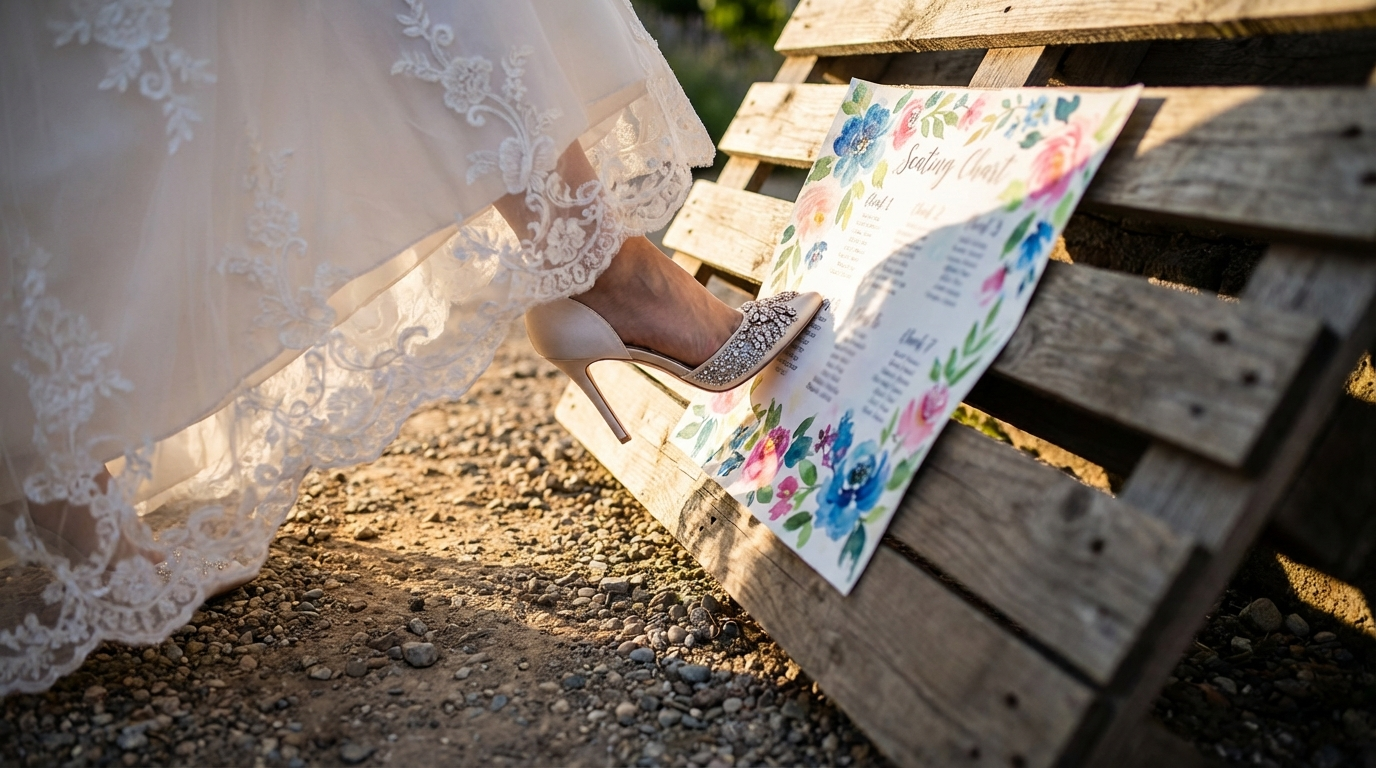
Once you're satisfied with your seating arrangement, create elegant place cards or a large display board to guide guests to their assigned tables. Ensure that the names are clearly legible and that the table numbers are prominently displayed.
Using SeatingChartCreator.com to Simplify Your Table Plan
Creating a wedding table plan can be a daunting task, but it doesn't have to be. SeatingChartCreator.com offers a user-friendly and intuitive platform to simplify the process and help you create a seating arrangement that delights your guests.
With SeatingChartCreator.com, you can:
- Easily import your guest list from a spreadsheet or enter it manually.
- Visualize your table layout and experiment with different configurations.
- Drag and drop guests onto tables to create your desired seating arrangement.
- Collaborate with your partner or wedding planner in real-time.
- Generate a printable seating chart to display at your wedding.
The best part? SeatingChartCreator.com is completely free to use! So why not give it a try and take the stress out of planning your wedding table arrangement? You can Create Your Seating Chart today.
Mistake #4: Forgetting About VIPs and Special Needs
When creating your wedding table plan, it's essential to prioritize your VIP guests and accommodate any special needs or requests. This shows that you value their presence and are committed to making them feel comfortable and included.
VIP guests may include your parents, grandparents, siblings, and close friends who have played a significant role in your life. Consider seating them at tables near the head table or in other prominent locations.
In addition, be mindful of any guests with disabilities or special needs. Ensure that they have easy access to their tables and that their seating arrangements are comfortable and accommodating. For example, guests with mobility issues may require seating near an aisle or entrance.
By paying attention to these details, you can create a seating arrangement that is not only aesthetically pleasing but also considerate and inclusive.
Checklist: Ensuring a Flawless Wedding Table Plan
Before You Finalize Your Seating Chart
- Confirm all RSVPs and dietary restrictions.
- Review guest relationships and potential conflicts.
- Prioritize VIP guests and special needs.
- Ensure couples and plus-ones are seated together.
- Avoid creating obvious "singles tables."
- Use a seating chart tool to visualize and adjust your table plan.
- Communicate your seating arrangements clearly with elegant place cards and signage.
Mistake #5: Ignoring the Venue Layout and Table Sizes
Failing to consider the venue layout and table sizes is a common wedding table plan mistake that can lead to logistical nightmares. Before you start assigning seats, it's crucial to understand the dimensions of the space and the capacity of each table.
For example, if your venue has limited space, you may need to opt for smaller tables or a more compact seating arrangement. Similarly, if your tables are unusually large or small, you'll need to adjust your guest groupings accordingly.
It's also important to consider the flow of traffic within the venue. Ensure that there is enough space between tables for guests to move around comfortably and that there are clear pathways to the dance floor, bar, and restrooms.
By taking these factors into account, you can create a seating plan that is not only aesthetically pleasing but also practical and functional.
Mistake #6: Overcrowding Tables
While it might be tempting to squeeze in as many guests as possible to save space or money, overcrowding tables is a surefire way to make your guests uncomfortable. No one wants to feel cramped and jostled during a meal or have to elbow their neighbors to reach for a drink.
As a general rule, allow at least 24 inches of space per guest at a round table and 30 inches at a rectangular table. This will ensure that everyone has enough room to eat, drink, and converse comfortably.
If you're unsure about the capacity of your tables, consult with your venue coordinator or caterer. They can provide valuable insights and help you create a seating arrangement that is both functional and comfortable.
Mistake #7: Neglecting to Communicate Your Seating Arrangements
Creating a flawless wedding table plan is only half the battle. It's equally important to communicate your seating arrangements clearly and effectively to your guests.
There are several ways to do this:
- Place cards: Place cards are a classic and elegant way to guide guests to their assigned seats. Ensure that the names are clearly legible and that the cards are placed in a prominent location at each table.
- Seating chart display: A large display board listing the names of all guests and their assigned table numbers is another popular option. This can be particularly helpful for larger weddings with a complex seating arrangement.
- Wedding website: You can also include your seating chart on your wedding website. This allows guests to view their assigned seats in advance and plan accordingly.
Regardless of which method you choose, make sure that your seating arrangements are communicated clearly and accurately. This will help to avoid confusion and ensure that everyone finds their assigned seats without any hassle.
Expert Tips for a Stress-Free Wedding Table Plan
Here are some additional expert tips to help you create a stress-free wedding table plan:
- Start early: Don't wait until the last minute to start planning your seating arrangement. Give yourself plenty of time to gather information, experiment with different configurations, and make any necessary adjustments.
- Ask for help: Don't be afraid to ask for help from your partner, family members, or wedding planner. They can provide valuable insights and assistance.
- Be flexible: Be prepared to make changes to your seating chart as needed. Last-minute cancellations or additions may require you to adjust your arrangements.
- Focus on the big picture: Remember that the goal of your wedding table plan is to create a positive and enjoyable experience for your guests. Don't get bogged down in the small details.
Two Table Arrangement Examples: Round vs. Rectangular
Round Tables
- Better for conversation and interaction
- Create a more intimate and inclusive atmosphere
- Classic and elegant look
- Require more space per table
Rectangular Tables
- More space-efficient and can accommodate more guests
- Modern and contemporary aesthetic
- Easier to arrange in long, banquet-style layouts
- May limit conversation between guests seated further apart
Ultimately, the best type of table for your wedding will depend on your venue, your guest list, and your personal preferences. Consider the pros and cons of each option carefully before making a decision.
Frequently Asked Questions
Ideally, you should aim to finalize your wedding table plan at least two weeks before your wedding day. This allows you ample time to create and print place cards or seating charts, and also gives you a buffer in case of any last-minute changes or cancellations. Sending your guest list to your stationer or calligrapher with plenty of lead time is crucial.
Get Event Planning Tips
Weekly tips on seating arrangements, event layouts, and planning strategies.
SeatingChart Team
Our team of event planning experts is dedicated to helping you create unforgettable events with perfect seating arrangements.
Ready to Create Your Seating Chart?
Start planning your perfect event layout with our free drag-and-drop seating chart creator. No sign-up required to try it out!
Try Free Seating Chart Creator