Planning a wedding is an exciting journey, filled with dreams of a perfect day. But amidst the dress fittings and cake tastings, one often-overlooked detail can cause unexpected stress: the wedding table seating chart. A well-thought-out seating chart ensures your guests mingle comfortably and enjoy the celebration. A poorly planned one? Well, let's just say it can lead to awkward silences and disgruntled relatives. Don't let seating arrangements become a wedding day disaster! This guide will help you navigate the potential pitfalls and create a seating chart that delights everyone.
Key Takeaways
- Carefully consider guest relationships to avoid awkward pairings.
- Use a wedding table seating chart tool like SeatingChartCreator.com to simplify the process.
- Factor in accessibility needs and family dynamics when arranging tables.
- Communicate your seating plan clearly to the venue and guests.
- Always have a backup plan to address last-minute changes.
Why is Your Wedding Table Seating Chart So Important?
You might be wondering, "Does a wedding table seating chart really matter that much?" The answer is a resounding yes! Think of your wedding reception as a carefully orchestrated social event. The seating chart is the conductor, guiding the flow of conversation and ensuring everyone feels welcome. It sets the tone for the entire evening.
Design Your Perfect Seating Chart
Free drag-and-drop seating chart creator for weddings, events, and venues. Export professional PDFs in minutes.
Create Free Seating ChartA thoughtful seating plan can spark new friendships, strengthen existing bonds, and create a vibrant atmosphere. Conversely, a haphazard arrangement can lead to cliques forming, guests feeling isolated, or even unintentional offense. By taking the time to create a strategic seating chart, you're investing in the overall enjoyment of your guests and the success of your reception.
Consider the perspective of your guests. They've traveled, dressed up, and are eager to celebrate with you. A well-organized wedding table seating chart demonstrates that you value their presence and have put thought into their comfort. It shows you care.
Common Wedding Seating Chart Disasters (and How to Avoid Them)
Now that we've established the importance of a wedding table seating chart, let's look at some common pitfalls. These are the mistakes that can turn a pleasant reception into a minefield of social awkwardness. Recognizing these potential disasters is the first step in avoiding them.
- The "Singles Table" Fiasco: Resist the urge to create a designated "singles table." It can feel isolating and put unnecessary pressure on unmarried guests. Instead, integrate single friends into tables with people they already know or who share similar interests. Aim for a mix of personalities and relationship statuses at each table.
- The "Cliques Only" Arrangement: Avoid seating guests exclusively with their established friend groups. While it might seem comfortable, it can prevent mingling and create a less inclusive atmosphere. Strategically mix friend groups to encourage new connections and broader conversations.
- The "Family Feud" Bomb: This is a big one! Placing estranged family members or individuals with known conflicts at the same table is a recipe for disaster. Be aware of family dynamics and seat potential adversaries far apart. If necessary, consult with close family members for advice on navigating sensitive relationships.
- The "Age Gap" Divide: While it's natural to seat people with similar interests, avoid creating tables that are exclusively one age group. Mix generations to foster engaging conversations and create a more diverse atmosphere. Young and old can often find common ground and learn from each other.
- The "VIP Isolation": Don't isolate your VIP guests (parents, grandparents, close friends) in a corner or at a table that feels removed from the action. Position them strategically to ensure they feel celebrated and involved. The head table is a common choice for immediate family, but consider their personalities and preferences.
- The "Forgotten Plus-One": Always confirm your guests' plus-ones and include them in the seating chart. Neglecting a plus-one can make them feel unwelcome and uncomfortable. Reach out to your guests to learn their plus-one's name and any relevant information that might help with the seating arrangement.
- The "Accessibility Oversight": Overlook accessibility needs and you risk making guests feel excluded. Ensure guests with mobility issues are seated near entrances, exits, and restrooms. Provide ample space for wheelchairs or other mobility devices. Consider table heights and seating options to accommodate guests with disabilities.
Step-by-Step: Creating Your Perfect Wedding Table Seating Chart
Ready to create a wedding table seating chart that wows? Here's a step-by-step guide to help you navigate the process smoothly:
Gather Your Guest List Data
Start by compiling a comprehensive guest list with confirmed RSVPs. Include information about each guest's relationship to you, their interests, and any special considerations (dietary restrictions, disabilities, etc.).
Obtain Your Venue's Floor Plan
Request a detailed floor plan from your venue, including the dimensions of the room, the location of tables, and any fixed elements (dance floor, stage, etc.). This will help you visualize the space and plan the layout effectively.
Choose Your Table Arrangement
Decide on the type of tables you'll use (round, rectangular, square) and their arrangement. Consider the size of your guest list and the overall aesthetic you're aiming for. Round tables encourage conversation, while rectangular tables can create a more formal look.
Start with VIPs
Begin by placing your VIP guests (parents, grandparents, bridal party) strategically. The head table is a traditional option for the bridal party and immediate family, but consider their preferences and personalities.
Group Guests by Relationship and Interests
Group guests based on their relationships to each other and shared interests. Seat friends together, family members together, and colleagues together. Consider their personalities and seating preferences.
Use a Seating Chart Tool
Utilize a wedding table seating chart tool like SeatingChartCreator.com to visualize and manage your seating arrangements. These tools allow you to easily drag and drop guests, experiment with different configurations, and collaborate with your partner.
Finalize and Share Your Seating Chart
Once you're satisfied with your seating chart, finalize it and share it with your venue and wedding planner. Provide them with a clear and concise diagram or list of guests and their assigned tables.
Leveraging SeatingChartCreator.com for Stress-Free Seating
Creating a wedding table seating chart can feel overwhelming, but it doesn't have to be! SeatingChartCreator.com offers a user-friendly platform to simplify the entire process. With its intuitive drag-and-drop interface, you can easily experiment with different seating arrangements and visualize your reception layout.
SeatingChartCreator.com allows you to:
- Import your guest list: Upload your guest list directly from a spreadsheet or manually enter guest information.
- Customize your tables: Choose from a variety of table shapes and sizes to match your venue's setup.
- Drag and drop guests: Easily move guests around the seating chart until you find the perfect arrangement.
- Collaborate with your partner: Share your seating chart with your partner and work together in real-time.
- Access free templates: Use pre-designed templates to get started quickly and easily.
- Export your seating chart: Download your finalized seating chart in various formats to share with your venue and wedding planner.
Best of all, SeatingChartCreator.com is completely free to use! Take advantage of this powerful tool to create a stress-free seating experience and ensure your guests have a memorable time.
Tips and Strategies for Perfect Wedding Table Arrangements
Beyond the basics, here are some additional tips and strategies to elevate your wedding table seating chart to the next level:
- Consider Conversation Flow: Think about how guests will interact at each table. Seat outgoing personalities next to quieter ones to encourage conversation. Place guests with similar interests or backgrounds together to spark engaging discussions.
- Mix and Match Families: If you have two families coming together for the first time, consider mixing them at tables to foster a sense of unity. Seat family members who are close to each other near each other, but also introduce them to new faces.
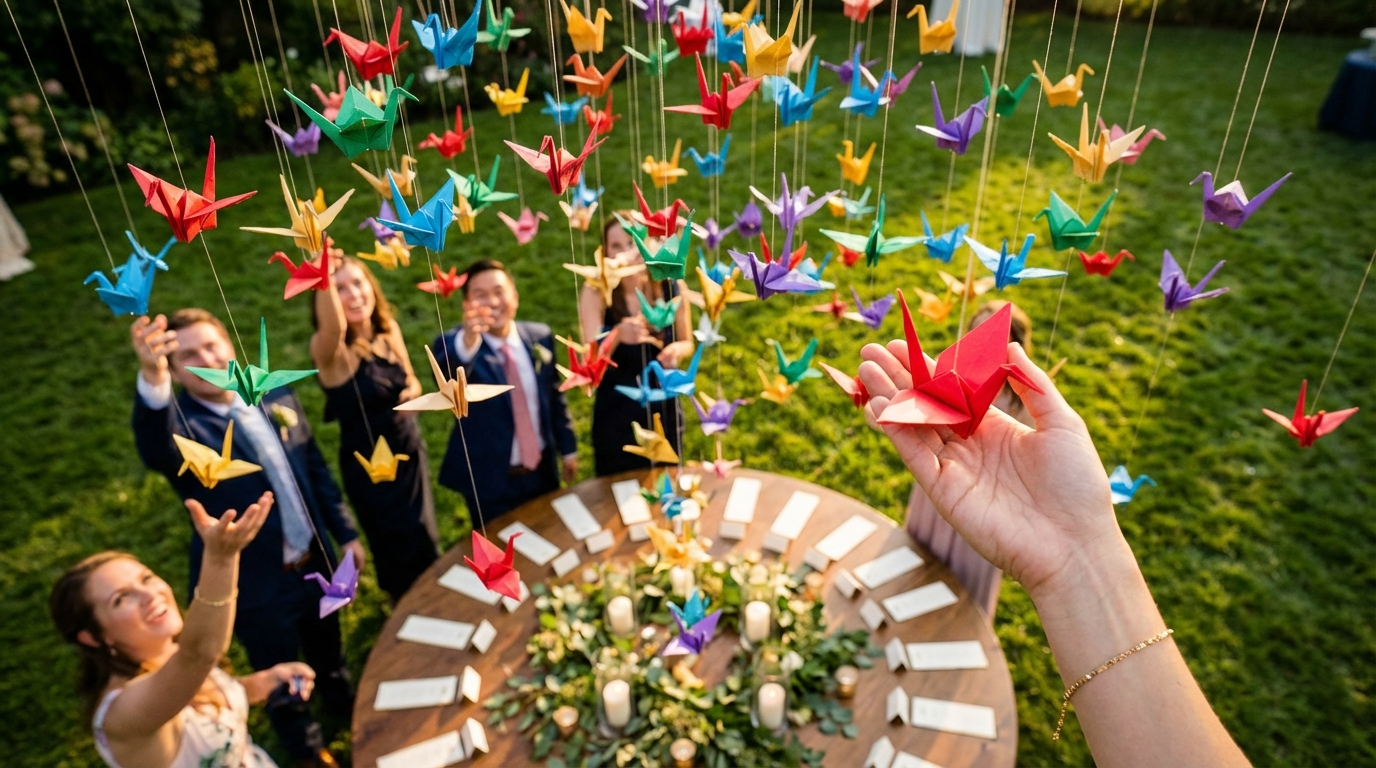
- Use Place Cards: Place cards add a touch of elegance and formality to your reception. They also help guide guests to their assigned seats and prevent confusion. Consider using creative place card designs that reflect your wedding theme.
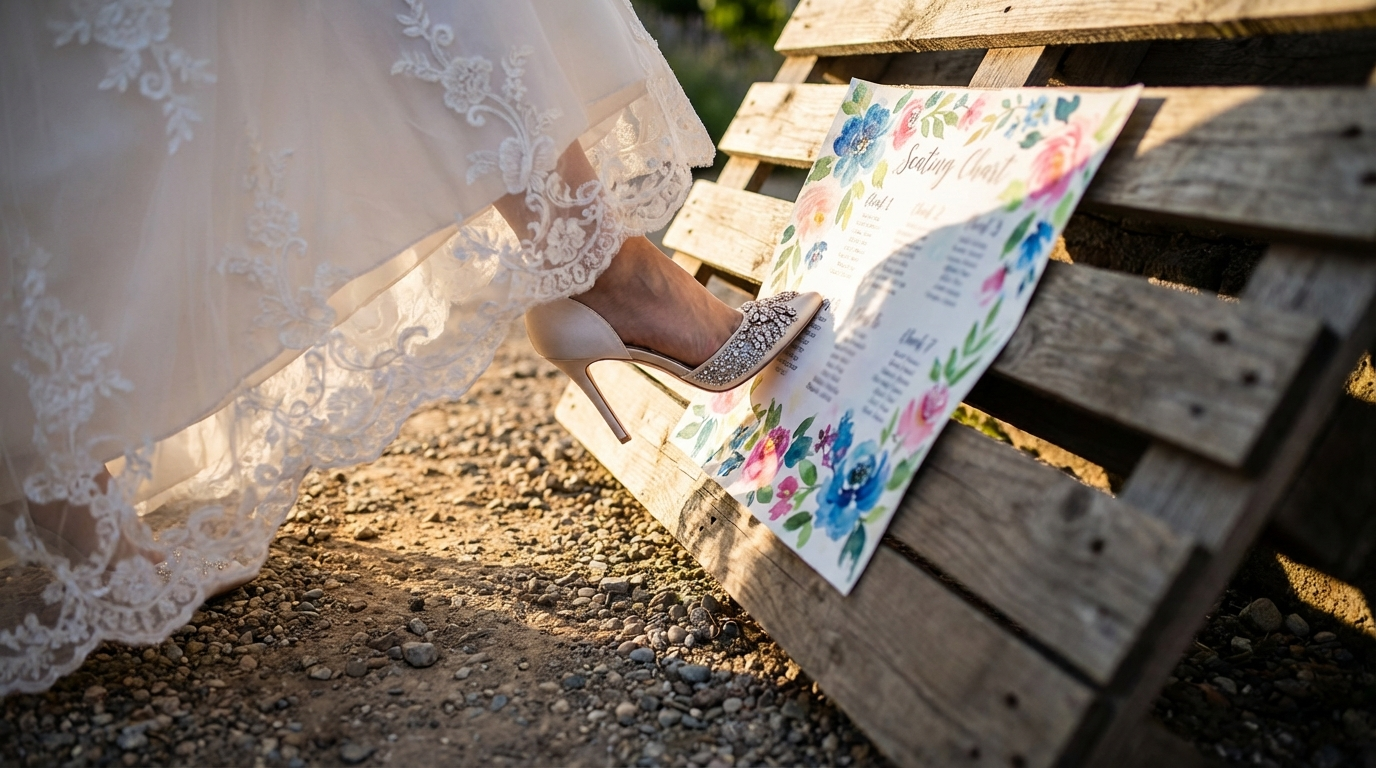
- Communicate Clearly: Ensure your guests know where they are seated. Display a large seating chart near the entrance to the reception area. Consider using table numbers or names to make it easy for guests to find their assigned tables.
Table Shape and Size: How They Impact Your Seating Chart
The shape and size of your tables play a significant role in the overall atmosphere of your reception and the effectiveness of your wedding table seating chart. Different table shapes lend themselves to different seating arrangements and conversation styles.
Round Tables
- Foster a sense of intimacy and encourage conversation among all guests at the table.
- Ideal for creating a relaxed and social atmosphere.
- Typically seat 8-10 guests comfortably.
- Require more space than rectangular tables.
Rectangular Tables
- Create a more formal and elegant look.
- Maximize space efficiency, especially in smaller venues.
- Can be arranged in long rows to create a sense of community.
- May limit conversation between guests at opposite ends of the table.
Consider the following factors when choosing your table shape and size:
- Venue size: Rectangular tables are often a better choice for smaller venues, while round tables can work well in larger spaces.
- Guest list size: Choose table sizes that accommodate your guest count comfortably.
- Desired atmosphere: Round tables create a more social atmosphere, while rectangular tables can create a more formal feel.
- Budget: Table rentals can vary in price depending on the shape and size.
Wedding Table Seating Chart Examples and Templates
Need some inspiration? Here are a few wedding table seating chart examples to get you started:
- The Traditional Family Affair: Seat immediate family members at the head table, with extended family members grouped together at nearby tables.
- The Blended Family Celebration: Mix both families at tables to foster a sense of unity and connection.
- The Friends-Focused Festivity: Group friends together based on shared interests and experiences.
- The Destination Wedding Gathering: Seat guests from different locations together to encourage them to mingle and learn about each other's cultures.
SeatingChartCreator.com offers a variety of free templates to help you create your seating chart quickly and easily. Choose a template that matches your wedding style and customize it to fit your specific needs.
Quick Summary
Consider the seating arrangements based on family dynamics and relationships. Utilize various templates to get you started. Don't be afraid to mix and match seating arrangements to foster a sense of community.
Common Mistakes to Avoid When Planning Your Seating Chart
While we've covered many helpful strategies, it's equally important to be aware of the common mistakes that can derail even the best-laid seating plans. Avoid these pitfalls to ensure a smooth and enjoyable reception:
- Ignoring RSVP Deadlines: Don't start working on your seating chart until you have a firm grasp of your final guest count. Chase down those late RSVPs!
- Forgetting Dietary Restrictions: Ensure you're aware of any dietary restrictions or allergies among your guests. Communicate this information clearly to your caterer and venue.
- Failing to Communicate with the Venue: Share your seating chart with your venue and wedding planner well in advance of the wedding. Discuss any logistical considerations or special requests.
- Not Having a Backup Plan: Be prepared for last-minute cancellations or unexpected guests. Have a backup plan in place to accommodate these changes without disrupting the overall seating arrangement.
Expert Tips and Pro Advice for Wedding Table Seating Charts
Here's some final expert advice to help you create a wedding table seating chart that exceeds expectations:
- Prioritize Guest Comfort: Ultimately, the goal is to create a comfortable and enjoyable experience for your guests. Consider their needs and preferences when making seating decisions.
- Don't Be Afraid to Ask for Help: If you're feeling overwhelmed, don't hesitate to ask for help from your wedding planner, family members, or friends.
- Trust Your Gut: You know your guests best. Trust your instincts and make seating decisions that feel right for you and your wedding.
Frequently Asked Questions
Ideally, you should start working on your wedding table seating chart about 4-6 weeks before your wedding day. This allows you to gather RSVPs, finalize your guest count, and have ample time to make thoughtful seating decisions. Waiting until the last minute can lead to unnecessary stress and errors.
Get Event Planning Tips
Weekly tips on seating arrangements, event layouts, and planning strategies.
SeatingChart Team
Our team of event planning experts is dedicated to helping you create unforgettable events with perfect seating arrangements.
Ready to Create Your Seating Chart?
Start planning your perfect event layout with our free drag-and-drop seating chart creator. No sign-up required to try it out!
Try Free Seating Chart Creator