Your wedding day should be a celebration of love, not a logistical nightmare. While you're busy dreaming of the perfect dress and vows, don't overlook one crucial detail: the wedding seating chart. A poorly planned table arrangement can lead to awkward silences, hurt feelings, and a reception that falls flat. Avoid these common pitfalls and ensure your guests have a fantastic time by steering clear of these 25 wedding seating mistakes.
Key Takeaways
- Carefully consider relationship dynamics when assigning seats.
- Use a wedding table seating calculator to optimize table arrangements.
- Incorporate guests' interests and personalities for better conversation.
- Communicate your seating plan clearly to both guests and venue staff.
- Utilize online tools like SeatingChartCreator.com to simplify the process.
Why Your Wedding Seating Chart Matters
Think of your wedding seating chart as more than just assigning names to tables. It's about creating an atmosphere where your guests feel comfortable, connected, and ready to celebrate. A thoughtfully crafted seating plan can foster new friendships, spark engaging conversations, and ultimately contribute to the overall success of your reception. Conversely, a haphazard arrangement can lead to cliques forming, guests feeling excluded, and a general lack of energy on the dance floor.
Design Your Perfect Seating Chart
Free drag-and-drop seating chart creator for weddings, events, and venues. Export professional PDFs in minutes.
Create Free Seating ChartConsider this: most guests will spend a significant portion of the reception seated at their assigned table. This is where they'll eat, chat, and often form their lasting impressions of the event. By strategically placing guests together, you can proactively shape their experience and ensure they enjoy their time. This is why understanding the nuances of relationship dynamics, personality types, and individual preferences is paramount when designing your table arrangement.
Failing to plan your wedding seating adequately is akin to throwing a party and hoping everyone gets along without any introductions or icebreakers. It's a passive approach that leaves your guests' enjoyment to chance. Instead, take an active role in curating a positive and engaging environment by meticulously planning your seating arrangements. Your guests will appreciate the effort, and you'll be rewarded with a lively and memorable celebration.
Ignoring Relationship Dynamics
One of the biggest wedding seating mistakes is failing to consider the complex web of relationships among your guests. Simply grouping people together based on age or side of the family can backfire spectacularly. Think carefully about who gets along, who might have past conflicts, and who would genuinely enjoy each other's company. A little bit of detective work can go a long way in preventing awkward encounters and ensuring a harmonious atmosphere.
For example, avoid seating divorced parents near each other, or placing feuding siblings at the same table. Be mindful of any sensitive situations, such as recent breakups or strained friendships. If you're unsure about the dynamics between certain guests, discreetly ask a mutual friend or family member for their insight. It's always better to err on the side of caution than to risk creating an uncomfortable situation on your big day.
Furthermore, consider the personalities of your guests. Are they outgoing and talkative, or more reserved and introverted? Pairing a quiet guest with a table full of boisterous personalities might leave them feeling overwhelmed and excluded. Similarly, seating a group of high-energy guests next to a table of more subdued individuals could create an imbalance in the overall atmosphere. Strive for a mix of personalities at each table to encourage lively yet comfortable conversation.
How to Use a Wedding Table Seating Calculator
A wedding table seating calculator is an invaluable tool for optimizing your table arrangement and ensuring you have enough space for all your guests. These calculators typically take into account the size and shape of your tables, the number of guests you're expecting, and any specific seating requirements you may have. By inputting this information, you can determine the ideal number of guests per table and avoid overcrowding or leaving empty seats.
Gather Your Information
Collect the final guest count, table dimensions (diameter for round tables, length and width for rectangular tables), and any minimum spacing requirements between tables as specified by your venue.
Input Data into the Calculator
Enter the gathered information into the wedding table seating calculator. Most calculators will ask for the table shape, dimensions, and the desired amount of space per guest.
Analyze the Results
The calculator will provide an estimated number of guests that can comfortably fit at each table. Review the results and adjust the number of guests per table as needed, considering factors like mobility restrictions or personal preferences.
Experiment with Different Configurations
Try different table arrangements and guest assignments within the calculator to optimize the seating plan. Look for a balance between maximizing space and ensuring guest comfort.
Using a wedding table seating calculator can also help you identify any potential problems with your seating plan before they arise. For example, you might discover that you need to rent additional tables or adjust the layout of your reception space to accommodate all your guests comfortably. By addressing these issues proactively, you can avoid last-minute scrambling and ensure a smooth and stress-free event.
Remember, a wedding table seating calculator is just a tool. It's not a substitute for careful consideration and thoughtful planning. Use the calculator as a starting point, and then fine-tune your seating arrangements based on your knowledge of your guests and your vision for your reception. The goal is to create a seating plan that is both practical and enjoyable for everyone involved.
Forgetting About the Singles Table
The dreaded "singles table" is a wedding seating mistake that's been the subject of countless jokes and awkward anecdotes. While the intention might be to spark romance, it often ends up isolating single guests and making them feel self-conscious. Instead of creating a designated singles table, consider integrating your single guests into tables with other guests who share similar interests or personalities. This will create a more natural and comfortable atmosphere for everyone.
If you have a group of single friends who already know each other, it's perfectly acceptable to seat them together. However, avoid explicitly labeling the table as the "singles table" or making any comments that might make your single guests feel singled out. The key is to create a welcoming and inclusive environment where everyone feels comfortable and can enjoy themselves, regardless of their relationship status.
Another approach is to strategically place single guests at tables with couples who are known for being outgoing and welcoming. These couples can act as "social connectors," helping to break the ice and facilitate conversation. Just be sure to choose couples who are genuinely friendly and enjoy meeting new people, rather than those who might be overly inquisitive or pushy.
Not Considering the Venue Layout
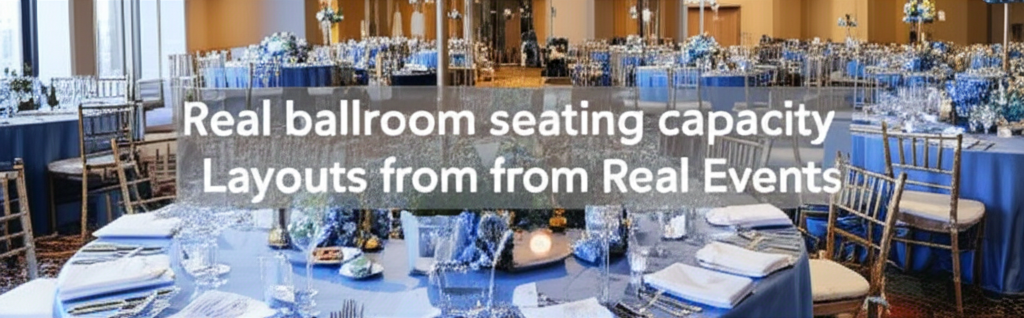
Before you finalize your wedding seating chart, it's crucial to consider the layout of your reception venue. Factors such as the size and shape of the room, the location of the dance floor, the placement of the bar, and any architectural features can all impact your seating arrangements. A well-designed seating plan takes these elements into account and optimizes the flow of traffic and interaction throughout the space.
For example, you'll want to ensure that guests seated near the dance floor aren't overwhelmed by noise levels. Similarly, guests seated near the entrance or exit might experience more foot traffic and distractions. Consider placing older guests or those with mobility issues in quieter areas of the room, away from high-traffic zones. Also, ensure that all tables have a clear view of any planned entertainment, such as speeches or performances.
Don't forget to factor in the location of essential amenities, such as restrooms, the buffet line, and the gift table. Guests should be able to access these amenities easily without having to navigate through crowded tables or disrupt other guests. Work closely with your venue coordinator to understand the space limitations and any potential challenges. They can offer valuable insights and suggestions for optimizing your seating plan.
Before You Start
- Obtain a detailed floor plan of your reception venue.
- Note the location of key features (dance floor, bar, restrooms, etc.).
- Consider traffic flow and potential noise levels in different areas of the room.
Ignoring Dietary Restrictions and Allergies
In today's world, dietary restrictions and allergies are increasingly common. It's essential to gather information about any such needs from your guests during the RSVP process and to communicate this information clearly to your caterer and venue staff. Failing to do so can not only lead to uncomfortable situations for your guests but also pose serious health risks.
When creating your wedding seating chart, consider seating guests with similar dietary needs at the same table. This can simplify meal service and ensure that everyone at the table receives the appropriate dishes. For example, you might group vegetarian or vegan guests together, or seat guests with gluten sensitivities at a designated gluten-free table. Be sure to clearly label these tables for the catering staff.
It's also important to be mindful of potential cross-contamination issues. If you have guests with severe allergies, such as peanut or shellfish allergies, inform your caterer and venue staff well in advance. They can take extra precautions to prevent cross-contamination during food preparation and service. Consider seating these guests at tables that are further away from areas where these allergens are being handled.
Using Seating Chart Templates
Sometimes, staring at a blank canvas can be intimidating. That's where seating chart templates come in handy. They provide a pre-designed framework that you can customize to fit your specific needs. Think of them as a starting point, a way to visualize your table arrangement without having to build it from scratch. Free Templates can be a lifesaver. But remember, a template is just a tool – don't be afraid to deviate from it and make it your own.
The key is to choose a template that aligns with your wedding style and venue layout. Are you having a formal ballroom reception or a rustic outdoor gathering? Do you prefer round tables or long, rectangular ones? Once you've selected a template, you can start adding your guests' names and making adjustments to the seating arrangement. Don't feel constrained by the template – move things around, experiment with different configurations, and tweak it until it perfectly reflects your vision.
Using a seating chart template can save you time and effort, but it's important to remember that it's not a substitute for thoughtful planning. Take the time to consider your guests' relationships, personalities, and dietary needs, and make sure your seating arrangements reflect these considerations. A well-designed seating chart is more than just a pretty picture – it's a roadmap to a successful and enjoyable reception.
Round Tables vs. Rectangular Tables: A Seating Showdown
The shape of your tables can significantly impact the dynamics of your reception. Round tables are generally considered more conducive to conversation, as they allow guests to easily see and interact with everyone at the table. Rectangular tables, on the other hand, can be more space-efficient and create a more formal and structured atmosphere. Here's a quick comparison:
Round Tables
- Better for conversation and interaction
- Classic and elegant look
- Often require more space
Rectangular Tables
- More space-efficient
- Modern and structured aesthetic
- Can be more challenging for conversation
Ultimately, the best choice depends on your personal preferences, the style of your wedding, and the layout of your venue. If you're prioritizing conversation and creating a relaxed and intimate atmosphere, round tables might be the way to go. If you're looking to maximize space and create a more formal and structured setting, rectangular tables could be a better option. You can even mix and match different table shapes to create a visually interesting and dynamic reception space.
Regardless of the table shape you choose, be sure to use a wedding table seating calculator to determine the optimal number of guests per table. Overcrowding can make guests feel uncomfortable and cramped, while leaving too much empty space can create a sense of isolation. Aim for a balance that allows guests to comfortably interact and enjoy their meal.
Failing to Communicate the Seating Chart Clearly
You've spent hours crafting the perfect wedding seating chart, but all your efforts will be wasted if you don't communicate it clearly to your guests and venue staff. A well-designed seating chart display is essential for guiding guests to their assigned tables quickly and efficiently. Make sure the display is prominently placed and easy to read, with clear table numbers or names and corresponding guest names.
Consider using a large-format printout, a chalkboard, or individual escort cards to display your seating chart. If you're using escort cards, be sure to include the table number or name on each card. You can also get creative with your escort card display, incorporating decorative elements that reflect your wedding theme. For example, you might use miniature plants, vintage keys, or personalized ornaments as escort card holders.
It's also important to provide a copy of your seating chart to your venue coordinator and catering staff. This will help them ensure that guests are seated correctly and that meals are served efficiently. Be sure to highlight any dietary restrictions or allergies on the seating chart so that the staff can take appropriate precautions. Clear communication is key to ensuring a smooth and seamless reception.
Not Using Online Seating Chart Tools
Creating a wedding seating chart can be a daunting task, but thankfully, there are a variety of online tools available to simplify the process. These tools allow you to create and manage your seating arrangements digitally, making it easy to experiment with different configurations and track your progress. Many tools, like SeatingChartCreator.com, offer drag-and-drop functionality, allowing you to easily move guests around and visualize your seating plan. Plus, it's free!
Using an online seating chart tool can save you time and effort, and it can also help you avoid common mistakes. These tools often include features such as guest list management, table layout design, and reporting capabilities. Some tools even allow you to collaborate with your partner or wedding planner in real-time, making it easy to share ideas and make decisions together. Create Your Seating Chart today and see how easy it can be.
Furthermore, many online seating chart tools integrate with other wedding planning platforms, such as RSVP management systems and wedding websites. This allows you to seamlessly transfer guest information and track RSVPs, streamlining your wedding planning process. By leveraging these tools, you can focus on the more enjoyable aspects of wedding planning and leave the logistical details to the technology.
Common Mistakes to Avoid
Creating a wedding seating chart is a balancing act. It's about respecting relationships, catering to needs, and fostering a celebratory atmosphere. Here are some common pitfalls to sidestep:
- Seating divorced parents near each other: This can create tension and discomfort.
- Ignoring dietary restrictions: Always ask about allergies and dietary needs.
- Creating a "singles table": Integrate single guests into other tables.
- Forgetting about VIPs: Ensure close family and friends have prime seating.
- Not considering the venue layout: Factor in the location of the dance floor, bar, and restrooms.
Expert Tips for Seating Success
The best wedding seating charts aren't just functional; they're strategic. Here's some expert advice to elevate your table arrangement:
- Mix generations: Seating younger and older guests together can spark interesting conversations.
- Consider common interests: Group guests with shared hobbies or professions.
- Don't be afraid to break the rules: If a traditional arrangement doesn't work, get creative.
- Ask for input: Consult with family members or close friends for their insights.
- Trust your instincts: Ultimately, the best seating chart is one that feels right to you.
Frequently Asked Questions
It's best to start working on your wedding seating chart about 4-6 weeks before your wedding date. This allows you enough time to gather RSVPs, consider your guests' preferences, and make any necessary adjustments. However, avoid finalizing your seating chart too early, as last-minute cancellations or changes in guest relationships can disrupt your plans.
Get Event Planning Tips
Weekly tips on seating arrangements, event layouts, and planning strategies.
SeatingChart Team
Our team of event planning experts is dedicated to helping you create unforgettable events with perfect seating arrangements.
Ready to Create Your Seating Chart?
Start planning your perfect event layout with our free drag-and-drop seating chart creator. No sign-up required to try it out!
Try Free Seating Chart Creator