rustic wedding seating ideas: The Ultimate 2026 Guide (With Real Examples)
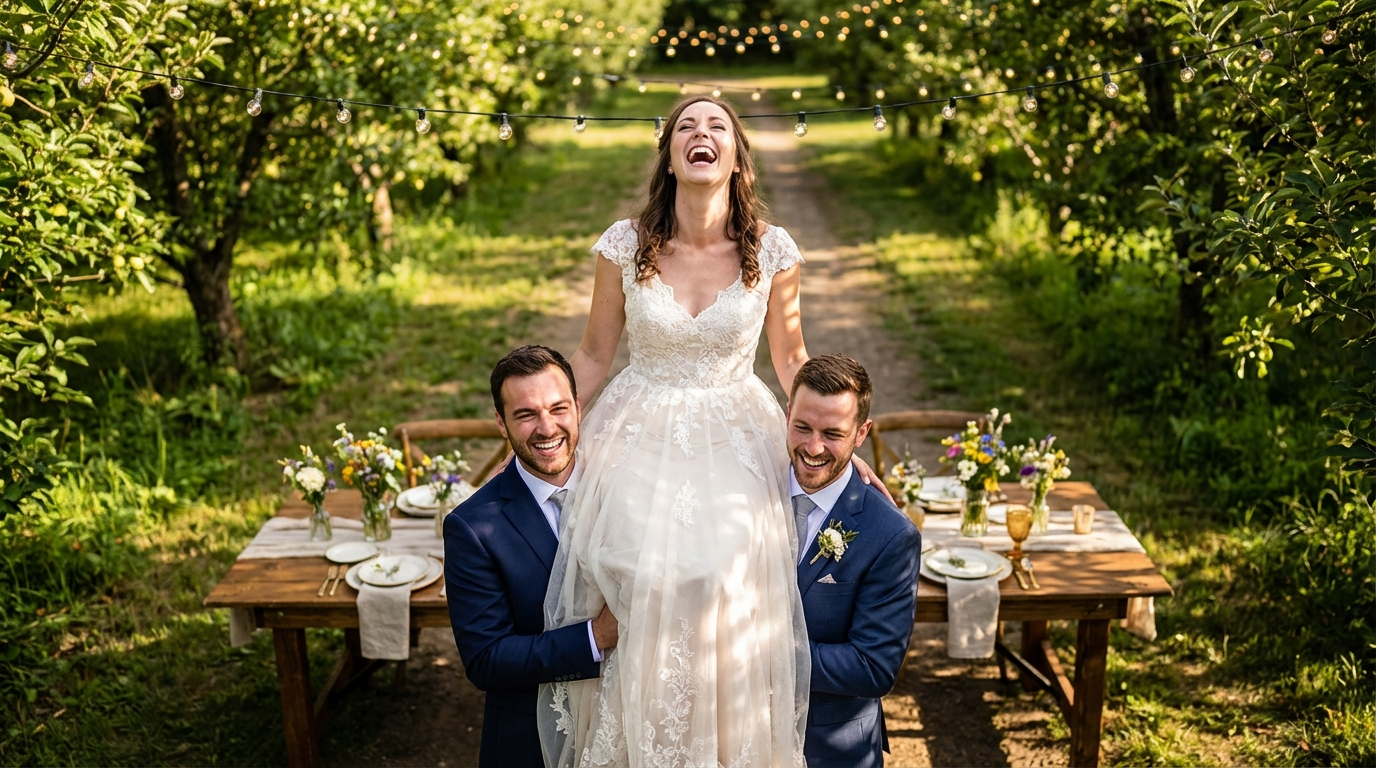
Planning a rustic wedding in 2026? You're likely dreaming of mason jars, wildflowers, and a relaxed, natural atmosphere. But don't forget one of the most important elements: the seating arrangement. A well-thought-out seating chart can make all the difference in creating a warm and welcoming experience for your guests. This guide will provide you with rustic wedding seating ideas, practical tips, and real-world examples to help you craft the perfect table arrangement for your special day. Let's dive in and explore how to create a seating plan that complements your rustic wedding theme and ensures everyone has a fantastic time!
Key Takeaways
- Incorporate natural elements like wood, greenery, and burlap into your seating chart display
- Consider using non-traditional seating arrangements like long tables or family-style setups for a more intimate feel
- Prioritize guest comfort and relationships when creating your seating plan
- Utilize a free online tool like SeatingChartCreator.com to easily design and manage your table arrangement
- Don't forget to factor in accessibility and special needs when planning your wedding seating
What Defines Rustic Wedding Seating?
Rustic wedding seating goes beyond simply assigning seats. It's about creating an ambiance that aligns with the overall rustic aesthetic. Think natural, organic, and slightly imperfect. Forget stiff formalities; rustic seating encourages mingling and a relaxed atmosphere. The key is to blend functionality with visual appeal, incorporating elements that speak to the charm of the countryside.
Design Your Perfect Seating Chart
Free drag-and-drop seating chart creator for weddings, events, and venues. Export professional PDFs in minutes.
Create Free Seating ChartConsider the materials used. Raw wood, burlap, and natural fabrics are excellent choices for linens and chair decorations. Greenery, wildflowers, and even simple herbs can add a touch of nature to your table arrangement. The goal is to create a setting that feels both elegant and approachable, reflecting the warmth and authenticity of a rustic wedding.
Think about the flow of your wedding. Seating arrangements should facilitate conversation and connection. Long tables encourage a communal dining experience, while round tables can promote more intimate conversations within smaller groups. By carefully considering these factors, you can create a seating plan that enhances the overall rustic wedding experience for your guests.
Creative Rustic Seating Chart Display Ideas
Your seating chart display is the first impression guests have of your seating arrangement, so make it count! This is your chance to showcase your rustic wedding theme and set the tone for the reception. Forget basic printed lists; let's explore some creative and memorable display ideas.
Wooden Pallet Seating Chart: Repurpose a wooden pallet by painting it or leaving it natural. Attach escort cards or small signs with table assignments to the pallet using twine or small clothespins. This is a budget-friendly and visually appealing option that perfectly complements a rustic wedding.
Window Pane Seating Chart: Find an old window pane and clean it thoroughly. Use a paint pen or vinyl lettering to write guests' names and table numbers on the glass. Lean the window against a wall or prop it up on an easel for a charming display. You can even add flowers or greenery around the edges for an extra touch of rustic elegance.
Ladder Seating Chart: An old wooden ladder can be transformed into a unique seating chart display. Hang escort cards or small signs from the rungs using twine or ribbon. Decorate the ladder with flowers, greenery, or vintage lanterns to enhance the rustic aesthetic.
Choosing the Right Table Shape and Size
The shape and size of your tables play a crucial role in the overall seating arrangement and the atmosphere of your reception. Consider the size of your venue, the number of guests, and the desired level of interaction when making your decision. Round tables and rectangular tables both have their own unique advantages for a rustic wedding.
Round Tables: These are a classic choice for weddings and promote conversation within smaller groups. They typically seat 8-10 guests comfortably. Round tables can create a more intimate and formal atmosphere. Decorate them with centerpieces that don't obstruct views, allowing for easy conversation. They are perfect for a rustic wedding where you want to encourage closer interactions among guests.
Rectangular Tables: Also known as banquet tables, rectangular tables offer a more modern and communal dining experience. They can seat a larger number of guests per table and are often used in family-style settings. This type of table arrangement encourages mingling and a more relaxed atmosphere, making them ideal for a rustic wedding with a focus on community. You can also create stunning tablescapes with long runners, greenery, and candles.
Round Tables
- Better for smaller, more intimate conversations
- Classic and elegant look
- Easier to decorate with symmetrical centerpieces
Rectangular Tables
- More space-efficient for larger groups
- Modern and communal feel
- Great for family-style dining
Step-by-Step: Creating Your Rustic Wedding Seating Chart
Creating a seating chart can feel daunting, but with a systematic approach, you can ensure a smooth and stress-free process. Here's a step-by-step guide to help you create the perfect rustic wedding seating plan.
Gather Your Guest List
Start by compiling a complete and accurate guest list. Confirm RSVPs and note any dietary restrictions or special needs. This information will be crucial when assigning seats.
Consider Your Venue Layout
Obtain a floor plan of your reception venue. Identify the locations of tables, the dance floor, the head table (if applicable), and any other important features. This will help you visualize the seating arrangement and ensure adequate space for guests to move around.
Group Your Guests
Begin grouping guests based on their relationships and personalities. Consider who knows each other well and who might enjoy each other's company. Aim to create a mix of familiar faces and opportunities for new connections. This is crucial for a successful wedding seating.
Assign Tables
Start placing your grouped guests at tables. Consider factors like age, interests, and relationship to the couple. Seat VIP guests (parents, grandparents, bridal party) in prominent locations. Use a tool like SeatingChartCreator.com to easily drag and drop guests onto tables and visualize your seating arrangement.
Finalize and Communicate
Once you're satisfied with your seating plan, finalize it and create your seating chart display. Communicate the table assignments to your guests through escort cards or a visually appealing display at the reception entrance.
Leveraging Technology: SeatingChartCreator.com
Creating a seating chart doesn't have to be a headache. With user-friendly online tools like SeatingChartCreator.com, you can simplify the process and create a seating plan that perfectly matches your rustic wedding vision. The platform offers a free and intuitive drag-and-drop interface, allowing you to easily manage your guest list, arrange tables, and visualize your seating arrangement in real-time.
One of the key benefits of using SeatingChartCreator.com is its flexibility. You can customize table shapes and sizes, add or remove guests, and rearrange tables with ease. The platform also allows you to import your guest list from a spreadsheet, saving you time and effort. Plus, you can collaborate with your partner or wedding planner by sharing access to your seating chart.
SeatingChartCreator.com helps streamline the entire seating chart process, from initial planning to final execution, ensuring a stress-free experience so you can focus on other important aspects of your rustic wedding. Take advantage of the free templates to get inspiration and start designing your perfect table arrangement today! Create Your Seating Chart
Rustic Wedding Seating Etiquette Tips
Seating etiquette is about more than just filling seats; it's about creating a comfortable and enjoyable experience for your guests. Here are some essential etiquette tips to keep in mind when planning your rustic wedding seating.
Honor Family Relationships: Seat immediate family members (parents, siblings, grandparents) in prominent locations, ideally near the head table or dance floor. Consider any family dynamics when creating your seating plan to avoid potential conflicts. Keep divorced parents separate, unless they have a friendly relationship.
Mix and Mingle: Strive to create a mix of familiar faces and opportunities for new connections. Seat guests with shared interests or backgrounds together to encourage conversation. Avoid seating large groups of people who already know each other exclusively at one table.
Account for Special Needs: Ensure that guests with mobility issues are seated in easily accessible locations, close to restrooms or exits. Provide adequate space for guests using wheelchairs or other assistive devices. Also, be mindful of guests with hearing impairments and seat them in quieter areas where they can better participate in conversations.
Common Mistakes to Avoid in Your Seating Plan
While planning your rustic wedding seating, it's easy to make a few common mistakes that can impact your guests' experience. Here's what to avoid:
Ignoring Guest Relationships: One of the biggest mistakes is failing to consider how guests know each other. Avoid seating people who have a history of conflict or who simply don't get along together. A little consideration can go a long way in ensuring everyone has a pleasant time.
Forgetting About Special Needs: Overlooking the needs of guests with disabilities or dietary restrictions is a major oversight. Make sure to inquire about any special requirements during the RSVP process and accommodate them in your seating plan. This shows that you care about your guests' comfort and well-being.
Overcrowding Tables: Squeezing too many guests around a table can make them feel uncomfortable and cramped. Ensure that each guest has enough space to eat, drink, and move around freely. A general rule of thumb is to allow at least 24 inches of space per person at a round table.
Adding Personal Touches to Your Rustic Seating
Your rustic wedding seating is an opportunity to showcase your personality and create a memorable experience for your guests. Here are some ideas for adding personal touches to your table arrangement.
Handmade Place Cards: Instead of generic printed place cards, consider creating handmade ones using natural materials like wood slices, leaves, or seed paper. You can write guests' names in calligraphy or add a personal message to each card.
Personalized Favors as Place Settings: Combine your place settings with wedding favors by giving each guest a small, personalized gift that reflects your rustic theme. This could be anything from miniature mason jars filled with honey to small succulents in terracotta pots. The possibilities are endless, and the personal touch will be greatly appreciated.
Unique Table Numbers or Names: Instead of using traditional numbers, consider naming your tables after places that are meaningful to you as a couple. This could be places you've traveled together, favorite restaurants, or even streets where you've lived. You can also use photos or illustrations to represent each table name.
Examples of Stunning Rustic Wedding Seating Arrangements
Looking for inspiration? Here are some examples of stunning rustic wedding seating arrangements that you can adapt for your own special day.
The Farmhouse Chic Setup: Long wooden tables adorned with burlap runners, wildflowers in mason jars, and vintage lanterns create a warm and inviting atmosphere. Cross-back chairs add a touch of elegance, while simple white linens keep the look fresh and clean. This setup is perfect for a barn wedding or outdoor reception.
The Bohemian Rhapsody: A mix of round and rectangular tables draped with colorful fabrics, eclectic centerpieces, and mismatched chairs create a bohemian-inspired seating arrangement. Dreamcatchers, feathers, and macramé accents add a whimsical touch. This setup is ideal for a rustic wedding with a relaxed and free-spirited vibe.
Farmhouse Chic
- Long wooden tables
- Burlap runners and mason jar centerpieces
- Vintage lanterns and white linens
Bohemian Rhapsody
- Mix of round and rectangular tables
- Colorful fabrics and eclectic centerpieces
- Dreamcatchers and macramé accents
Expert Tips for a Stress-Free Seating Chart Experience
Creating a seating chart can be stressful, but with the right approach, you can minimize the anxiety and enjoy the process. Here are some expert tips to help you create a seating plan that works for you and your guests.
Start Early: Don't wait until the last minute to create your seating chart. Begin planning as soon as you have a confirmed guest list. This will give you ample time to gather information, consider different options, and make adjustments as needed.
Seek Input: Don't be afraid to ask for input from your parents, wedding planner, or other trusted advisors. They may have valuable insights or suggestions that you haven't considered. However, remember that ultimately, the seating plan is your decision.
Communicate Clearly: Once you've finalized your seating chart, communicate the table assignments clearly to your guests through escort cards or a visually appealing display at the reception entrance. Make sure the names are legible and the table numbers or names are easy to find.
Frequently Asked Questions
It's best to start working on your seating chart about 4-6 weeks before your wedding. This gives you enough time to gather RSVPs, consider guest relationships, and make adjustments as needed. Waiting until the last minute can lead to unnecessary stress and errors.
Get Event Planning Tips
Weekly tips on seating arrangements, event layouts, and planning strategies.
SeatingChart Team
Our team of event planning experts is dedicated to helping you create unforgettable events with perfect seating arrangements.
Ready to Create Your Seating Chart?
Start planning your perfect event layout with our free drag-and-drop seating chart creator. No sign-up required to try it out!
Try Free Seating Chart Creator