
Your wedding day is one of the most important days of your life. You've spent months, maybe even years, planning every detail to perfection. The dress, the venue, the flowers — all meticulously chosen. But amidst all the excitement, it's easy to overlook one crucial element that can significantly impact your guests' experience: the seating chart. A poorly executed wedding seating plan template can lead to awkward pairings, hurt feelings, and an overall uncomfortable atmosphere. Trust us, your guests WILL judge!
Key Takeaways
- A well-thought-out seating chart is crucial for a positive guest experience.
- Using a poorly designed or generic template can lead to seating disasters.
- Consider guest relationships, personalities, and preferences when planning.
- Utilize online tools like SeatingChartCreator.com to streamline the process.
- Don't leave seating arrangements until the last minute; start planning early.
Why Your Wedding Seating Plan Matters More Than You Think
Think of your wedding seating plan as more than just assigning seats. It's about curating an experience for your guests. A successful seating arrangement fosters connection, encourages conversation, and ensures everyone feels comfortable and included. It sets the stage for a memorable celebration where guests can relax, mingle, and enjoy themselves. Conversely, a haphazard or thoughtless seating plan can have the opposite effect.
Design Your Perfect Seating Chart
Free drag-and-drop seating chart creator for weddings, events, and venues. Export professional PDFs in minutes.
Create Free Seating ChartImagine Uncle Joe, a staunch conservative, being seated next to your free-spirited, activist cousin Sarah. Or picture your shy, introverted friend Emily stuck at a table with a group of boisterous strangers. These scenarios can lead to awkward silences, forced conversations, and overall discomfort. In the worst cases, it can even spark disagreements and tension, putting a damper on your special day. You want your guests to feel celebrated, not alienated.
Therefore, investing time and effort in creating a thoughtful and strategic wedding seating chart is essential. It's a way to show your guests that you care about their experience and want them to have a fantastic time at your wedding. A well-planned seating arrangement is a silent gesture of hospitality that speaks volumes about your attention to detail and consideration for your loved ones.
The Perils of Generic Wedding Seating Plan Templates
In the age of quick fixes and readily available resources, it's tempting to opt for a generic wedding seating plan template you find online. While these templates might seem like a convenient solution, they often lead to significant problems. The biggest issue is that they lack personalization. Every wedding is unique, with its own set of guests, dynamics, and relationships. A generic template simply cannot account for these nuances.
These templates often provide a basic grid or table layout without prompting you to consider crucial factors like guest personalities, relationships, or potential compatibility issues. They treat your guests as mere names on a list rather than individuals with their own preferences and comfort levels. Relying solely on a template can result in a seating arrangement that is impersonal, disjointed, and ultimately, unsuccessful.
Furthermore, many free or low-cost templates are poorly designed and difficult to use. They may lack essential features like drag-and-drop functionality, guest list integration, or the ability to visualize the venue layout. This can make the planning process frustrating and time-consuming, increasing the likelihood of errors and omissions. Remember, your table arrangement reflects your attention to detail!
Disaster #1: The "Singles Table" Debacle
Ah, the infamous "singles table." While the intention might be to create a fun and welcoming space for unmarried guests, it often backfires spectacularly. Many single guests find the concept patronizing and isolating. It highlights their relationship status in a way that can feel uncomfortable and self-conscious. No one wants to feel like they're being paraded around for potential matchmaking.
Instead of grouping single guests together, consider integrating them into tables with people they already know or share common interests with. Think about their personalities and passions. Would they enjoy talking about books with your book club friend? Or perhaps they'd bond over a shared love of hiking with your adventurous cousin? The key is to create natural connections based on genuine commonalities, not just marital status.
If you have single guests who are particularly outgoing and enjoy meeting new people, you can strategically seat them at tables where they're likely to spark conversations and make new friends. However, always do this with sensitivity and consideration. Avoid making assumptions about their comfort levels or preferences. A good seating chart is about inclusivity, not segregation.
Disaster #2: The "Family Feud" Seating Arrangement
Every family has its quirks and potential for conflict. Seating feuding family members next to each other is a recipe for disaster. What might seem like a harmless attempt to "bury the hatchet" can quickly escalate into a tense and uncomfortable situation for everyone involved. Your wedding day should be a celebration of love and unity, not a battleground for old grudges.
Be mindful of family dynamics when creating your seating chart. If you know there's tension between certain individuals, keep them separated. Place them at different tables or, if necessary, on opposite sides of the room. The goal is to minimize the potential for conflict and create a peaceful atmosphere for all your guests. Don't force reconciliation; let it happen naturally, if it will.
Consider seating these individuals near mutual friends or family members who can act as buffers and help diffuse any potential awkwardness. Also, think about their personalities. Are they likely to engage in a heated debate, or are they more likely to quietly stew in their resentment? Understanding their behavior patterns can help you make informed decisions about their seating arrangements.
Disaster #3: The "Outcast" Table Nobody Wants
Imagine being seated at a table where you don't know anyone or feel any connection to the other guests. This is the "outcast" table, and it's something you want to avoid at all costs. This table often results from last-minute additions or a lack of thoughtful planning. Guests assigned to this table can feel excluded and uncomfortable, leading to a negative experience at your wedding.
To prevent this, carefully consider the relationships and connections between your guests. Ensure that everyone at each table has something in common, whether it's a shared interest, a mutual friend, or a similar personality. If you have guests who don't know many people, try to seat them with individuals who are outgoing and welcoming.
You can also use your seating plan as an opportunity to introduce people who you think would get along well. If you have two friends who are both passionate about a particular hobby, seating them together could spark a great conversation and lead to a new friendship. Remember, a well-thought-out seating arrangement can foster connection and create a more inclusive atmosphere for all your guests.
How to Create a Flawless Wedding Seating Plan
Creating a perfect wedding seating plan requires careful planning, attention to detail, and a deep understanding of your guests. Here's a step-by-step guide to help you navigate the process:
Gather Your Guest List Details
Start by compiling a comprehensive guest list with accurate names and contact information. Note any dietary restrictions, allergies, or physical limitations that may affect their seating preferences. Also, gather information about their relationships with other guests and their personalities.
Consider Your Venue Layout
Obtain a detailed floor plan of your venue, including the location of tables, chairs, dance floor, and other key elements. This will help you visualize the seating arrangement and ensure that it flows smoothly and allows for easy movement.
Group Guests Based on Compatibility
Identify natural groupings based on relationships, shared interests, and personalities. Consider family units, friend groups, and colleagues who would enjoy sitting together. Aim to create tables where guests feel comfortable and can easily engage in conversation.
Utilize Seating Chart Software
Use an online seating chart tool like SeatingChartCreator.com to create a visual representation of your seating arrangement. Our drag-and-drop interface makes it easy to experiment with different layouts and make adjustments as needed. You can also collaborate with your partner and other family members to get their input.
Finalize and Communicate Your Plan
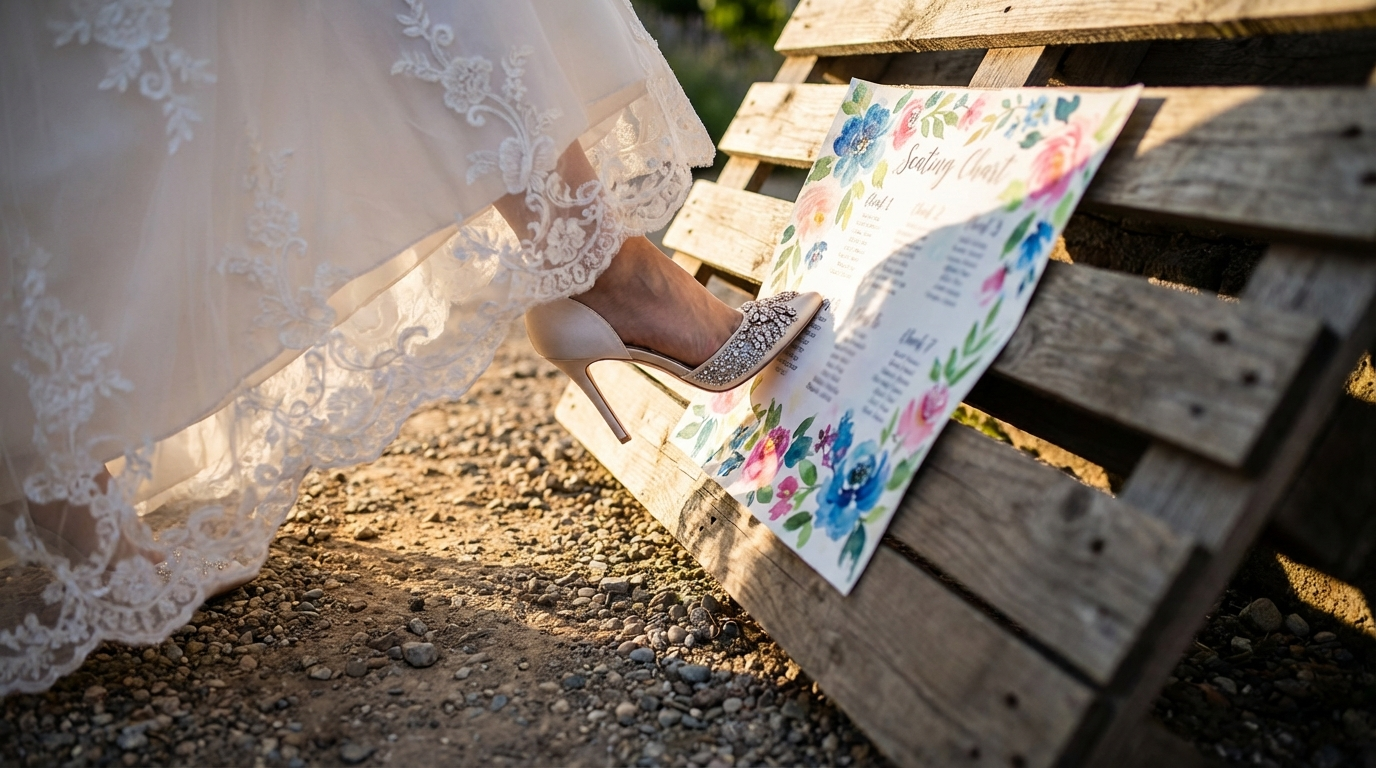
Once you're satisfied with your seating arrangement, finalize the plan and communicate it to your venue and caterer. Provide them with a detailed seating chart and any specific instructions regarding dietary restrictions or other special needs. Consider displaying a large, easy-to-read seating chart at the entrance to the reception area to help guests find their tables.
Tips for Avoiding Seating Chart Disasters
Beyond the basic steps, here are some additional tips to ensure your wedding seating plan is a success:
- Start early: Don't wait until the last minute to create your seating chart. Give yourself ample time to gather information, consider different options, and make adjustments.
- Seek input: Consult with your partner, family members, and close friends to get their insights and suggestions. They may have valuable knowledge about your guests that you're not aware of.
- Be flexible: Be prepared to make changes as needed. Guest lists can fluctuate, and unforeseen circumstances may arise. Stay adaptable and willing to adjust your plan accordingly.
- Consider the flow: Think about how guests will move around the venue. Ensure that there's enough space between tables for comfortable movement and that the seating arrangement doesn't obstruct access to key areas like the dance floor or bar.
Wedding Seating Plan Examples: Success vs. Failure
Let's look at some concrete examples to illustrate the difference between a successful and unsuccessful wedding seating plan:
Successful Seating Plan
- Guests with shared interests are seated together, sparking engaging conversations.
- Family members with known conflicts are strategically separated, minimizing tension.
- Single guests are integrated into tables with people they already know or share commonalities with.
- The seating arrangement flows smoothly and allows for easy movement around the venue.
- Guests feel comfortable, included, and enjoy their dining experience.
Unsuccessful Seating Plan
- The "singles table" isolates unmarried guests and highlights their relationship status.
- Feuding family members are seated next to each other, leading to awkwardness and tension.
- Guests are seated at tables where they don't know anyone or feel any connection to the other guests.
- The seating arrangement is cramped and makes it difficult for guests to move around.
- Guests feel uncomfortable, excluded, and have a negative dining experience.
Common Mistakes to Avoid When Creating Your Seating Chart
Creating a seating chart can be challenging, and it's easy to make mistakes. Here are some common pitfalls to avoid:
- Ignoring guest relationships: Failing to consider how guests interact with each other is a major mistake. Pay attention to family dynamics, friend groups, and potential conflicts.
- Overlooking special needs: Neglecting dietary restrictions, allergies, or physical limitations can lead to discomfort and inconvenience for your guests.
- Waiting until the last minute: Procrastinating on your seating chart can result in a rushed and poorly thought-out plan. Start early and give yourself ample time to make adjustments.
Expert Tips for a Stress-Free Seating Chart Experience
Here's some pro advice to make your wedding seating plan process a breeze:
- Use technology to your advantage: Leverage online seating chart tools like SeatingChartCreator.com to streamline the planning process and visualize your seating arrangement.
- Delegate tasks: Don't be afraid to ask for help from your partner, family members, or wedding planner. They can assist with gathering information, making suggestions, and managing the logistics.
- Stay organized: Keep track of your guest list, venue layout, and seating preferences in a central location. This will help you stay on top of the details and avoid confusion.
Frequently Asked Questions
Ideally, you should start working on your wedding seating plan 4-6 weeks before your wedding date. This gives you enough time to gather information, consider different options, and make adjustments as needed. However, it's important to wait until you have a relatively firm RSVP count before finalizing your seating arrangement. Last-minute changes to the guest list can significantly impact your seating plan.
Get Event Planning Tips
Weekly tips on seating arrangements, event layouts, and planning strategies.
SeatingChart Team
Our team of event planning experts is dedicated to helping you create unforgettable events with perfect seating arrangements.
Ready to Create Your Seating Chart?
Start planning your perfect event layout with our free drag-and-drop seating chart creator. No sign-up required to try it out!
Try Free Seating Chart Creator