Planning a wedding is an exciting journey, but it can also be overwhelming. One of the most crucial, yet often underestimated, tasks is creating the seating chart. You want your guests to feel comfortable, enjoy their meals, and mingle with others. While DIY projects can add a personal touch to your wedding, a DIY seating chart wedding without proper planning can lead to major headaches. We're here to help you navigate the potential pitfalls and ensure your table arrangement contributes to a smooth and enjoyable reception. Avoid these common disasters and make your special day truly unforgettable.
Key Takeaways
- Failing to finalize your guest list before creating your seating chart can lead to endless revisions.
- Ignoring guest dynamics and personalities can result in awkward or uncomfortable table arrangements.
- Choosing a seating chart display that's impractical or difficult to read can cause confusion and delays.
- Not considering the venue layout and table sizes can lead to logistical nightmares on your wedding day.
- Overcomplicating your seating chart design can make it difficult for guests to find their assigned seats.
Why a Well-Planned Seating Chart Matters
A seating chart isn’t just a list of names; it’s a strategic tool for creating a positive and engaging atmosphere at your wedding reception. When done right, it can encourage mingling, foster new friendships, and ensure that everyone feels included. Think of it as orchestrating a symphony of interactions. A well-thought-out table arrangement considers guest relationships, personalities, and interests, leading to lively conversations and a memorable experience for all.
On the other hand, a poorly planned seating plan can lead to awkward silences, forced interactions, and even hurt feelings. Imagine placing feuding family members at the same table or seating guests with vastly different interests together. These scenarios can create tension and detract from the joyous atmosphere you're trying to create. Taking the time to create a thoughtful seating chart shows your guests that you care about their comfort and enjoyment.
Consider the flow of the evening. Where are the key locations, such as the dance floor, bar, and restrooms? Strategic placement of tables can encourage guests to move around and interact with different groups. A well-designed seating chart can also help manage traffic flow, preventing bottlenecks and ensuring that guests can easily navigate the venue.
Disaster #1: The Unfinalized Guest List
One of the biggest mistakes you can make when creating a DIY seating chart wedding is starting before your guest list is absolutely final. Changes are inevitable during the wedding planning process, but constantly shifting names and numbers will turn your seating plan into a never-ending puzzle. Imagine spending hours arranging and rearranging tables, only to have several guests RSVP "no" at the last minute. Or, worse, having to squeeze in unexpected plus-ones.
Aim to have at least 90% of your RSVPs in before you begin working on your seating chart. This will minimize the need for major revisions and save you a considerable amount of time and stress. Set a firm RSVP deadline and follow up with guests who haven't responded to ensure an accurate headcount. Once you have a solid number, you can confidently start assigning seats.
Also, be prepared for last-minute cancellations. Have a few flexible seating options in mind so you can easily adjust the table arrangement without causing major disruptions. Consider designating a "swing" table where you can move guests from other tables to fill empty spots. This will help maintain balance and prevent any table from feeling empty or incomplete.
Disaster #2: Ignoring Guest Dynamics
A seating chart is more than just names on a list; it's a reflection of the relationships and dynamics among your guests. Ignoring these dynamics is a surefire way to create awkward and uncomfortable situations. Consider the personalities, interests, and relationships of your guests when assigning seats. Placing introverted guests at a table full of extroverts, or seating feuding family members together, is a recipe for disaster.
Think about who your guests know and get along with. Group friends, family members, and colleagues together to create a comfortable and familiar atmosphere. Consider seating guests with similar interests together, even if they don't know each other well. This can spark new conversations and foster new friendships. Don't be afraid to strategically mix and match groups to create a dynamic and engaging table arrangement.
Also, be mindful of sensitive situations. Avoid seating divorced parents near each other, or placing guests who have recently experienced a loss at a table full of boisterous partiers. Consider their emotional needs and create a seating plan that is sensitive and supportive. Ultimately, the goal is to create an environment where everyone feels comfortable, happy, and included.
Disaster #3: Impractical Seating Chart Displays
You've meticulously planned your table arrangement, but all that hard work can be undone by an impractical or confusing seating chart display. Imagine guests crowding around a tiny, handwritten list, struggling to find their names and table numbers. Or, worse, a beautifully designed display that's difficult to read due to poor lighting or small font sizes. The display is the first impression your guests have of the seating arrangement, so make sure it's clear, concise, and easy to navigate.
Consider the size and layout of your venue when choosing a display. A large, elaborate display might be perfect for a grand ballroom, but it could overwhelm a smaller, more intimate space. Choose a display that complements the overall aesthetic of your wedding and is easy to see from a distance. Use clear, legible fonts and arrange names alphabetically or by table number to make it easy for guests to find their assigned seats.
Think about adding visual cues to help guests navigate the display. Use different colors or fonts to distinguish between tables or groups of guests. Consider adding a small map of the venue to show the location of each table. And don't forget to provide adequate lighting so guests can easily read the display, even in dimly lit areas.
How to Design a Clear and Concise Seating Chart Display
Creating a clear and concise seating chart display is crucial for a smooth and stress-free reception. Follow these steps to ensure your guests can easily find their assigned seats and start enjoying the celebration.
Choose Your Display Format
Decide on the format of your seating chart display. Options include a large board with names listed under table numbers, individual cards arranged alphabetically, or a digital display on a screen. Consider the size and style of your venue when making your decision.
Select Clear Fonts and Colors
Choose fonts that are easy to read from a distance. Avoid overly decorative or script fonts. Use contrasting colors for the background and text to ensure readability. For example, black text on a white or light-colored background is a classic and effective choice.
Organize Names Logically
Arrange names alphabetically by last name or by table number. Alphabetical listings make it easy for guests to quickly find their names, while table number listings help guests locate their tables once they've found their names. A combined approach can also work well.
Include Table Numbers Prominently
Make sure table numbers are clearly visible and easy to read. Use large, bold numbers that stand out from the surrounding text. Consider using decorative table number holders or unique signage to add a touch of style.
Test the Display
Before the wedding day, test the display by having someone unfamiliar with the seating chart try to find their name. This will help you identify any potential issues and make necessary adjustments. Ensure the lighting is adequate and the display is placed in a easily accessible location.
Disaster #4: Ignoring Venue Layout and Table Sizes
Failing to consider the venue layout and table sizes is a common mistake that can lead to logistical nightmares on your wedding day. Imagine painstakingly creating a seating chart, only to discover that your tables are too small to accommodate the assigned number of guests. Or, worse, that your tables don't fit comfortably in the designated space, creating cramped and uncomfortable conditions.
Before you start working on your seating plan, obtain a detailed floor plan of your venue, including the dimensions of the space and the location of key features like doors, windows, and pillars. Determine the size and shape of your tables and how many guests can comfortably be seated at each one. Round tables typically seat 8-10 guests, while rectangular tables can accommodate more, depending on their length.
Consider the spacing between tables to ensure guests have enough room to move around comfortably. Aim for at least 3 feet of space between tables to allow for easy passage. Also, be mindful of the placement of tables in relation to the dance floor, bar, and other key areas. You want to create a flow that encourages mingling and interaction without causing congestion or bottlenecks.
How to Use SeatingChartCreator.com to Avoid Seating Disasters
Creating a seating chart doesn't have to be a stressful experience. With SeatingChartCreator.com, you can easily design and manage your table arrangement online, avoiding common pitfalls and ensuring a smooth and enjoyable wedding reception.
Design Your Perfect Seating Chart
Free drag-and-drop seating chart creator for weddings, events, and venues. Export professional PDFs in minutes.
Create Free Seating ChartInput Your Guest List
Start by adding your guest list to SeatingChartCreator.com. You can import a spreadsheet or manually enter names and any relevant information, such as dietary restrictions or special needs.
Design Your Venue Layout
Use the drag-and-drop interface to create a virtual representation of your venue. Add tables, chairs, and other elements to accurately reflect the space. You can customize the size and shape of tables to match your venue's specifications.
Assign Guests to Tables
Easily assign guests to tables by dragging and dropping their names onto the desired table. The platform automatically calculates the number of guests at each table, helping you avoid overcrowding.
Visualize Your Seating Chart
View your seating chart from different angles to ensure optimal flow and guest interaction. You can easily rearrange tables and guests until you're satisfied with the arrangement.
Share and Collaborate
Share your seating chart with your wedding planner, family members, or friends for feedback and suggestions. Collaborate in real-time to make adjustments and finalize the arrangement.
Disaster #5: Overcomplicating the Design
While it's tempting to create a visually stunning and elaborate seating chart, overcomplicating the design can actually make it more difficult for guests to find their assigned seats. A complex layout, confusing typography, or excessive embellishments can distract from the primary purpose of the display: to clearly communicate where each guest is seated.
Keep your seating chart design simple and straightforward. Choose a clean and legible font, use clear and concise language, and avoid unnecessary decorations. Focus on functionality and ease of use. The goal is to make it as easy as possible for guests to find their names and table numbers without feeling overwhelmed or confused. Remember, less is often more when it comes to design.
Consider using a consistent design theme throughout your wedding, but don't let the theme overshadow the functionality of the seating chart. A subtle and elegant design can be just as effective as a bold and elaborate one. Prioritize clarity and readability above all else, and your guests will appreciate your thoughtful and practical approach.
Tips for Creating a Guest-Friendly Seating Chart
Creating a guest-friendly seating chart is all about putting yourself in your guests' shoes and considering their needs and preferences. Here are some tips to help you create a table arrangement that is both functional and enjoyable for everyone.
- Consider Age Groups: Group guests of similar ages together. This can help spark conversation and create a more comfortable atmosphere.
- Mix and Match: Don't be afraid to mix and match different groups of guests. Introduce friends from different circles to expand their social networks.
- Be Mindful of Plus-Ones: Make an effort to seat plus-ones near people they might know or have something in common with. This can help them feel more welcome and included.
- Strategic Placement: Place key guests, such as family members or close friends, near the head table or in prominent locations.
- Consider Dietary Needs: Note any dietary restrictions or allergies and inform your caterer and venue. This will ensure that all guests have a safe and enjoyable meal.
Seating Chart Examples and Inspirations
Looking for inspiration for your DIY seating chart wedding? Here are a few examples to spark your creativity.
Elegant and Classic
- Mirrored surface with calligraphy names
- Floral accents and romantic lighting
- Simple and easy-to-read font
Rustic and Chic
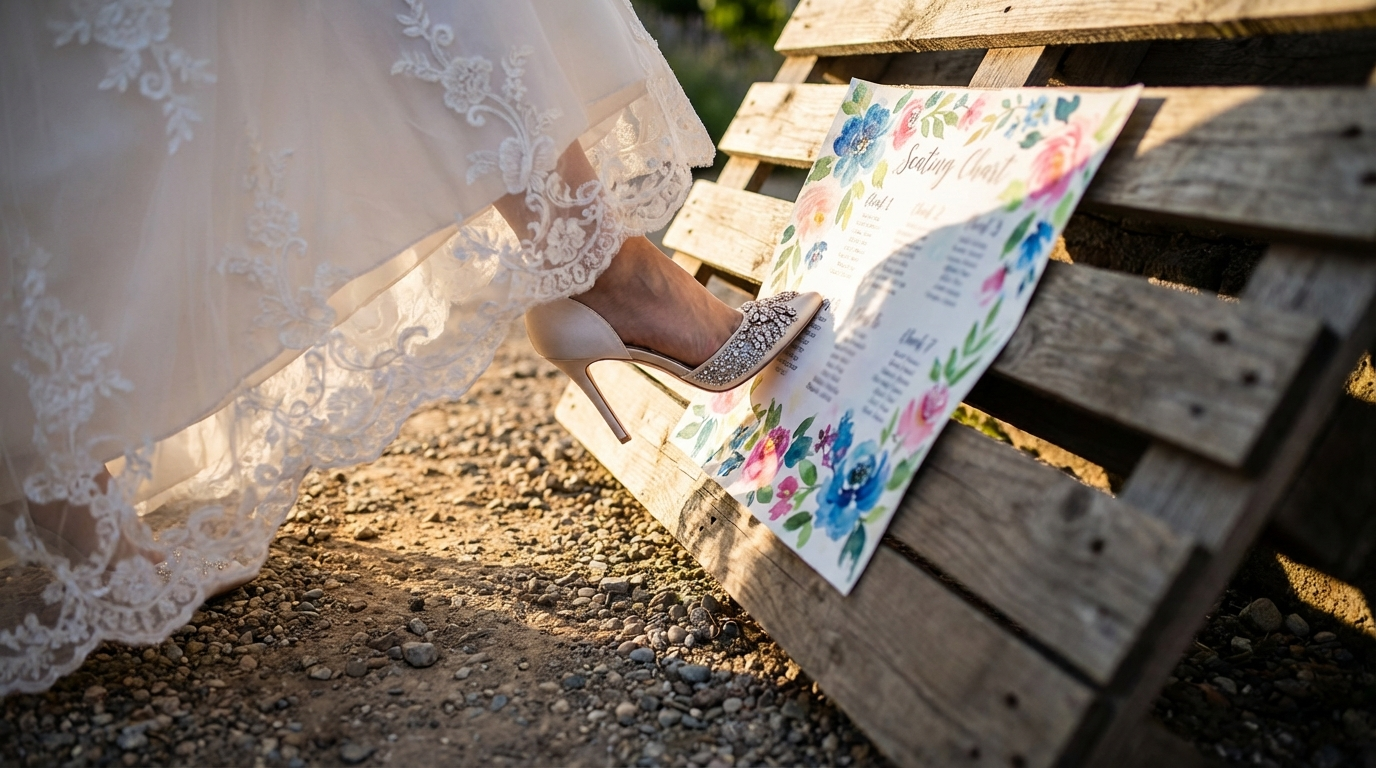
- Wooden pallet with hand-painted names
- Twine and greenery embellishments
- Chalkboard lettering for a vintage feel
Modern and Minimalist
- Acrylic board with clean typography
- Geometric patterns and metallic accents
- Color-coded table assignments
Whimsical and Fun
- Escort cards attached to miniature props
- Themed table names based on hobbies or interests
- Playful and colorful design
Ultimately, the best seating chart design is one that reflects your personal style and complements the overall aesthetic of your wedding. Draw inspiration from these examples, but don't be afraid to add your own unique touches to create a display that is truly special and memorable.
Common Mistakes to Avoid
Creating a seating chart can be tricky. Here are some common mistakes to avoid:
- Waiting Until the Last Minute: Don't wait until the week before your wedding to start working on your seating chart. Give yourself plenty of time to plan and make adjustments.
- Not Communicating with Your Venue: Stay in close communication with your venue to confirm table sizes, layout options, and any other logistical details.
- Ignoring Special Needs: Be mindful of any guests with disabilities or special needs and ensure they are seated in accessible locations.
- Not Proofreading: Double-check your seating chart for spelling errors or incorrect table assignments before printing or displaying it.
Expert Tips for a Stress-Free Seating Chart Experience
Here are some expert tips to help you navigate the seating chart process with ease and confidence.
- Start Early: Begin planning your seating chart as soon as you have a solid guest list to avoid last-minute stress.
- Gather Input: Ask for input from family members or close friends who know your guests well.
- Be Flexible: Be prepared to make adjustments as needed, especially if you receive late RSVPs or cancellations.
- Prioritize Relationships: Focus on seating guests near people they know and enjoy spending time with.
- Use Technology: Take advantage of online seating chart tools like SeatingChartCreator.com to streamline the process. Create Your Seating Chart
Frequently Asked Questions
Ideally, you should start working on your seating chart about 4-6 weeks before your wedding. This gives you enough time to gather RSVPs, consider guest dynamics, and make any necessary adjustments. Waiting until the last minute can lead to unnecessary stress and rushed decisions.
Get Event Planning Tips
Weekly tips on seating arrangements, event layouts, and planning strategies.
SeatingChart Team
Our team of event planning experts is dedicated to helping you create unforgettable events with perfect seating arrangements.
Ready to Create Your Seating Chart?
Start planning your perfect event layout with our free drag-and-drop seating chart creator. No sign-up required to try it out!
Try Free Seating Chart Creator