The jewish wedding seating etiquette Hack That Saved My Wedding Reception
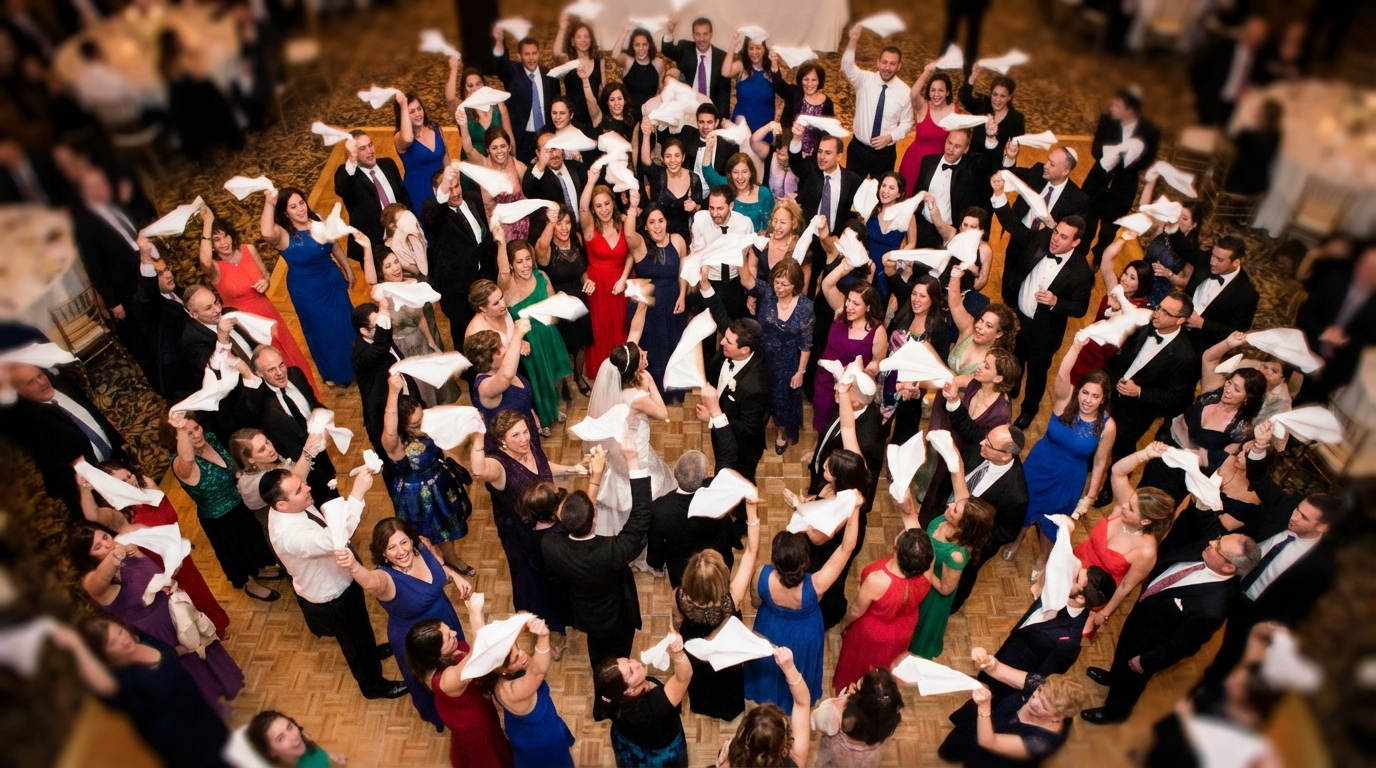
Planning a Jewish wedding is a joyous occasion filled with rich traditions and meaningful customs. However, when it comes to the reception, navigating Jewish wedding seating etiquette can feel like a daunting task. You want to honor family relationships, accommodate different levels of observance, and ensure all your guests feel welcome and comfortable. It’s a puzzle, but with a little planning and consideration, you can create a table arrangement that fosters warmth and celebration.
Key Takeaways
- Understand the importance of family dynamics and traditions in Jewish wedding seating.
- Consider levels of religious observance when planning your seating chart.
- Use a seating chart tool like SeatingChartCreator.com to streamline the process.
- Communicate with family members to address potential seating conflicts proactively.
- Prioritize creating a warm and inclusive atmosphere for all guests.
Why is Jewish Wedding Seating Etiquette So Important?
Jewish wedding seating etiquette isn't just about assigning seats; it's about respecting family history, honoring traditions, and creating an inclusive environment. In Jewish culture, family plays a central role, and the seating arrangement at a wedding reception reflects these familial bonds. Thoughtful seating can strengthen relationships and avoid potential conflicts. Failing to consider these nuances can inadvertently cause offense or discomfort, impacting the overall atmosphere of your celebration.
Design Your Perfect Seating Chart
Free drag-and-drop seating chart creator for weddings, events, and venues. Export professional PDFs in minutes.
Create Free Seating ChartFor example, seating divorced parents far apart or overlooking the importance of seating elderly relatives near restrooms can create unnecessary stress. Similarly, understanding the different levels of religious observance among your guests is crucial. Some guests may prefer to sit separately by gender, while others may be more comfortable in mixed seating arrangements. By addressing these considerations proactively, you demonstrate respect for your guests' beliefs and create a more harmonious celebration.
Creating a meticulously planned seating plan communicates to your guests that their comfort and enjoyment matter. It shows you've put thought and effort into making them feel welcome and valued. This attention to detail can significantly enhance their experience and contribute to the overall success of your wedding reception. A well-thought-out table arrangement can foster conversation, create new connections, and leave a lasting positive impression on your guests.
Key Considerations for Your Jewish Wedding Seating Chart
Creating your Jewish wedding seating chart requires careful consideration of several factors. These include family dynamics, religious observance, guest relationships, and venue layout. Ignoring these elements can lead to awkward situations and potential disruptions during your reception. Let's delve into each of these aspects to help you make informed decisions.
Family Dynamics: This is often the most complex aspect. Think about family relationships, potential conflicts, and any sensitivities. Consider divorced parents, blended families, and estranged relatives. Seating them strategically can prevent uncomfortable interactions. It's often best to seat divorced parents at separate tables, preferably with other family members or friends who can provide support and companionship.
Religious Observance: Understand the different levels of observance among your guests. Some Orthodox guests may prefer separate seating for men and women, while more liberal guests may be comfortable with mixed seating. If you have guests with varying levels of observance, consider creating separate sections with appropriate seating arrangements. Communicate with your guests beforehand to understand their preferences and ensure their comfort.
Guest Relationships: Consider how your guests know each other. Seat friends together, and try to group people with common interests or backgrounds. This will encourage conversation and create a more enjoyable atmosphere. Think about personality types too. Pairing outgoing guests with quieter ones can help balance the energy at each table and foster engaging interactions.
Venue Layout: The physical layout of your venue will also influence your seating plan. Consider the location of the dance floor, the stage, restrooms, and the entrance. Seat elderly guests or those with mobility issues closer to restrooms and away from loud music. Ensure there's enough space between tables for guests to move around comfortably. A well-designed layout promotes a smooth flow and enhances the overall guest experience.
How to Handle Divorced Parents in Your Seating Arrangement
Navigating the seating arrangement when divorced parents are present can be one of the trickiest aspects of Jewish wedding seating etiquette. The key is to prioritize their comfort and minimize potential awkwardness. Here’s a step-by-step guide to help you navigate this delicate situation:
Communicate Openly
Talk to each parent individually about your plans. Be transparent and empathetic, and explain that your goal is to ensure everyone feels comfortable and respected. Ask for their input and address any concerns they may have.
Seat Them Separately
Unless your parents have a genuinely amicable relationship, it’s generally best to seat them at separate tables. Avoid placing them directly across from each other or within close proximity.
Surround Them with Supportive Company
Seat each parent with other close family members or friends who can provide support and companionship. Consider siblings, cousins, or long-time friends who understand the situation and can help create a positive atmosphere.
Consider Their Preferences
If one parent has a strong preference for where they would like to sit, try to accommodate their request if possible. This shows that you value their feelings and are willing to work with them to create a comfortable experience.
Avoid Favoritism
Be careful not to show favoritism towards one parent over the other. This can create resentment and exacerbate existing tensions. Treat both parents with equal respect and consideration.
Remember, the goal is to create a peaceful and enjoyable celebration for everyone. By communicating openly, seating parents separately, and surrounding them with supportive company, you can minimize potential conflicts and ensure that both parents feel valued and respected.
Using SeatingChartCreator.com to Simplify Your Seating Plan
Creating a seating chart can be overwhelming, but tools like SeatingChartCreator.com can significantly simplify the process. This free online tool offers a user-friendly interface and drag-and-drop functionality, making it easy to visualize and adjust your table arrangement. Here's how to use SeatingChartCreator.com to streamline your planning:
Input Your Guest List
Start by entering your guest list into the system. You can manually add each guest or import a spreadsheet. Be sure to include relevant information such as their relationship to the couple and any dietary restrictions or special needs.
Design Your Venue Layout
Recreate your venue's floor plan by adding tables, chairs, and other elements. You can customize the size and shape of the tables to match your actual setup. This visual representation will help you visualize the flow of the room and make informed seating decisions.
Drag and Drop Guests to Tables
Assign guests to tables using the intuitive drag-and-drop interface. You can easily move guests around until you find the perfect arrangement. The tool also allows you to add notes to each guest, such as their level of religious observance or any seating preferences they may have expressed.
Collaborate and Share
Share your seating chart with family members or your wedding planner for feedback and collaboration. This ensures that everyone is on the same page and that any potential issues are addressed proactively.
Print and Export
Once you're satisfied with your seating chart, you can print it out for your venue staff or export it in various formats for easy sharing. This ensures that your seating plan is readily available on the day of your wedding.
By using SeatingChartCreator.com, you can save time and reduce stress during the wedding planning process. The tool's user-friendly interface and collaborative features make it an invaluable asset for creating a seamless and enjoyable seating experience for your guests. Plus, it’s free! You can Create Your Seating Chart today.
Tips for Accommodating Different Levels of Observance
As mentioned, accommodating different levels of religious observance is crucial in Jewish wedding seating etiquette. This requires sensitivity, understanding, and open communication with your guests. Here are some practical tips for creating an inclusive and respectful environment:
Offer Seating Options: Provide a variety of seating arrangements to cater to different preferences. This could include separate seating for men and women in one section, mixed seating in another, and family-only tables. Clearly label each section so guests can easily find the arrangement that best suits their needs.
Communicate Clearly: When sending out invitations or communicating with guests, clearly indicate the seating options available. This allows guests to express their preferences in advance and helps you plan accordingly. You can include a question on the RSVP card asking guests about their seating preferences.
Consult with Religious Leaders: If you're unsure about the best way to accommodate different levels of observance, consult with your rabbi or other religious leaders. They can provide guidance and help you make informed decisions that align with Jewish law and tradition.
Be Flexible: Be prepared to make adjustments to your seating chart as needed. Some guests may change their minds at the last minute, or unexpected circumstances may arise. Being flexible and accommodating will help ensure that everyone feels comfortable and respected.
Create a Welcoming Atmosphere: Regardless of the seating arrangement, strive to create a welcoming and inclusive atmosphere for all guests. This includes greeting them warmly, making introductions, and ensuring that they have everything they need to enjoy the celebration.
Creative Seating Chart Ideas for a Jewish Wedding
Beyond the traditional considerations, you can add creative flair to your seating chart to reflect your personal style and enhance the overall wedding theme. Here are some ideas to inspire you:
Themed Tables: Instead of numbering your tables, name them after meaningful places, events, or symbols in your relationship. For example, you could use names of cities you've visited together, significant dates, or Jewish holidays. This adds a personal touch and sparks conversation among guests.
Escort Cards with a Twist: Instead of traditional escort cards, consider using personalized items that reflect your interests or the wedding theme. For example, you could use small succulents, miniature bottles of wine, or handwritten notes with a favorite quote or memory. These unique escort cards serve as both seating assignments and memorable keepsakes.
Interactive Seating Display: Create an interactive seating display that encourages guests to mingle and explore. This could be a large chalkboard with guests' names and table assignments, a photo booth with props related to the wedding theme, or a custom-designed puzzle where guests find their names on the pieces.
Digital Seating Chart: Display your seating chart on a large screen or projector at the entrance to the reception. This is a modern and eco-friendly alternative to traditional printed charts. You can also incorporate interactive elements, such as guest photos and personalized messages.
Charity Donation in Lieu of Favors: Instead of traditional wedding favors, consider making a donation to a charity in your guests' names and placing a card at each table explaining the donation. This is a meaningful way to give back to the community and align your wedding with Jewish values.
Examples of Good and Bad Seating Arrangements
To further illustrate the principles of Jewish wedding seating etiquette, let's look at some examples of good and bad seating arrangements:
Good Seating Arrangement
- Divorced parents seated at separate tables with supportive family members.
- Guests with mobility issues seated close to restrooms and away from loud music.
- Friends and acquaintances seated together to foster conversation.
- Orthodox guests offered separate seating options.
- Singles table created to help unmarried guests connect.
Bad Seating Arrangement
- Divorced parents seated at the same table, creating tension.
- Elderly guests seated far from restrooms, causing discomfort.
- Guests with opposing political views seated together, leading to arguments.
- Guests with dietary restrictions not informed about menu options.
- No consideration given to religious observance, causing offense.
These examples highlight the importance of considering various factors when creating your seating plan. A good seating arrangement prioritizes guest comfort, respects traditions, and fosters a positive atmosphere. A bad seating arrangement, on the other hand, can lead to awkwardness, discomfort, and even conflict.
Common Mistakes to Avoid in Jewish Wedding Seating
While planning your Jewish wedding seating chart, it's essential to be aware of common pitfalls that can undermine your efforts. Avoiding these mistakes will help ensure a smooth and enjoyable experience for your guests:
Ignoring Family Dynamics: As mentioned earlier, family dynamics are a crucial consideration. Ignoring potential conflicts or sensitivities can create unnecessary stress and awkwardness. Take the time to understand the relationships between your guests and seat them accordingly.
Overlooking Religious Observance: Failing to accommodate different levels of religious observance can cause offense and discomfort. Be sure to offer seating options that cater to various preferences and communicate clearly with your guests about the available arrangements.
Forgetting About Guest Needs: Consider the individual needs of your guests. Seat elderly guests or those with mobility issues close to restrooms and away from loud music. Be mindful of dietary restrictions and inform guests about menu options. Providing these accommodations demonstrates that you care about their well-being.
Creating Imbalances: Avoid creating tables with too many introverted or extroverted guests. Strive for a balance of personalities to encourage conversation and create a more engaging atmosphere. Also, consider the age range at each table to ensure that guests have common interests and experiences to share.
Expert Tips for a Stress-Free Seating Chart Experience
To ensure a stress-free seating chart experience, consider these expert tips:
Start Early: Begin planning your seating chart as soon as you have a confirmed guest list. This gives you ample time to gather information, consider different options, and make adjustments as needed.
Gather Information: Collect as much information as possible about your guests, including their relationships, interests, and any special needs or preferences. This will help you make informed seating decisions.
Visualize Your Layout: Use a seating chart tool like SeatingChartCreator.com to visualize your venue layout and experiment with different seating arrangements. This will help you identify potential problems and find the optimal configuration.
Communicate Clearly: Communicate your seating plan to your venue staff and wedding planner. This ensures that everyone is on the same page and that the seating arrangement is executed smoothly on the day of your wedding.
Delegate Tasks: Don't try to do everything yourself. Delegate tasks to family members or friends to lighten your load and reduce stress. For example, you could ask someone to gather information about your guests or to help with the seating chart design.
Remember the Big Picture: While seating arrangements are important, they are just one aspect of your wedding celebration. Don't get bogged down in the details or let seating chart stress overshadow the joy of your special day. Focus on creating a warm and inclusive atmosphere where everyone feels welcome and celebrated. More tips can be found on our More Event Planning Tips page.
Frequently Asked Questions
It's best to start working on your seating chart about 4-6 weeks before your wedding. This allows you to get a final headcount, account for any last-minute changes, and have enough time to make thoughtful decisions without feeling rushed. Waiting too long can add unnecessary stress to an already busy period.
Get Event Planning Tips
Weekly tips on seating arrangements, event layouts, and planning strategies.
SeatingChart Team
Our team of event planning experts is dedicated to helping you create unforgettable events with perfect seating arrangements.
Ready to Create Your Seating Chart?
Start planning your perfect event layout with our free drag-and-drop seating chart creator. No sign-up required to try it out!
Try Free Seating Chart Creator