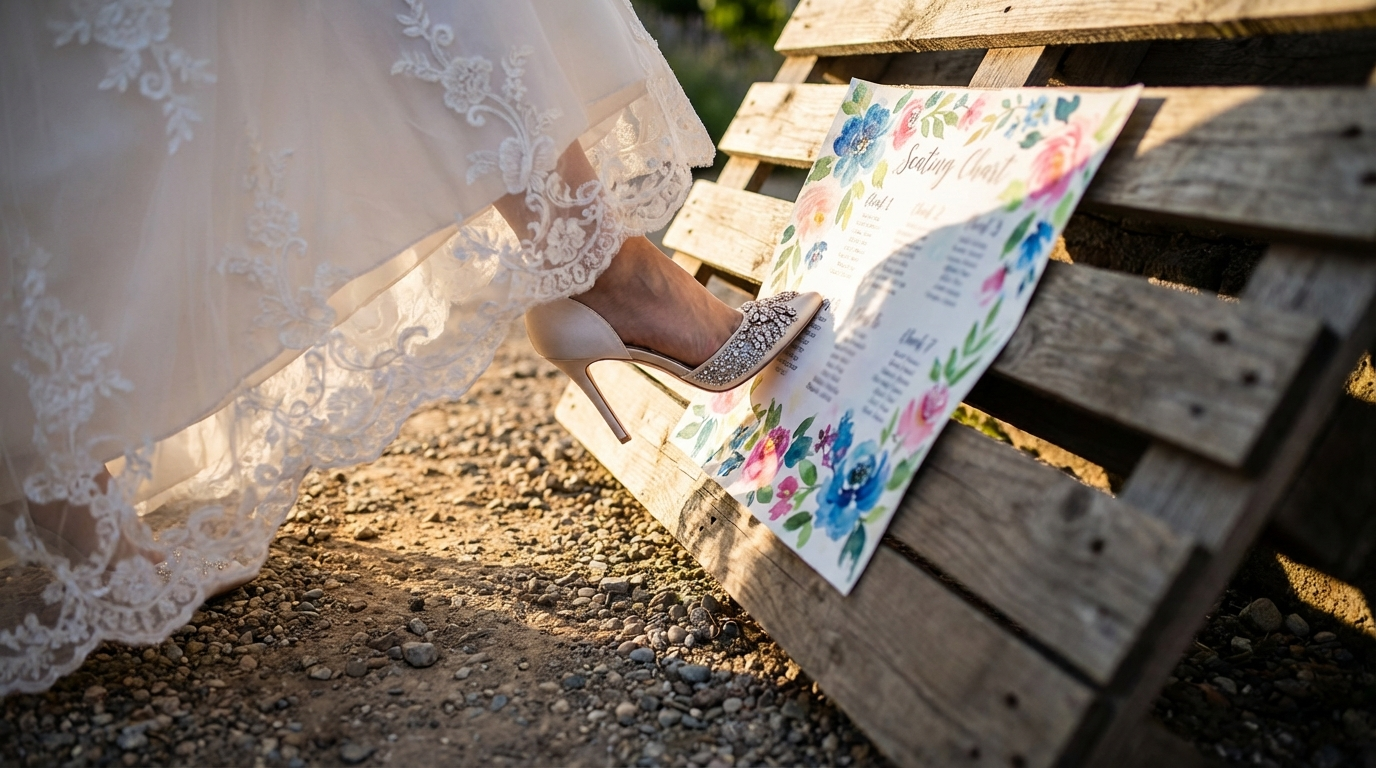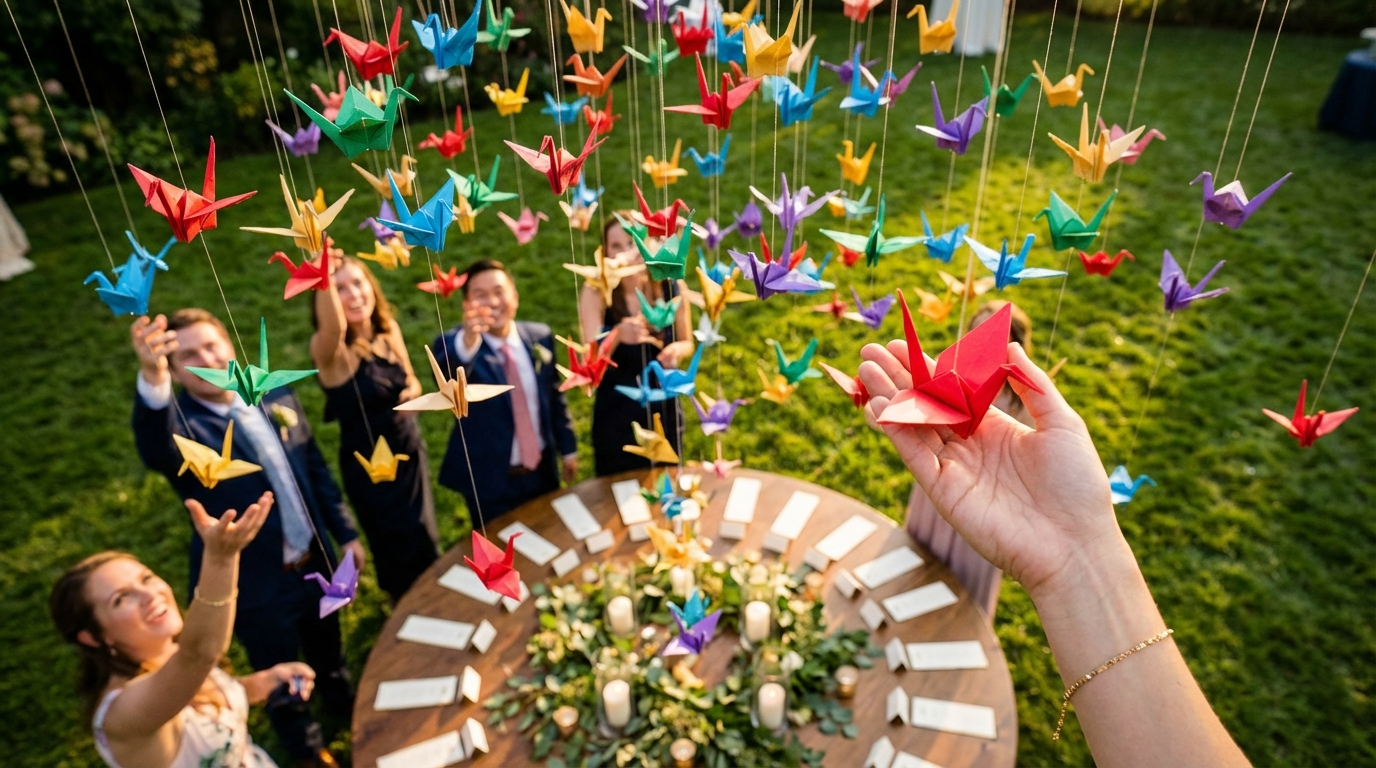
Planning a wedding in 2026? Congratulations! Amidst the excitement of choosing the venue, the dress, and the cake, don't overlook one crucial detail: the seating chart. A well-thought-out printable wedding seating chart isn't just about logistics; it's about creating an atmosphere of connection and ensuring your guests have a fantastic time. Surprisingly, many couples underestimate the power of a strategic seating arrangement, and that can lead to awkward silences and missed opportunities for mingling. Let's explore how to create a seating chart that will have your guests raving about your wedding for years to come.
Key Takeaways
- A well-planned seating chart enhances guest experience and promotes mingling.
- Using a printable wedding seating chart helps visualize and organize your table arrangements.
- Consider guest relationships, interests, and personalities when assigning seats.
- Tools like SeatingChartCreator.com can simplify the seating chart creation process.
- Don't wait until the last minute to start planning your seating chart to avoid stress.
Why is a Seating Chart So Important for Your Wedding?
You might be wondering, "Do I really need a seating chart?" The answer is a resounding yes! Think of your wedding as a beautifully orchestrated event. The seating chart is your conductor's score, guiding the flow and ensuring harmony. Without it, you risk chaos and discomfort. A printable wedding seating chart allows you to purposefully place guests where they'll be most comfortable and likely to enjoy themselves.
Design Your Perfect Seating Chart
Free drag-and-drop seating chart creator for weddings, events, and venues. Export professional PDFs in minutes.
Create Free Seating ChartImagine inviting people from different parts of your life: family, friends from college, work colleagues. They might not know each other. A thoughtful seating plan can bridge those gaps, fostering new connections and making everyone feel included. By strategically placing guests with shared interests or personalities, you can spark conversations and create a more vibrant and engaging atmosphere. Don't leave it up to chance!
Beyond social dynamics, a seating chart also serves a practical purpose. It avoids the awkward scramble for seats, ensures that VIP guests are given the best spots, and helps you manage any dietary restrictions or special needs. It's a small detail that can make a big difference in the overall success of your wedding reception.
The Psychology Behind a Great Seating Chart
Creating a printable wedding seating chart isn't just about filling tables; it's about understanding human interaction. Consider the psychology of group dynamics. People are more likely to engage with those seated nearby. Think about introverts versus extroverts. An outgoing guest might help draw a quieter one out of their shell. Strategically pairing guests can lead to surprisingly positive interactions.
Ask yourself: Who knows whom? Who has similar interests? Who might enjoy each other's company? Use this information to create mini-communities at each table. Avoid seating feuding family members next to each other (obviously!). Consider family dynamics and potential sensitivities.
Also, think about sightlines. Guests will appreciate being able to see the head table or the dance floor. Avoid placing anyone with mobility issues too far from restrooms or exits. These small considerations show your guests that you care about their comfort and enjoyment.
How to Gather Information for Your Seating Chart
Before you can start creating your printable wedding seating chart, you need to gather information about your guests. This involves more than just their names and addresses. Think of it as conducting a mini-investigation into their personalities, interests, and relationships.
The first step is to send out RSVP cards with a space for guests to indicate any dietary restrictions or special needs. This is crucial for ensuring everyone can enjoy the meal comfortably. You can also include a line for guests to list any friends or family members they'd like to be seated near.
Beyond the RSVP, don't be afraid to do some informal research. Talk to family members and friends who know your guests well. Ask them about their personalities, their hobbies, and their connections to other guests. This information can be invaluable in creating a seating chart that fosters connection and avoids awkwardness.
Social media can also be a useful tool. A quick scan of your guests' profiles can give you insights into their interests and activities. Just be discreet and avoid making assumptions based on superficial information.
Step-by-Step Guide to Creating Your Perfect Seating Chart
Ready to get started on your printable wedding seating chart? Here's a step-by-step guide to help you through the process:
Confirm Your Guest List
Before you can start planning your seating chart, you need a final, confirmed guest list. This includes knowing exactly who is attending and who is not. Send out reminders to those who haven't RSVP'd and set a firm deadline.
Determine Your Table Layout
Work with your venue to determine the table layout. How many tables will there be? What shape are they (round, rectangular, square)? How many people can comfortably sit at each table? Get a floor plan of the venue, if possible. This will make the next steps much easier.
Identify VIP Guests
Determine who your VIP guests are (parents, grandparents, siblings, bridal party). These guests should be given priority seating, typically closer to the head table or in areas with good sightlines.
Group Guests by Relationship
Start grouping guests based on their relationships to you and to each other. Family members should be seated together, as should close friends. Think about shared interests and personalities when creating these groups.
Assign Guests to Tables
Now comes the fun part: assigning guests to specific tables. Use your knowledge of their relationships, interests, and personalities to create a balanced and engaging atmosphere at each table. Consider using a printable wedding seating chart template to visualize the arrangements.
Finalize and Print Your Seating Chart
Once you're happy with your seating arrangements, finalize your printable wedding seating chart. Double-check for any errors or omissions. Print out a copy to share with your venue coordinator and caterer. You can also display a large-format seating chart at the entrance to the reception to guide guests to their tables.
Using SeatingChartCreator.com to Simplify the Process
Creating a printable wedding seating chart can be a daunting task, but it doesn't have to be. Tools like SeatingChartCreator.com can make the process much easier and more efficient. Our free online tool allows you to create and customize your seating chart with ease.
With SeatingChartCreator.com, you can easily drag and drop guests onto tables, visualize your table layout, and experiment with different seating arrangements. The intuitive interface makes it simple to make changes and adjustments as needed. Plus, you can easily generate a printable wedding seating chart to share with your venue and guests.
No more struggling with spreadsheets or paper cutouts! SeatingChartCreator.com streamlines the entire process, allowing you to focus on other important aspects of your wedding planning. And best of all, it's completely free to use!
Create Your Seating ChartStrategies for Difficult Seating Situations
Every wedding has its seating challenges. Divorced parents, feuding relatives, guests who don't know anyone else — these situations require careful consideration and a strategic approach. When creating your printable wedding seating chart, be prepared to navigate these tricky scenarios.
For divorced parents, the key is to treat them equally and avoid seating them near each other. Give them each a prominent spot, perhaps near other family members or close friends. If they're both remarried, seat them with their respective spouses and families.
For feuding relatives, the best approach is usually to keep them as far apart as possible. Seat them at different tables, preferably in different sections of the room. Enlist the help of other family members to keep the peace and ensure everyone feels comfortable.
For guests who don't know anyone else, try to seat them with people who share their interests or personalities. A friendly, outgoing guest can help make them feel welcome and included. You can also introduce them to other guests during the cocktail hour to help break the ice.
The Art of Table Shapes and Sizes: Round vs. Rectangular
The shape and size of your tables play a significant role in the overall atmosphere and dynamics of your reception. Round tables encourage conversation and create a sense of intimacy, while rectangular tables are more space-efficient and offer a more modern aesthetic. When planning your printable wedding seating chart, consider the pros and cons of each.
Round Tables
- Better for conversation and mingling
- Create a more intimate and inclusive atmosphere
- Classic and elegant look
- Typically seat 8-10 guests
Rectangular Tables
- More space-efficient, allowing for more guests in a smaller area
- Offer a more modern and contemporary aesthetic
- Can be easily combined to create long, communal tables
- Can make it harder for people sitting along the long sides to converse
Round tables are ideal for fostering conversation, as everyone can easily see and interact with each other. They create a more intimate and inclusive atmosphere, making guests feel more connected. However, they can take up more space than rectangular tables.
Rectangular tables are a great option if you're short on space or want to create a more modern look. They can be easily combined to create long, communal tables, which can be a fun and social way to seat guests. However, they can make it harder for people sitting along the long sides to converse.
Theme and Seating: Matching Your Chart to Your Wedding Style
Your printable wedding seating chart isn't just a practical tool; it's also an opportunity to showcase your wedding theme and style. From rustic chic to modern minimalist, there are countless ways to incorporate your theme into your seating chart design.
For a rustic wedding, consider using natural materials like wood, burlap, and twine to create your seating chart. You can display the seating assignments on a chalkboard, a vintage mirror, or even a collection of wooden signs. Incorporate elements like wildflowers, greenery, and mason jars to complete the look.
For a modern wedding, opt for a sleek and minimalist design. Use clean lines, geometric shapes, and a simple color palette. Display the seating assignments on a large-format print or a digital display. Incorporate elements like metallic accents, acrylic details, and graphic patterns to enhance the modern aesthetic.
No matter your theme, make sure your seating chart is easy to read and visually appealing. Use a clear and legible font, and arrange the names in a logical order. Consider adding a touch of personalization, such as a small photo or illustration for each guest.
Common Seating Chart Mistakes to Avoid
Creating a perfect printable wedding seating chart requires careful planning and attention to detail. However, it's easy to make mistakes along the way. Here are some common pitfalls to avoid:
Not considering guest relationships. This is perhaps the biggest mistake you can make. Failing to take into account how guests know each other (or don't know each other) can lead to awkward and uncomfortable situations.
Ignoring dietary restrictions or special needs. This can be a major oversight. Make sure to ask your guests about any dietary restrictions or special needs on the RSVP card and accommodate them accordingly.
Not communicating your seating arrangements to your venue and caterer. This is crucial for ensuring a smooth and seamless reception. Share your printable wedding seating chart with your venue coordinator and caterer well in advance.
Expert Tips for a Stress-Free Seating Chart Experience
Creating a printable wedding seating chart doesn't have to be a stressful experience. Here are some expert tips to help you stay organized and enjoy the process:
Start early. As mentioned earlier, don't wait until the last minute to start planning your seating chart. Give yourself plenty of time to gather information, experiment with different arrangements, and make adjustments as needed.
Use a seating chart tool. Tools like SeatingChartCreator.com can make the process much easier and more efficient. Our drag-and-drop interface allows you to visualize your table layout and experiment with different seating arrangements with ease.
Delegate tasks. Don't be afraid to ask for help from family members or friends. They can assist with gathering information, making phone calls, and double-checking your seating chart for errors.
Trust your instincts. Ultimately, the most important thing is to create a seating chart that feels right to you. Trust your instincts and make decisions that you believe will create a positive and enjoyable experience for your guests.
Frequently Asked Questions
Ideally, you should start working on your seating chart about 4-6 weeks before your wedding. This gives you enough time to gather RSVPs, finalize the guest list, and make any necessary adjustments. Waiting until the last minute can lead to unnecessary stress and potential errors.
Get Event Planning Tips
Weekly tips on seating arrangements, event layouts, and planning strategies.
SeatingChart Team
Our team of event planning experts is dedicated to helping you create unforgettable events with perfect seating arrangements.
Ready to Create Your Seating Chart?
Start planning your perfect event layout with our free drag-and-drop seating chart creator. No sign-up required to try it out!
Try Free Seating Chart Creator