7 Wedding Seating Chart Maker Disasters (Don't Let This Happen!)
Planning a wedding is an exciting journey, but let's face it — it can also be incredibly stressful. Between choosing the perfect venue, selecting the right vendors, and managing your guest list, there are countless details to consider. One often-overlooked but crucial aspect is the wedding seating chart. A well-thought-out seating plan can make your reception a resounding success, fostering connections and creating a vibrant atmosphere. But a poorly planned one? It can lead to awkward silences, social divides, and a less-than-memorable experience for your guests. That's where a reliable wedding seating chart maker comes in handy. But even with the best tools, common pitfalls can trip you up. Let's explore some potential disasters you can avoid to ensure your big day is seamless from start to finish.
Key Takeaways
- Failing to account for guest dynamics can lead to awkward social interactions.
- Using outdated or inaccurate guest list information will cause chaos on the day of the wedding.
- Not considering venue layout and table sizes can result in a seating chart that's impossible to execute.
- Ignoring dietary restrictions and special needs can make some guests feel overlooked and uncomfortable.
- Procrastinating on your seating chart will lead to rushed decisions and potential errors.
Disaster #1: Ignoring Guest Dynamics
One of the biggest mistakes you can make when creating your wedding seating plan is failing to consider how your guests interact with one another. Think about it: you're bringing together people from different parts of your life — family, friends from school, work colleagues, and more. Not everyone will know each other, and some may have pre-existing relationships (both good and bad!).
Placing two feuding relatives at the same table? That's a recipe for tension and discomfort. Seating all the shy guests together while the extroverts dominate another table? You might unintentionally create a social divide. A good seating chart creator can help you visualize these potential issues before they become real-life problems.
Design Your Perfect Seating Chart
Free drag-and-drop seating chart creator for weddings, events, and venues. Export professional PDFs in minutes.
Create Free Seating ChartConsider these factors:
- Personalities: Are they introverted or extroverted? Do they enjoy lively conversation or prefer quieter settings?
- Relationships: Who knows each other well? Who might have conflicting personalities or unresolved issues?
- Common interests: What do your guests have in common? Seating people with shared hobbies or backgrounds can spark interesting conversations.
By carefully considering these dynamics, you can create a seating arrangement that encourages positive interactions and ensures everyone feels comfortable and included.
Disaster #2: Using an Outdated or Inaccurate Guest List
Imagine meticulously crafting your table arrangement, only to discover on the day of the wedding that several people are missing or that you've seated "plus ones" who aren't actually attending. This is a nightmare scenario, and it's entirely preventable with careful planning and attention to detail.
Using an outdated or inaccurate guest list is a surefire way to create chaos. People's plans change, RSVPs get lost in the mail (or, more likely, ignored in their inbox), and relationships evolve. It's crucial to have a system for tracking responses and updating your list accordingly. Your wedding seating chart maker is only as good as the data you put into it.
Here's how to avoid this disaster:
- Send out RSVPs with a clear deadline: Give guests ample time to respond, but also set a firm cutoff date.
- Follow up with guests who haven't responded: Don't be afraid to reach out individually to confirm their attendance. A simple phone call or email can make a big difference.
- Keep your guest list updated in real-time: As RSVPs come in, immediately update your list. Use a spreadsheet or a dedicated wedding planning app to keep everything organized.
- Confirm plus-ones: Don't assume that all guests will bring a plus-one. Clarify this when you send out invitations or follow up with guests.
By maintaining an accurate and up-to-date guest list, you'll avoid last-minute scrambling and ensure that everyone has a seat at your celebration.
Disaster #3: Ignoring Venue Layout and Table Sizes
You might have the perfect seating plan in mind, but if it doesn't align with the realities of your venue, you're in for a rude awakening. Ignoring the venue layout and table sizes is a common mistake that can lead to logistical nightmares on your wedding day.
Imagine assigning ten guests to a table that comfortably seats only eight, or creating a seating arrangement that blocks walkways or obstructs views. These issues can create discomfort and frustration for your guests, and they can also disrupt the flow of your reception.
To avoid this disaster:
Before You Start
- Obtain a detailed floor plan of your venue, including dimensions and the location of key features (dance floor, bar, restrooms, etc.).
- Confirm the size and shape of the tables you'll be using (round, rectangular, square).
- Determine the maximum number of guests that can comfortably be seated at each table.
- Consider any obstructions or limitations in the venue space (pillars, low ceilings, etc.).
Once you have this information, use your wedding seating chart maker to create a visual representation of your venue and experiment with different seating arrangements. Make sure to leave enough space between tables for guests to move around comfortably, and consider the sightlines from each table to the dance floor or other focal points.
Disaster #4: Overlooking Dietary Restrictions and Special Needs
Your wedding is a celebration of love and unity, and it's important to make sure that all of your guests feel welcome and included. Overlooking dietary restrictions and special needs is a major oversight that can leave some guests feeling uncomfortable, excluded, or even unsafe.
Imagine a vegetarian guest being served a meat dish, or a guest with mobility issues struggling to navigate a crowded room. These situations can be easily avoided with a little forethought and planning.
Collect Information
Include a section on your RSVP cards or online form where guests can indicate any dietary restrictions or special needs (allergies, mobility issues, etc.).
Communicate with Your Caterer
Share this information with your caterer so they can prepare appropriate meals and accommodations.
Strategically Seat Guests
When creating your table arrangement, consider seating guests with similar dietary needs together to make meal service easier. Also, ensure that guests with mobility issues are seated in easily accessible locations, close to restrooms or other necessary facilities.
By being mindful of these factors, you can create a welcoming and inclusive environment for all of your guests.
Disaster #5: Procrastinating on Your Seating Chart
Putting off your wedding seating chart until the last minute is a recipe for stress and potential errors. Rushing through this important task can lead to poor decisions, overlooked details, and a seating arrangement that doesn't truly reflect your guests' needs and preferences.
Think of it this way: the closer you get to your wedding day, the more hectic things will become. You'll be juggling last-minute vendor confirmations, finalizing details with your venue, and managing a flurry of emotions. Trying to create a seating chart amidst all of this chaos is a recipe for disaster.
Instead, start working on your seating chart well in advance — ideally, a few weeks before your RSVP deadline. This will give you ample time to gather information, consider different options, and make informed decisions. Using a wedding seating chart maker like SeatingChartCreator.com can make this process significantly easier and less stressful.
Disaster #6: Not Utilizing Technology to Your Advantage
In today's digital age, there's no reason to struggle with manual seating chart methods like sticky notes and poster boards. Not utilizing technology to your advantage is a missed opportunity that can make the process more time-consuming, frustrating, and prone to errors. There are many wedding seating chart maker options available.
Instead of relying on outdated methods, embrace the power of technology and use a dedicated seating chart creator like SeatingChartCreator.com. These tools offer a range of features that can simplify the process and help you create a flawless seating arrangement.
Quick Summary
Using a modern seating chart tool like SeatingChartCreator.com can save you time and stress. Key features include drag-and-drop interfaces, guest list import, and visual table layouts.
With SeatingChartCreator.com, you can:
- Easily import your guest list: No more manual data entry! Simply upload your guest list from a spreadsheet or other file format.
- Visualize your venue layout: Create a virtual representation of your venue and drag-and-drop tables into place.
- Experiment with different seating arrangements: Try out various combinations and see how they look before making a final decision.
- Collaborate with your partner or wedding planner: Share your seating chart and get feedback from others.
By utilizing technology, you can streamline the seating chart process and focus on other important aspects of your wedding planning.
Disaster #7: Forgetting to Communicate the Final Seating Chart
You've poured hours into crafting the perfect table arrangement, carefully considering guest dynamics, dietary restrictions, and venue layout. But all of that effort will be for naught if you forget to communicate the final seating chart to the relevant parties.
Imagine your guests arriving at the reception, unsure of where they're supposed to sit, or your venue staff struggling to direct people to the correct tables. This can create confusion, frustration, and a chaotic start to your celebration.
To avoid this disaster:
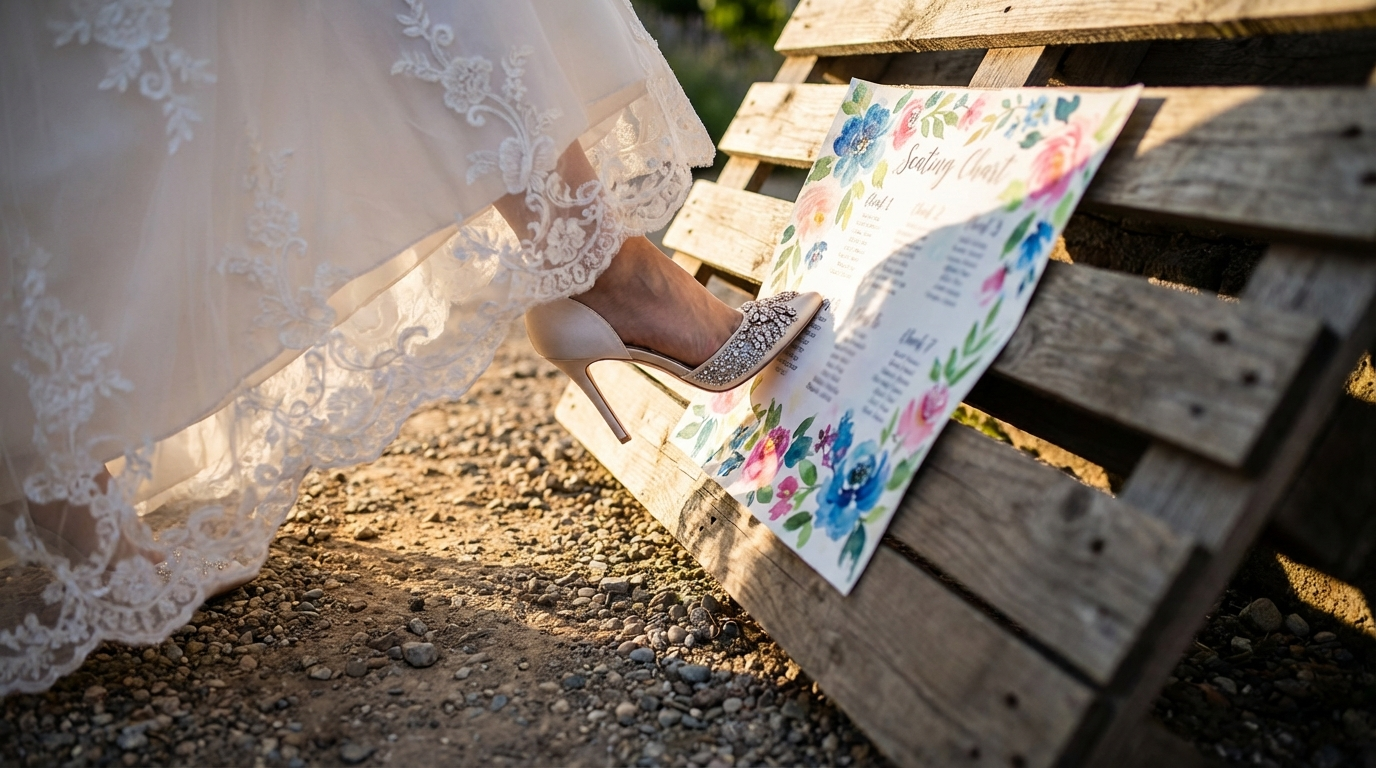
- Create a clear and easy-to-read seating chart display: Place it in a prominent location where guests can easily find it upon arrival. Consider using a large sign or a series of smaller cards.
- Provide escort cards: These cards list each guest's name and table number, making it easy for them to find their assigned seat.
- Inform your venue staff: Share the final seating chart with your venue staff so they can assist guests in finding their tables.
By communicating the seating chart effectively, you'll ensure a smooth and stress-free arrival for your guests.
Example Seating Arrangements
Let's look at some example scenarios to help you visualize effective seating arrangements. Consider the pros and cons of each approach based on your specific guest list and wedding style.
Family-Focused Arrangement
- Pros: Keeps immediate family close, fosters familial bonds, ensures key relatives are near the wedding party.
- Cons: May isolate friends, can create pressure for families with complex dynamics, might not feel inclusive for everyone.
Mix-and-Mingle Arrangement
- Pros: Encourages interactions between different groups, creates a lively atmosphere, helps guests meet new people.
- Cons: Can be awkward for introverted guests, may not cater to close-knit groups, requires careful consideration of personality matches.
Ultimately, the best seating arrangement depends on your unique circumstances and priorities. Use your wedding seating chart maker to experiment with different options and find the perfect fit for your special day.
Tips for a Smooth Seating Chart Creation Process
Creating a wedding seating chart doesn’t have to be a stressful experience. With a little planning and organization, you can make the process smooth and even enjoyable. Here are some additional tips to help you along the way:
- Gather information early: Send out your RSVPs well in advance and follow up with guests who haven't responded. The sooner you have an accurate guest list, the easier it will be to start working on your seating chart.
- Consider your guests' personalities and relationships: Think about how your guests interact with one another and try to create a seating arrangement that encourages positive interactions.
- Be flexible: Don't be afraid to make changes to your seating chart as needed. As you learn more about your guests' preferences and needs, you may need to adjust your plans accordingly.
- Ask for help: Don't hesitate to ask your partner, wedding planner, or trusted friends for their input. They may have valuable insights that you haven't considered.
- Don't overthink it: Remember, the goal is to create a comfortable and enjoyable experience for your guests. Don't get too caught up in the details.
By following these tips, you can create a seating plan that sets the stage for a memorable and joyful celebration.
Expert Advice: Making the Most of Your Seating Chart
Beyond the practical considerations, a well-planned seating chart can be a powerful tool for creating a positive and memorable experience for your guests. Here's some expert advice on how to make the most of your seating chart:
Create a Welcoming Atmosphere: Think about the overall tone you want to set for your reception. Do you want it to be lively and energetic, or more intimate and relaxed? Your seating chart can help you achieve this by strategically placing guests with similar personalities and interests together.
Encourage Conversation: Seating guests with shared hobbies or backgrounds can spark interesting conversations and help them connect with one another. Consider placing conversation starters on each table to break the ice and encourage interaction.
Show Your Appreciation: Use your seating chart as an opportunity to show your guests how much you appreciate them. Place thank-you notes at each place setting, or include a small gift or favor.
By following these tips, you can create a seating chart that not only directs guests to their tables but also enhances their overall experience and creates a lasting impression.
Common Mistakes to Avoid
Creating a wedding seating chart can be tricky, and it's easy to make mistakes along the way. Here are some common pitfalls to avoid:
- Seating single guests at tables full of couples: This can make them feel awkward and out of place. Try to seat single guests with other single guests or with couples who are known to be friendly and outgoing.
- Forgetting to account for plus-ones: Make sure to confirm whether your guests are bringing a plus-one and include them in your seating chart.
- Ignoring family dynamics: Be mindful of any family feuds or tensions and try to seat people in a way that minimizes conflict.
- Placing guests near loud speakers or other distractions: This can make it difficult for them to hear and participate in conversations.
By avoiding these common mistakes, you can create a seating chart that is both functional and considerate.
Frequently Asked Questions
Ideally, you should start working on your wedding seating chart 4-6 weeks before your wedding day. This gives you enough time to gather RSVPs, consider guest dynamics, and make any necessary adjustments. Aim to finalize it about 1-2 weeks before the big day to allow for any last-minute changes.
Get Event Planning Tips
Weekly tips on seating arrangements, event layouts, and planning strategies.
SeatingChart Team
Our team of event planning experts is dedicated to helping you create unforgettable events with perfect seating arrangements.
Ready to Create Your Seating Chart?
Start planning your perfect event layout with our free drag-and-drop seating chart creator. No sign-up required to try it out!
Try Free Seating Chart Creator