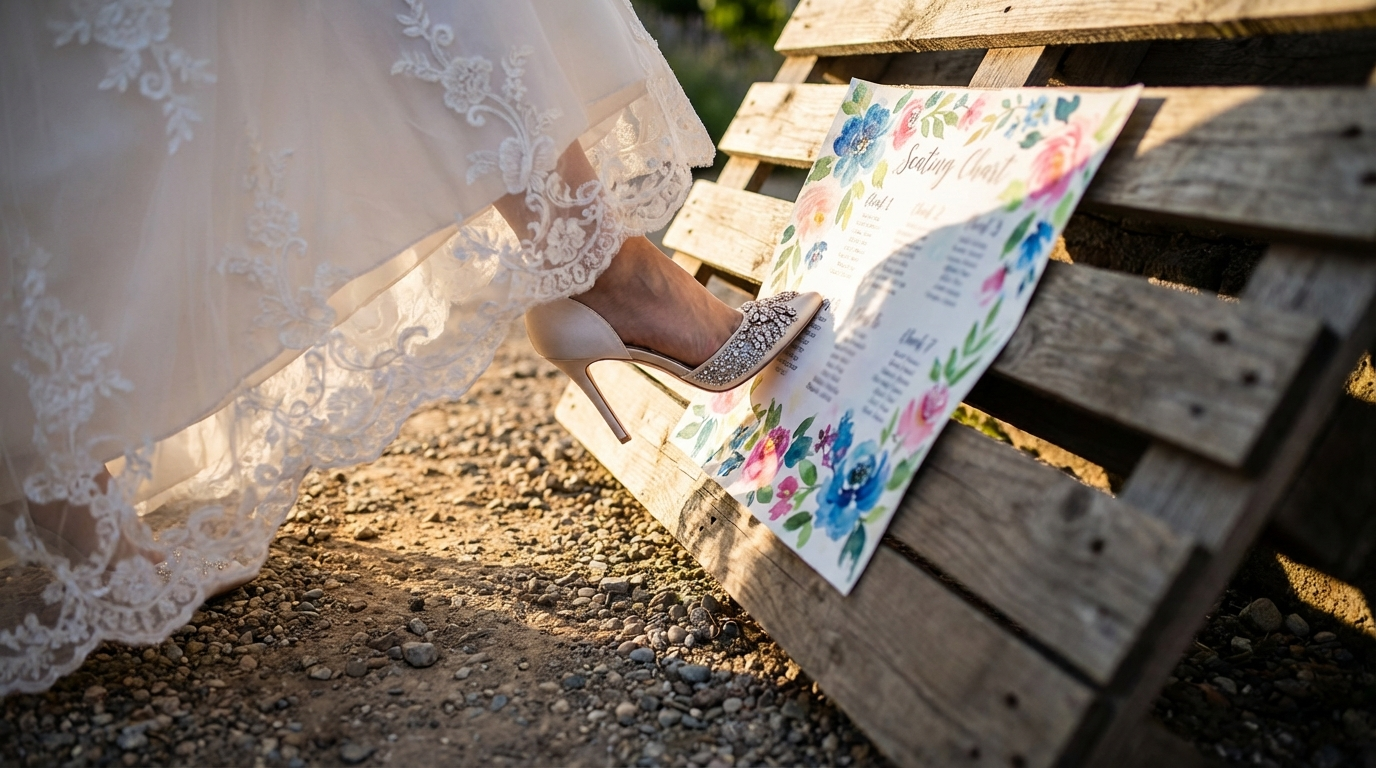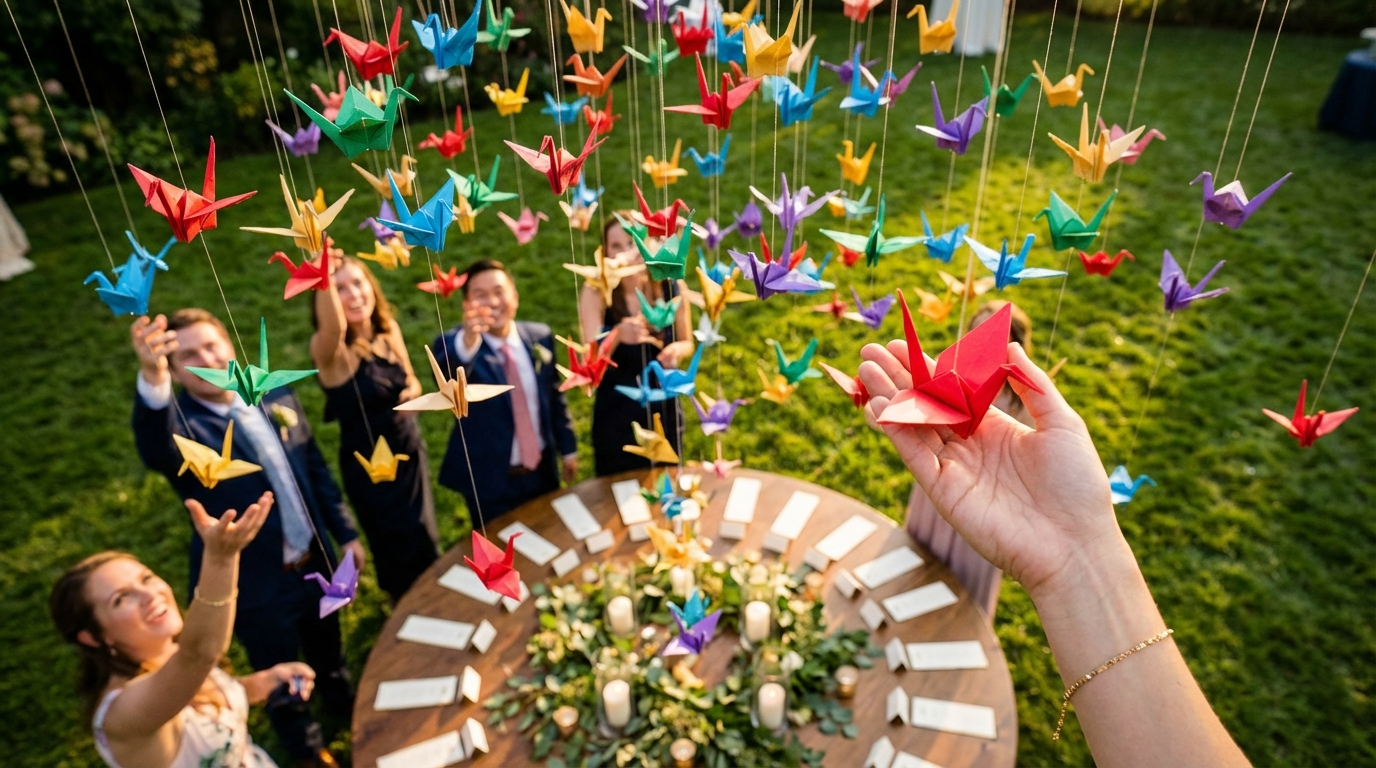
Planning a wedding in 2026? Congratulations! Amidst the joy and excitement, one task often looms large: creating the perfect wedding seating chart program. This isn't just about assigning seats; it's about crafting an atmosphere where your guests feel comfortable, connected, and ready to celebrate your special day. A well-thought-out seating plan can transform your reception from a simple gathering into a memorable experience. But where do you even start? And how can you ensure your seating arrangements contribute to the overall success of your wedding? Let's dive into everything you need to know to master the art of the wedding seating chart.
Key Takeaways
- Start your seating chart early to avoid last-minute stress.
- Consider guest relationships and personalities when making assignments.
- Utilize a wedding seating chart program like SeatingChartCreator.com for easy planning.
- Balance family dynamics and friend groups strategically.
- Communicate your seating arrangements clearly to your guests and venue.
Why is a Wedding Seating Chart Program So Important?
You might be wondering, "Is a wedding seating chart program really necessary?" The answer is a resounding yes! Think of your reception as a carefully orchestrated event. Without a seating plan, you risk chaos and awkwardness. Guests may struggle to find a place to sit, leading to fragmented groups and missed connections. A seating chart eliminates this uncertainty, ensuring everyone has a designated spot and feels welcome.
Design Your Perfect Seating Chart
Free drag-and-drop seating chart creator for weddings, events, and venues. Export professional PDFs in minutes.
Create Free Seating ChartBeyond logistics, a seating chart is a powerful tool for shaping the social dynamics of your wedding. By thoughtfully pairing guests, you can encourage conversation, foster new friendships, and prevent potential conflicts. Do you have relatives who haven't seen each other in years? Seat them together to rekindle old bonds. Are there friends from different phases of your life you want to introduce? Strategically placing them at the same table can spark interesting conversations.
Furthermore, a well-organized seating chart program streamlines the catering process. Your venue and catering team will appreciate knowing exactly where each guest is sitting, making meal service smoother and more efficient. This attention to detail contributes to a polished and professional event, leaving a lasting positive impression on your guests.
Key Factors to Consider When Planning Your Seating Arrangement
Creating a wedding seating chart program isn't just about filling seats; it's about thoughtfully considering various factors to create the best possible experience for your guests. Here are some key aspects to keep in mind:
- Guest Relationships: This is paramount. Consider who knows each other, who gets along well, and who might have potential conflicts. Seat close friends and family members together to encourage natural conversation and camaraderie.
- Age Groups: While not a strict rule, grouping guests of similar ages can often facilitate easier conversation. People in the same life stage may share common interests and experiences.
- Family Dynamics: Navigate family dynamics with care. Be mindful of any sensitivities or potential conflicts between family members. If necessary, strategically separate individuals who might not get along.
- Personalities: Consider the personalities of your guests. Pair outgoing individuals with those who might be a bit more reserved to encourage interaction.
- Special Needs: Ensure guests with mobility issues or other special needs are seated in accessible locations, close to restrooms or other necessary amenities.
Remember, the goal is to create a comfortable and enjoyable atmosphere for everyone. By carefully considering these factors, you can create a wedding seating chart program that fosters connection and celebration.
How to Use a Wedding Seating Chart Program: Step-by-Step Guide
Ready to create your wedding seating chart program? Fortunately, it's easier than ever with user-friendly online tools like SeatingChartCreator.com. Here's a step-by-step guide to get you started:
Gather Your Guest List
Compile a complete list of your wedding guests, including their names and any relevant information such as dietary restrictions or seating preferences. This is your foundation for the entire process.
Choose Your Seating Chart Program
Select a user-friendly wedding seating chart program. SeatingChartCreator.com offers a free, intuitive platform with drag-and-drop functionality, making the process simple and efficient. Create Your Seating Chart
Input Your Venue Layout
Recreate your venue's floor plan within the program. This usually involves selecting table shapes (round, rectangular, etc.) and arranging them according to your venue's specifications. Most programs, including SeatingChartCreator.com, allow you to customize table sizes and spacing.
Add Your Guests
Import or manually enter your guest list into the program. Assign each guest to a specific table by simply dragging and dropping their name onto the desired table. SeatingChartCreator.com makes this process incredibly easy.
Fine-Tune and Adjust
Review your seating arrangement and make any necessary adjustments. Consider guest relationships, age groups, and other factors to optimize your seating plan. Don't be afraid to experiment with different arrangements until you find the perfect fit.
Finalize and Share
Once you're satisfied with your seating chart, finalize it and share it with your venue and catering team. You can typically export the chart in various formats (PDF, CSV, etc.) for easy sharing.
Leveraging SeatingChartCreator.com for Your Wedding
SeatingChartCreator.com is designed to simplify the often-daunting task of creating a wedding seating chart program. Its intuitive interface and drag-and-drop functionality make it accessible to users of all technical skill levels. Here’s how you can maximize its features:
- Free and Accessible: The platform is completely free to use, eliminating budget concerns.
- Drag-and-Drop Interface: Easily assign guests to tables with a simple drag-and-drop action.
- Customizable Table Layouts: Recreate your venue's floor plan accurately by customizing table shapes, sizes, and spacing.
- Guest List Management: Import your guest list or add guests manually, keeping all information organized in one place.
- Collaboration: Share your seating chart with your partner, wedding planner, or venue for seamless collaboration.
- Printable Reports: Generate printable reports for your venue and catering team, ensuring everyone is on the same page.
By utilizing SeatingChartCreator.com, you can save time, reduce stress, and create a wedding seating chart program that perfectly complements your special day.
Strategies for Balancing Family Dynamics in Your Seating Chart
Navigating family dynamics is often one of the trickiest aspects of creating a wedding seating chart program. Here are some strategies to help you balance potentially sensitive situations:
- Identify Potential Conflicts: Before you start, identify any potential conflicts or sensitivities within your family. This might involve divorced parents, feuding siblings, or other strained relationships.
- Strategic Placement: If possible, strategically separate individuals who might not get along. Distance can often diffuse tension and prevent awkward interactions.
- Neutral Ground: Seat individuals with potential conflicts near neutral parties, such as close friends or other family members who can help create a positive atmosphere.
- Honoring Traditions: Consider any family traditions or customs related to seating arrangements. While you don't have to adhere to every tradition, being mindful of them can show respect and prevent hurt feelings.
- Communication is Key: If you're concerned about a particular situation, consider having a conversation with the individuals involved. Explain your seating choices and reassure them that your goal is to create a positive and enjoyable experience for everyone.
Remember, your wedding is a celebration of love and unity. By approaching family dynamics with sensitivity and careful planning, you can create a wedding seating chart program that minimizes stress and maximizes enjoyment for all.
Wedding Seating Chart Program: Examples and Templates
Need some inspiration for your wedding seating chart program? Here are a couple of examples to get you started:
Example 1: Round Tables
- Table 1: Bride's Parents, Grandparents, Aunt, Uncle
- Table 2: Groom's Parents, Grandparents, Aunt, Uncle
- Table 3: Bridal Party (Maid of Honor, Bridesmaids)
- Table 4: Groomsmen, Best Man
- Table 5: Close Friends (College Friends)
Example 2: Rectangular Tables
- Table 1 (Head Table): Bride, Groom, Wedding Party
- Table 2: Bride's Immediate Family
- Table 3: Groom's Immediate Family
- Table 4: Extended Family (Cousins, Aunts, Uncles)
- Table 5: Friends and Colleagues
Remember, these are just examples. The best wedding seating chart program is one that is tailored to your specific guest list, venue layout, and personal preferences. Don't be afraid to experiment and find what works best for you.
You can also find Free Templates online to help you visualize different seating arrangements and get a head start on your planning.
Common Mistakes to Avoid When Creating Your Wedding Seating Chart
While a wedding seating chart program is essential, there are some common mistakes to avoid to ensure a smooth and enjoyable experience for everyone:
- Ignoring Guest Relationships: As mentioned earlier, guest relationships are crucial. Don't seat individuals together who have a history of conflict or who simply don't get along.
- Forgetting Special Needs: Be mindful of guests with mobility issues or other special needs. Ensure they are seated in accessible locations with easy access to restrooms and other amenities.
- Overcrowding Tables: Provide ample space for your guests to sit comfortably. Overcrowding tables can make it difficult to eat, converse, and move around. A good rule of thumb is to allow at least 24 inches of space per person.
- Not Communicating with Your Venue: Share your seating chart with your venue and catering team well in advance of your wedding. This allows them to plan accordingly and ensure a smooth and efficient meal service.
Expert Tips for a Stress-Free Wedding Seating Chart Program
Creating a wedding seating chart program doesn't have to be stressful. Here are some expert tips to help you navigate the process with ease:
- Start Early: Begin planning your seating chart as soon as you have a confirmed guest list. This gives you plenty of time to gather information, consider different arrangements, and make adjustments as needed.
- Gather Information: Collect information about your guests' relationships, personalities, and any special needs. This will help you make informed seating decisions.
- Visualize Your Venue: Use a seating chart program like SeatingChartCreator.com to visualize your venue layout and experiment with different table arrangements.
- Be Flexible: Be prepared to make adjustments to your seating chart as needed. Guest lists can change, and unforeseen circumstances can arise.
- Delegate Tasks: Don't be afraid to delegate tasks to your partner, wedding planner, or trusted family members. This can help lighten your load and ensure that everything gets done on time.
Frequently Asked Questions
It's best to start planning your wedding seating chart program as soon as you have a relatively firm guest list, ideally around 2-3 months before your wedding. This gives you ample time to gather information about your guests, consider different seating arrangements, and make adjustments as needed. Starting early also reduces stress and prevents last-minute scrambling.
Get Event Planning Tips
Weekly tips on seating arrangements, event layouts, and planning strategies.
SeatingChart Team
Our team of event planning experts is dedicated to helping you create unforgettable events with perfect seating arrangements.
Ready to Create Your Seating Chart?
Start planning your perfect event layout with our free drag-and-drop seating chart creator. No sign-up required to try it out!
Try Free Seating Chart Creator