7 Wedding Table Assignment Board Disasters That Will Haunt You (Avoid #3)
Your wedding day should be filled with joy, not seating chart stress. The wedding table assignment board is often the last logistical hurdle before the celebration truly begins. But what happens when this seemingly simple task goes wrong? From alphabet soup confusion to bridezilla-level drama, a poorly planned seating plan can lead to chaos. Let's face it: no one wants their carefully curated guest list to devolve into a free-for-all. This article will guide you through common table arrangement disasters and, more importantly, how to avoid them. Get ready to create a seamless and stress-free seating experience for your big day!
Key Takeaways
- Clearly communicate table assignments to avoid guest confusion.
- Consider guest dynamics and relationships when creating your seating chart.
- Use a reliable seating chart tool to streamline the planning process.
- Proofread your table assignment board meticulously for errors.
- Have a backup plan in case of last-minute cancellations or changes.
The Alphabetical Anarchy: Why Relying Solely on Last Names Fails
Imagine this: your beautifully designed wedding table assignment board simply lists guests alphabetically by last name. Sounds straightforward, right? Wrong. This approach, while seemingly organized, can quickly descend into alphabetical anarchy. Why? Because it completely disregards relationships and guest dynamics. Grouping individuals together solely based on their surnames is a recipe for awkward silences and forced conversations. You're essentially throwing random people together and hoping for the best.
Think about it. Mrs. Johnson, who only knows the bride, is suddenly seated with the entire Smith family, who are close friends of the groom. Or, even worse, two exes with the same last name end up at the same table! The goal of your table arrangement should be to foster enjoyable interactions and create a welcoming atmosphere for everyone. Alphabetical order achieves the opposite. It prioritizes administrative ease over guest comfort. A thoughtful seating plan considers how people interact and ensures that guests are surrounded by others with whom they'll have something in common.
Instead of relying on this impersonal method, take the time to understand your guests and their relationships. Consider their interests, personalities, and how they might connect with others at their table. This extra effort will make all the difference in creating a memorable and enjoyable experience for everyone.
The "Singles Table" Disaster: A Recipe for Unwanted Attention
Ah, the dreaded "singles table." While the intention might be to spark romance, in reality, it often leads to discomfort and unwanted attention. No one wants to feel singled out (pun intended!) or like they're being put on display. The assumption that all single guests are actively seeking a partner is not only presumptuous but also potentially offensive. Many single individuals are perfectly happy and content, and they simply want to enjoy the wedding with friends and family.
Furthermore, the "singles table" can create an awkward dynamic. Guests might feel pressured to interact or even pair up, leading to forced conversations and uncomfortable situations. Instead of playing matchmaker, focus on creating a cohesive and welcoming atmosphere for all your guests, regardless of their relationship status. Integrate single guests into tables with people they already know or with whom they share common interests. This approach is far more likely to result in genuine connections and enjoyable conversations.
Remember, your wedding is about celebrating your love, not engineering new relationships. By prioritizing guest comfort and creating a natural, inclusive seating plan, you'll ensure that everyone feels welcome and valued.
How to Avoid the "No-Show Nightmare" with a Digital Seating Chart
Imagine meticulously crafting your wedding table assignment board, only to have several guests cancel at the last minute. Suddenly, your carefully balanced tables are thrown into disarray, leaving awkward gaps and uneven groups. This "no-show nightmare" is a common wedding planning woe, but it's one that can be easily mitigated with a little foresight and the right tools.
The key is to ditch the static, physical seating plan and embrace a dynamic, digital solution. Tools like SeatingChartCreator.com allow you to easily adjust and rearrange your table arrangement in real-time. No more frantically scribbling out names or reprinting entire boards. With a drag-and-drop interface, you can quickly fill empty seats, rebalance tables, and ensure that everyone has a comfortable and enjoyable experience.
Design Your Perfect Seating Chart
Free drag-and-drop seating chart creator for weddings, events, and venues. Export professional PDFs in minutes.
Create Free Seating ChartImport Your Guest List
Upload your guest list directly into SeatingChartCreator.com. This eliminates manual entry and ensures accuracy.
Digitize Your Venue Layout
Recreate your venue's floor plan within the tool. Add tables, chairs, and other key elements.
Drag and Drop Guests
Assign guests to tables using the intuitive drag-and-drop interface. Easily move people around as needed.
Update in Real-Time
Make adjustments on the fly as cancellations or additions occur. The digital format allows for seamless updates.
Print or Share Digitally
Once finalized, print your wedding table assignment board or share it digitally with your venue and wedding planner.
By using a digital seating plan, you'll be prepared to handle any last-minute changes with grace and ease. No more stressing over empty seats or scrambling to rearrange tables. You'll have the flexibility and control to create a perfect table arrangement, even in the face of unexpected challenges.
The "Oops, I Forgot Aunt Mildred!" Fiasco: Preventing Last-Minute Additions
We've all been there: the week before the wedding, a distant relative suddenly remembers they RSVP'd "yes" and are now expecting a seat at the table. Or perhaps a plus-one request comes in at the eleventh hour. These last-minute additions can throw your carefully planned wedding table assignment board into complete disarray. But fear not! With proactive planning and clear communication, you can minimize the risk of an "Oops, I forgot Aunt Mildred!" fiasco.
Before You Finalize Your Seating Chart
- Send out a final RSVP reminder with a firm deadline.
- Contact anyone who hasn't responded to confirm their attendance.
- Have a buffer built into your guest count to accommodate potential additions.
- Communicate clearly with your family about plus-one expectations.
The most crucial step is to set a firm RSVP deadline and stick to it. This gives you a clear understanding of your final guest count and allows you to create an accurate seating plan. Follow up with anyone who hasn't responded to confirm their attendance. It's also wise to build a small buffer into your guest count to accommodate potential last-minute additions. This could involve setting aside a few extra seats at each table or having a separate "overflow" table that can be easily added if needed.
Finally, communicate clearly with your family about plus-one expectations. Make sure everyone understands your policy and that no unauthorized guests are added to the list without your approval. By taking these proactive steps, you can minimize the risk of unexpected additions and ensure that your wedding table assignment board remains accurate and stress-free.
The "Personality Clash Catastrophe": Matching Guests for Maximum Enjoyment
Creating a successful wedding table assignment board isn't just about filling seats; it's about creating an enjoyable and harmonious atmosphere for your guests. A common mistake is to overlook personality clashes and seating guests together who are likely to clash or have nothing in common. This can lead to awkward conversations, uncomfortable silences, and an overall negative experience. To avoid a "personality clash catastrophe," take the time to consider your guests' personalities, interests, and relationships when creating your seating plan.
Think about which guests are outgoing and which are more reserved. Pair talkative guests with those who enjoy listening. Seat guests with similar interests together to spark conversation. And, most importantly, be mindful of any known conflicts or tensions between individuals. Avoid seating feuding family members or former romantic partners at the same table. While you can't guarantee that everyone will become best friends, you can take steps to minimize the potential for conflict and maximize the chances of enjoyable interactions.
Consider using a questionnaire or survey to gather information about your guests' interests and preferences. This can provide valuable insights that will help you create a more thoughtful and personalized table arrangement. Remember, the goal is to create a welcoming and inclusive environment where everyone feels comfortable and can enjoy themselves.
The "Lost in Translation" Table Names: Choosing Themes That Resonate
Table names or numbers are a standard part of any wedding table assignment board. But what happens when your chosen theme is confusing, obscure, or simply doesn't resonate with your guests? You end up with a "lost in translation" situation where people struggle to find their assigned table, leading to frustration and delays. To avoid this, choose table names or numbers that are clear, concise, and easy to understand. Consider your guests' background and interests when selecting a theme. Avoid inside jokes or overly complicated concepts that might leave some people feeling excluded.
If you're using table names, opt for themes that are universally appealing and easily recognizable. Examples include flowers, cities, or hobbies. If you're using numbers, make sure they are displayed prominently and in a clear, legible font. Consider using a visual aid, such as a map or diagram, to help guests locate their tables more easily. The goal is to make the process as seamless and stress-free as possible.
Think about the overall aesthetic of your wedding and choose table names or numbers that complement your chosen theme. A rustic wedding might feature table names inspired by nature, while a modern wedding might opt for sleek and minimalist numbers. Whatever you choose, make sure it's consistent with your overall vision and that it enhances the guest experience.
The "Seating Chart Scramble": Last-Minute Changes and How to Manage Them
Despite your best efforts, last-minute changes are almost inevitable when planning a wedding. Guests cancel, plus-ones are added, and unforeseen circumstances arise. This can lead to a "seating chart scramble" as you frantically try to rearrange your wedding table assignment board to accommodate the changes. The key to managing these last-minute shifts is to stay calm, be flexible, and have a backup plan in place.
As mentioned earlier, using a digital seating plan tool like SeatingChartCreator.com is invaluable in these situations. The drag-and-drop interface allows you to quickly and easily move guests around as needed. Keep a printed copy of your seating plan on hand as well, so you can make notes and adjustments as changes occur. Communicate clearly with your venue and wedding planner about any last-minute changes. They can help you ensure that the tables are set up correctly and that guests are directed to the right seats.
Don't be afraid to ask for help from your bridal party or family members. Delegate tasks such as contacting guests to confirm their attendance or updating the seating plan. Remember, it's okay to make adjustments on the fly. The most important thing is to remain flexible and focus on creating a positive and enjoyable experience for your guests.
Common Mistakes to Avoid When Designing Your Wedding Table Assignment Board
Creating a wedding table assignment board can be stressful. Let's look at some common mistakes people make.
- Not Proofreading: Double-check for spelling errors.
- Ignoring Dietary Needs: Communicate special requirements.
- Forgetting the Elderly: Easy access and comfort are key.
Proofreading is incredibly important! Spelling errors or incorrect names can cause confusion and embarrassment. Before finalizing your seating plan, have several people review it to catch any mistakes. Don't forget about dietary needs. Ensure that you communicate any special requirements to your venue or caterer. Consider the needs of elderly guests. Place them closer to the restrooms and away from loud music. Make sure they have easy access to their seats and that they are comfortable throughout the evening.
Expert Tips for a Seamless Wedding Seating Experience
Beyond avoiding disasters, there are steps to take for a truly seamless seating experience.
- Consider Flow: Placement matters.
- Visual Appeal: Elegant presentation makes an impact.
- Clear Signage: Guiding guests smoothly avoids chaos.
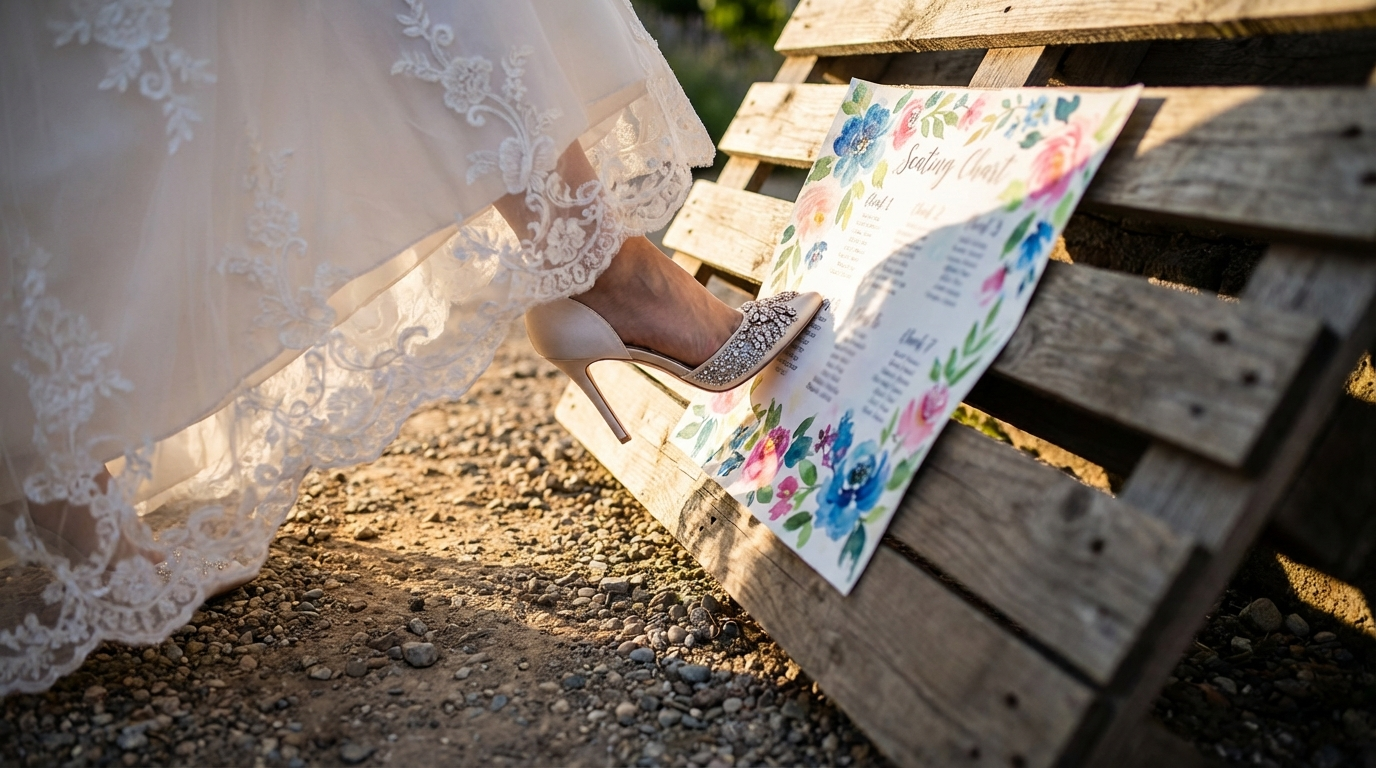
Think about the flow of your venue. Place your wedding table assignment board in a location that is easily accessible and visible to all guests. Make sure there is enough space for people to gather around without creating a bottleneck. The visual appeal of your table arrangement matters. Choose a design that is consistent with your wedding theme and that is visually appealing. Use high-quality materials and pay attention to the details. Clear signage is essential for guiding guests to their tables. Use large, legible fonts and make sure the signs are placed in a location that is easily visible.
Two Wedding Seating Chart Examples: Formal vs. Casual
Let's look at two examples of wedding table assignment boards. One is formal, the other is casual.
Formal Wedding
- Elegant calligraphy
- Classic font
- Structured layout
- Table numbers
- Traditional names
Casual Wedding
- Fun font
- Creative layout
- Unique table names
- Personalized details
- Relaxed theme
A formal wedding table assignment board focuses on elegance and tradition. Calligraphy, classic fonts, and structured layouts are common. Table numbers are often used for clarity. A casual wedding table assignment board embraces creativity and personalization. Fun fonts, unique layouts, and themed table names are popular choices. The goal is to create a relaxed and welcoming atmosphere.
Frequently Asked Questions
Ideally, you should start working on your wedding table assignment board about 4-6 weeks before your wedding. This gives you enough time to gather RSVPs, consider guest dynamics, and make any necessary adjustments. Waiting until the last minute can lead to stress and mistakes.
Get Event Planning Tips
Weekly tips on seating arrangements, event layouts, and planning strategies.
SeatingChart Team
Our team of event planning experts is dedicated to helping you create unforgettable events with perfect seating arrangements.
Ready to Create Your Seating Chart?
Start planning your perfect event layout with our free drag-and-drop seating chart creator. No sign-up required to try it out!
Try Free Seating Chart Creator