Why Your awards ceremony seating Is Failing (And How to Fix It)
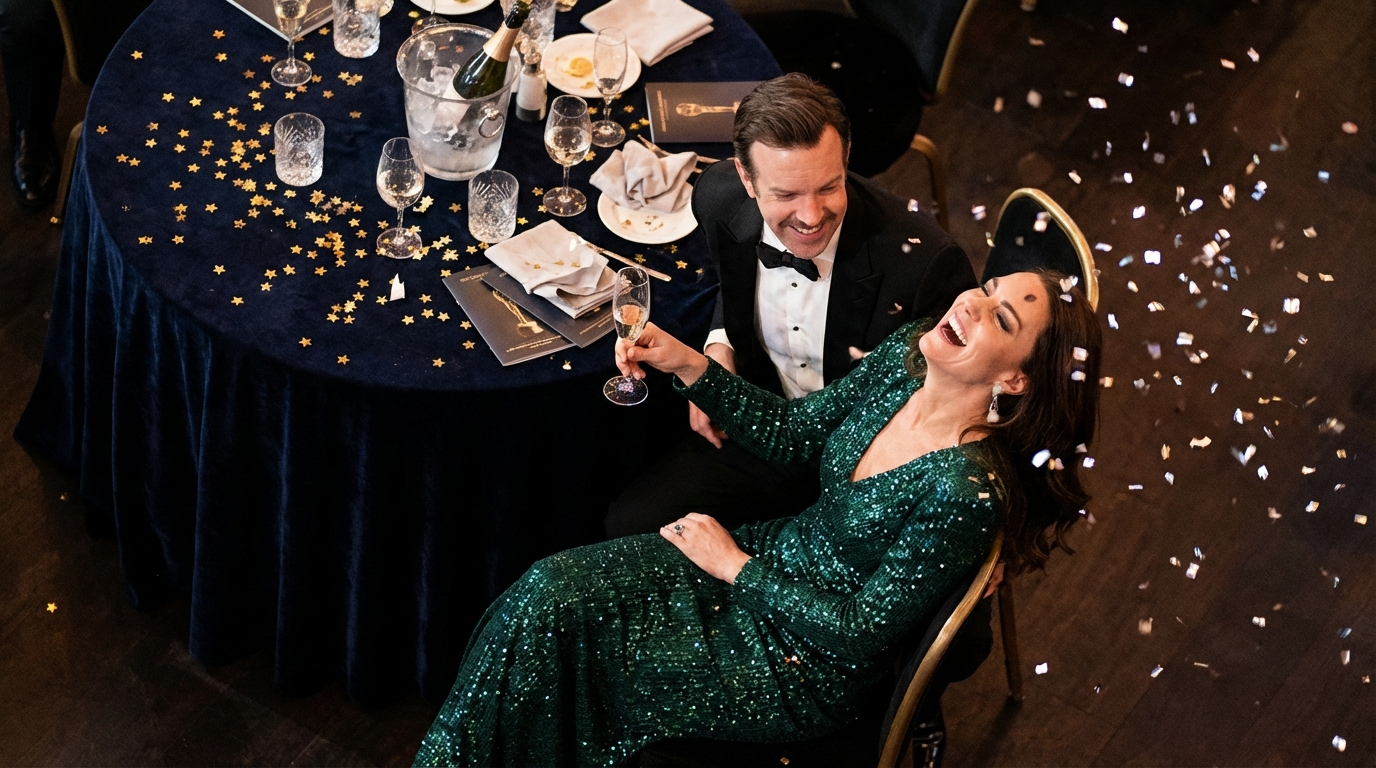
Planning an awards ceremony is a monumental task. You've got the venue, the presenters, the award recipients, and the entertainment all lined up. But there’s one crucial element that often gets overlooked until the last minute: awards ceremony seating. A poorly planned seating arrangement can lead to disgruntled guests, awkward interactions, and an overall negative impact on your event. Don't let bad seating be the thing people remember! Let's make your seating shine as bright as your awards!
Key Takeaways
- Strategic awards ceremony seating can significantly enhance guest experience and networking opportunities.
- Understanding guest relationships and preferences is key to creating a harmonious and engaging atmosphere.
- Using a seating chart creator, such as SeatingChartCreator.com, simplifies the planning process and minimizes errors.
- Clear communication with guests about seating arrangements is crucial for a smooth and stress-free event.
- Flexibility and a contingency plan for last-minute changes are essential for successful awards ceremony seating.
Why Does Awards Ceremony Seating Matter?
You might be thinking, "It's just seating, right? People will find a spot." But think again. Awards ceremony seating is more than just filling chairs; it's about creating an atmosphere, fostering connections, and showing your guests that you value their presence. It's about strategically placing people to maximize their enjoyment and engagement throughout the event. A well-thought-out seating plan can be the difference between a successful and a lackluster awards ceremony.
Design Your Perfect Seating Chart
Free drag-and-drop seating chart creator for weddings, events, and venues. Export professional PDFs in minutes.
Create Free Seating ChartConsider the impact of seating on networking. An awards ceremony often brings together industry leaders, potential partners, and valued employees. Strategic seating can facilitate valuable connections that might not otherwise occur. If you seat people with shared interests or complementary skills together, you're essentially creating a fertile ground for collaboration and innovation. This can lead to new business opportunities, strengthened relationships, and a more vibrant professional community.
Moreover, seating can influence the overall mood of the event. Imagine placing key stakeholders near the stage to ensure they feel valued and engaged. Or grouping teams together to celebrate their collective achievements. These small considerations can have a significant impact on morale and create a sense of unity and appreciation. Conversely, a haphazard seating arrangement can lead to feelings of isolation, resentment, and disengagement. Don't underestimate the power of thoughtful seating to transform your awards ceremony from a mere event into a memorable and meaningful experience.
Understanding Your Guests: The Key to Successful Seating
The foundation of any successful awards ceremony seating plan is a thorough understanding of your guests. This goes beyond simply knowing their names and titles. It involves gathering information about their relationships, interests, and preferences. The more you know about your guests, the better equipped you'll be to create a seating arrangement that fosters positive interactions and enhances their overall experience.
Start by gathering data. Send out a pre-event questionnaire asking guests about their dietary restrictions, accessibility needs, and any individuals they would particularly like to sit near (or avoid). This information will be invaluable when you start building your seating chart.
Consider the dynamics within your organization. Are there teams that work closely together? Are there individuals who have a history of conflict? Use this knowledge to strategically place guests in a way that promotes collaboration and minimizes potential friction. Think about who would benefit from meeting whom. An awards ceremony can be a great opportunity to introduce people who might not otherwise cross paths.
Don't forget to factor in personal preferences. Some guests may prefer to be near the stage, while others might prefer a quieter spot in the back. Try to accommodate these preferences whenever possible. By taking the time to understand your guests, you can create a seating arrangement that is both strategic and considerate, ensuring that everyone feels comfortable and valued.
How to Plan Your Awards Ceremony Seating: A Step-by-Step Guide
Planning your awards ceremony seating can seem daunting, but breaking it down into manageable steps makes the process much easier. Here's a comprehensive guide to help you create a seating arrangement that is both effective and stress-free:
Confirm Your Guest List and Venue Layout
Before you start thinking about seating, you need a final guest count and a detailed floor plan of your venue. This will determine the number of tables you need and the overall layout of your seating arrangement. Contact your venue to request a floor plan with dimensions.
Identify VIPs and Special Needs
Make a list of your VIP guests, including award recipients, sponsors, and key stakeholders. Also, identify any guests with special needs, such as wheelchair accessibility or dietary restrictions. These individuals will need to be prioritized when assigning seats.
Choose Your Table Arrangement
Decide on the type of tables you want to use. Round tables are great for fostering conversation, while rectangular tables are often more space-efficient. Consider the overall aesthetic of your event and choose tables that complement your theme.
Create a Preliminary Seating Chart
Using a seating chart creator like SeatingChartCreator.com, start creating a preliminary seating chart. Begin by placing your VIPs and guests with special needs. Then, start grouping other guests based on their relationships, interests, and preferences.
Review and Revise
Once you have a preliminary seating chart, review it carefully. Get feedback from colleagues or other event organizers. Make any necessary revisions based on their input. Don't be afraid to make changes until you're completely satisfied with the arrangement.
Communicate with Guests
Once your seating chart is finalized, communicate the seating arrangements to your guests. This can be done through email, a seating chart display at the event, or individual place cards. Make sure the information is clear and easy to understand.
Prepare for Last-Minute Changes
Even with the best planning, last-minute changes are inevitable. Be prepared to make adjustments to your seating chart as needed. Have a contingency plan in place in case of cancellations or unexpected guests.
Leveraging Seating Chart Software for Efficiency
In today's digital age, there's no need to rely on manual methods for planning your awards ceremony seating. Seating chart software, like SeatingChartCreator.com, offers a range of features that can streamline the process and save you valuable time and effort. These tools allow you to visualize your seating arrangement, easily move guests around, and collaborate with other event organizers in real-time.
One of the biggest advantages of using seating chart software is its ability to handle large guest lists. Manually creating a seating chart for hundreds of guests can be a logistical nightmare. Seating chart software allows you to import your guest list directly from a spreadsheet, automatically assigning guests to tables based on pre-defined criteria.
Another key benefit is the ability to visualize your seating arrangement. Seating chart software provides a visual representation of your venue layout, allowing you to see exactly how your seating arrangement will look. This makes it easier to identify potential problems, such as overcrowding or obstructed views. You can easily drag and drop guests between tables, experiment with different arrangements, and get a clear sense of the overall flow of your event.
Furthermore, seating chart software facilitates collaboration. You can share your seating chart with other event organizers, allowing them to provide feedback and make suggestions. This can be particularly helpful when dealing with complex events that require input from multiple stakeholders. By using seating chart software, you can ensure that everyone is on the same page and that your seating arrangement is optimized for success.
Table Shapes and Sizes: How to Choose the Right Ones
The shape and size of your tables play a significant role in the overall atmosphere and functionality of your awards ceremony seating. Different table shapes lend themselves to different types of interactions and spatial arrangements. Choosing the right tables can enhance the guest experience and contribute to the success of your event.
Round Tables
- Promote conversation and interaction among guests at the table.
- Create a softer, more elegant aesthetic.
- Ideal for fostering a sense of community and shared experience.
- Typically seat 8-10 guests comfortably.
Rectangular Tables
- More space-efficient, allowing you to accommodate more guests in a smaller area.
- Create a more formal, structured look.
- Well-suited for events with a head table or a stage.
- Can be easily configured to create different layouts.
Round tables are generally considered to be more conducive to conversation. Because everyone is facing each other, it's easier for guests to engage in group discussions and build connections. Round tables also create a more intimate and inclusive atmosphere. However, they can take up more space than rectangular tables. Rectangular tables, on the other hand, are more space-efficient. They allow you to seat more guests in a smaller area, making them a good choice for venues with limited space. Rectangular tables also create a more formal and structured look, which may be appropriate for certain types of awards ceremonies.
When choosing table sizes, consider the amount of space you have available and the number of guests you need to accommodate. A good rule of thumb is to allow at least 30 inches of space per guest at a round table and 24 inches per guest at a rectangular table. Also, make sure there is enough space between tables for guests to move around comfortably.
The Art of Mixing and Matching Guests
One of the most challenging aspects of planning awards ceremony seating is deciding who should sit with whom. The key is to create a balance between familiarity and novelty, ensuring that guests feel comfortable while also providing opportunities for them to meet new people and expand their networks. Strategic mixing and matching can lead to unexpected connections and enrich the overall event experience.
Start by identifying guests who already know each other and have a positive relationship. Seating these individuals together can create a sense of comfort and familiarity, especially for guests who may be attending the event alone. However, don't be afraid to mix things up. Introduce new individuals to established groups to encourage interaction and expand social circles.
Consider the interests and backgrounds of your guests. Are there individuals who share a common profession, hobby, or passion? Seating them together can spark interesting conversations and lead to meaningful connections. You can also strategically pair guests with complementary skills or expertise, creating opportunities for collaboration and knowledge sharing.
Be mindful of potential conflicts. If you know that certain individuals have a history of disagreement, it's best to keep them separated. You can also use seating as a way to diffuse tension. Place individuals who are known to be peacemakers or mediators near potential flashpoints to help maintain a positive atmosphere.
The Importance of Clear Communication
Even the most meticulously planned awards ceremony seating arrangement can fall apart if you don't communicate it effectively to your guests. Clear and timely communication is essential for ensuring a smooth and stress-free event. Guests should know where they are supposed to sit and how to find their assigned seats.
Start by sending out a pre-event email or letter to inform guests about the seating arrangements. Include a seating chart or a list of assigned tables. If you're using place cards, make sure they are clearly labeled with each guest's name. Consider using different colors or fonts to distinguish between VIP guests and general attendees.
At the event itself, have a seating chart display at the entrance. This will allow guests to quickly find their assigned tables. You can also have ushers or greeters on hand to assist guests with finding their seats. Make sure these individuals are familiar with the seating chart and can answer any questions guests may have.
If you need to make any last-minute changes to the seating arrangement, communicate these changes to the affected guests as soon as possible. Apologize for any inconvenience and explain the reason for the change. Being transparent and proactive can help minimize any frustration or confusion.
Before Communicating Seating
- Finalize the seating chart and get approval from key stakeholders
- Prepare digital or printed seating charts for guest reference
- Train staff to direct guests efficiently to their tables
Common Awards Ceremony Seating Mistakes to Avoid
Even experienced event planners can make mistakes when it comes to awards ceremony seating. Here are some common pitfalls to avoid:
- Ignoring Guest Preferences: Failing to consider guest relationships, interests, and preferences can lead to awkward or uncomfortable seating arrangements.
- Not Prioritizing VIPs: Neglecting to give VIP guests the best seats in the house can send the wrong message.
- Overcrowding Tables: Squeezing too many guests around a table can make it difficult for them to eat, drink, and socialize comfortably.
- Obstructing Views: Seating guests behind pillars, plants, or other obstructions can ruin their experience.
- Lack of Signage: Failing to provide clear signage can make it difficult for guests to find their assigned seats.
- Poor Communication: Not communicating seating arrangements to guests in a timely and effective manner can lead to confusion and frustration.
Expert Tips for Awards Ceremony Seating Success
Want to take your awards ceremony seating to the next level? Here are some expert tips to help you create a truly memorable and impactful event:
- Consider the Stage View: Ensure that all guests have a clear and unobstructed view of the stage. This is particularly important for award recipients and VIP guests.
- Create a Focal Point: Designate a focal point in the room, such as the stage or a decorative centerpiece. Arrange the seating to draw guests' attention to this focal point.
- Balance Social Dynamics: Strive for a balance between familiarity and novelty when assigning seats. Mix established groups with new individuals to encourage interaction and expand social circles.
- Use Table Numbers or Names: Assign table numbers or names to make it easier for guests to find their assigned seats. Use creative and thematic names to add a touch of personality to your event.
- Provide Feedback Opportunities: After the event, solicit feedback from guests about their seating experience. This will help you identify areas for improvement and refine your seating strategies for future events.
Awards Ceremony Seating: Going the Extra Mile
While the core principles of awards ceremony seating remain consistent, there are always opportunities to go the extra mile and create a truly exceptional experience for your guests. These extra touches can elevate your event from ordinary to extraordinary, leaving a lasting impression on attendees and reinforcing the positive impact of your awards ceremony.
Consider incorporating personalized elements into your seating arrangement. Instead of simply assigning tables, create a narrative around each table, reflecting the theme of the awards ceremony or highlighting a specific achievement. For instance, you could name tables after influential figures in your industry or significant milestones in your company's history. This adds a layer of meaning and creates a sense of connection among guests.
Another way to enhance the seating experience is to pay attention to the details. Invest in high-quality linens, elegant centerpieces, and comfortable chairs. These small touches can make a big difference in the overall ambiance of the event. You can also provide guests with small favors or gifts at their tables, such as personalized notebooks, engraved pens, or gourmet treats. These gestures of appreciation will be remembered long after the awards ceremony is over.
Finally, don't underestimate the power of ambiance. Use lighting, music, and décor to create a mood that is both festive and sophisticated. Consider hiring a professional event designer to help you create a cohesive and visually stunning seating arrangement. By paying attention to these details, you can transform your awards ceremony into a truly unforgettable experience.
Frequently Asked Questions
Ideally, you should start planning your seating arrangement as soon as you have a confirmed guest list. This typically happens 4-6 weeks before the event. Starting early gives you ample time to gather guest information, create a seating chart, and communicate the arrangements to your attendees.
Get Event Planning Tips
Weekly tips on seating arrangements, event layouts, and planning strategies.
SeatingChart Team
Our team of event planning experts is dedicated to helping you create unforgettable events with perfect seating arrangements.
Ready to Create Your Seating Chart?
Start planning your perfect event layout with our free drag-and-drop seating chart creator. No sign-up required to try it out!
Try Free Seating Chart Creator