fundraiser dinner seating: What the Pros Know That You Don't
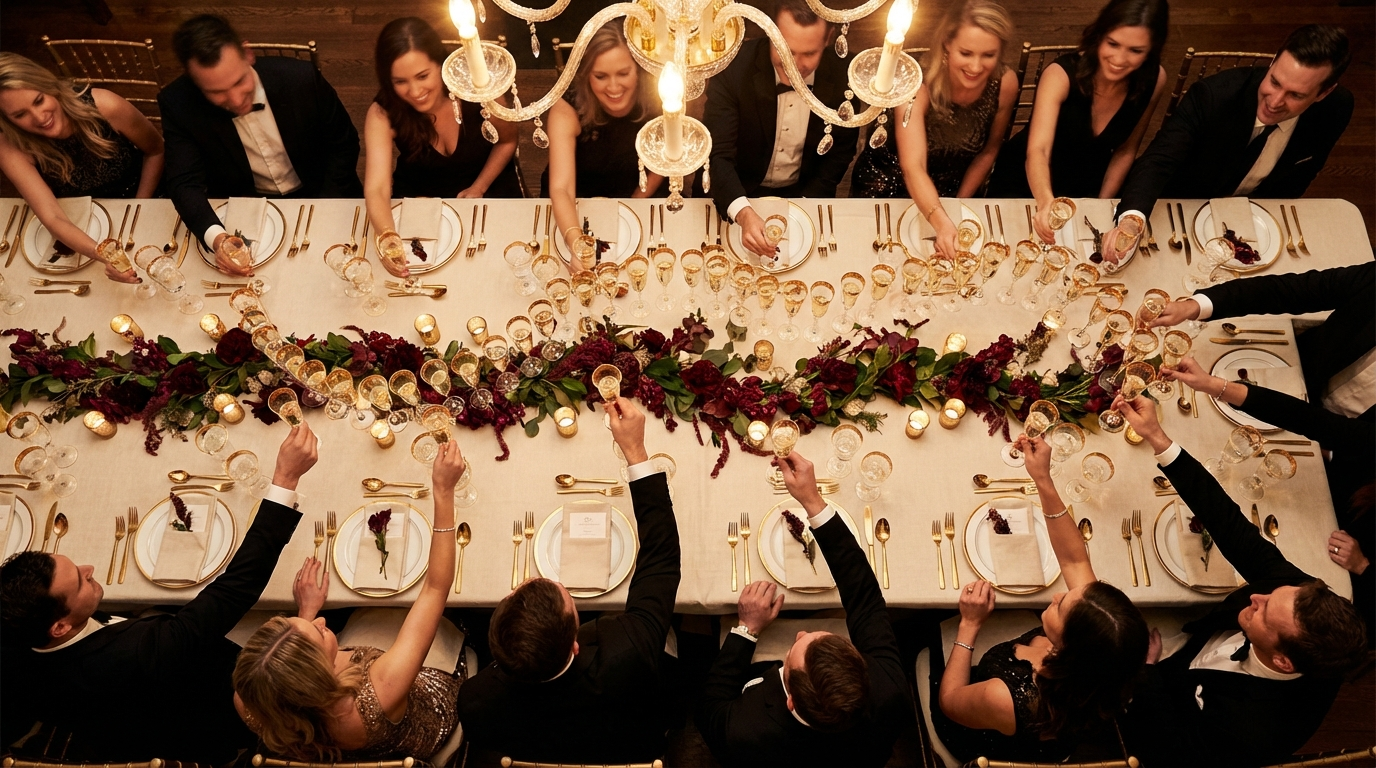
Planning a successful fundraiser dinner is about more than just raising money. It's about creating an experience that leaves a lasting positive impression on your guests. And a crucial, often overlooked, element of that experience is the fundraiser dinner seating arrangement. Thoughtful seating can encourage networking, foster a sense of community, and ultimately, contribute to the overall success of your event. Get it wrong, and you risk awkward silences, missed connections, and a less-than-optimal fundraising outcome.
Key Takeaways
- Strategic fundraiser dinner seating can significantly enhance guest experience and boost donations.
- Carefully consider guest relationships, interests, and donation potential when planning your seating chart.
- Utilize seating chart software like SeatingChartCreator.com to simplify the planning process and visualize table arrangements.
- Avoid common seating mistakes such as isolating VIPs or placing competitors at the same table.
- Always have a backup plan in case of last-minute changes or unexpected guest arrivals.
Why is Fundraiser Dinner Seating So Important?
You might think that food, entertainment, and the cause itself are the only things that matter at a fundraiser. However, strategic fundraiser dinner seating plays a vital role in shaping the overall atmosphere and achieving your fundraising goals. Think of it as the silent engine driving engagement and donations.
Design Your Perfect Seating Chart
Free drag-and-drop seating chart creator for weddings, events, and venues. Export professional PDFs in minutes.
Create Free Seating ChartEffective seating arrangements can:
- Facilitate Networking: Placing guests with shared interests or professional connections at the same table encourages conversation and builds valuable relationships.
- Boost Engagement: A well-thought-out seating plan ensures that guests are seated with individuals they'll enjoy spending time with, leading to higher engagement with the event and the cause.
- Optimize Donation Potential: Strategically seating potential major donors with influential figures or passionate advocates can create opportunities for impactful conversations and increased giving.
- Create a Positive Atmosphere: Thoughtful seating prevents awkward silences and ensures that everyone feels comfortable and included, contributing to a positive and memorable experience.
In short, fundraiser dinner seating isn't just about filling chairs; it's about creating an environment that fosters connection, engagement, and generosity.
Understanding Your Guests: The Key to Perfect Seating
Before you even think about table numbers and place cards, you need to deeply understand your guests. This means going beyond just names and titles and delving into their interests, relationships, and potential contributions.
Start by gathering as much information as possible about your attendees. Consider these factors:
- Relationship to the Cause: Are they long-time supporters, new prospects, or volunteers? Understanding their level of commitment will help you tailor the experience.
- Interests and Hobbies: Identifying common interests can help you create natural conversation starters and foster connections.
- Professional Background: Knowing their industry and expertise can facilitate networking opportunities and potential collaborations.
- Donation History: Understanding their past giving patterns can help you identify potential major donors and strategically seat them for maximum impact.
- Personal Relationships: Be aware of any existing relationships, both positive and negative, to avoid awkward situations.
The more you know about your guests, the better equipped you'll be to create a seating arrangement that maximizes their enjoyment and engagement. Don't be afraid to reach out to your fundraising team or board members for insights into individual attendees.
Pro Tip
Create a simple spreadsheet to track guest information. Include columns for name, affiliation, relationship to the cause, interests, donation history, and any relevant notes. This will be your go-to resource when planning your fundraiser dinner seating.
Step-by-Step Guide to Creating a Winning Seating Chart
Now that you understand the importance of strategic seating and have gathered information about your guests, it's time to create your seating chart. Here's a step-by-step guide to help you through the process:
Determine Your Table Layout
Work with your venue to determine the best table layout for your space. Consider the number of guests and the overall ambiance you want to create. Round tables are generally better for conversation, while rectangular tables can be more space-efficient. Get the exact dimensions of the room and the tables!
Identify VIP Guests and Honorees
These individuals should be given priority seating, typically at tables closest to the stage or podium. Consider seating them with other influential figures or key supporters.
Group Guests with Shared Interests
Use the information you gathered about your guests to identify common interests and group them accordingly. This will encourage conversation and create a more engaging experience.
Strategically Seat Potential Major Donors
Seat potential major donors with individuals who can inspire them and advocate for your cause. This could include board members, passionate volunteers, or other significant donors.
Use Seating Chart Software
Utilize a seating chart tool like SeatingChartCreator.com to visualize your table arrangements and easily make changes. Our drag-and-drop interface makes the process simple and efficient, and it's completely free! Create Your Seating Chart now!
Review and Refine
Once you've created your initial seating chart, take some time to review it carefully. Ask for feedback from your fundraising team or board members. Be prepared to make adjustments based on their input.
Finalize and Communicate
Once you're satisfied with your seating chart, finalize it and communicate the arrangements to your guests. This can be done through place cards, table assignments, or a digital seating chart displayed at the event.
Leveraging Technology: How Seating Chart Software Simplifies the Process
In the past, creating a seating plan was a tedious and time-consuming task involving sticky notes, spreadsheets, and endless revisions. Thankfully, technology has provided us with powerful tools to streamline the process. Seating chart software like SeatingChartCreator.com offers a range of features that can simplify and enhance your fundraiser dinner seating efforts.
Here's how technology can help:
- Visual Planning: Drag-and-drop interfaces allow you to easily visualize your table arrangements and experiment with different seating configurations.
- Guest Management: Store and manage guest information, including names, affiliations, interests, and dietary restrictions, all in one place.
- Collaboration: Share your seating chart with your team and gather feedback in real-time.
- Automated Optimization: Some seating chart programs offer automated optimization features that can suggest seating arrangements based on your criteria.
- Easy Communication: Generate printable place cards, table assignments, and digital seating charts for easy communication with your guests.
By leveraging technology, you can save time, reduce stress, and create a more effective and engaging seating arrangement for your fundraiser dinner. Best of all, SeatingChartCreator.com is free to use, making it accessible to organizations of all sizes.
Key Insight
Using seating chart software not only saves you time but also allows you to analyze different seating scenarios and predict potential interactions between guests, leading to a more strategic and impactful event.
Seating VIPs and Major Donors: Maximizing Their Impact
When it comes to fundraiser dinner seating, VIPs and major donors require special attention. These individuals are crucial to the success of your event, and their seating arrangements should be carefully considered to maximize their impact and engagement.
Here are some tips for seating VIPs and major donors:
- Prioritize Proximity: Seat them at tables closest to the stage or podium to ensure they have a clear view of the program.
- Strategic Companions: Seat them with other influential figures, passionate advocates, or potential major donors to foster meaningful conversations.
- Consider Their Preferences: If possible, consider their personal preferences when assigning seating. Do they prefer to sit with people they know, or are they open to meeting new individuals?
- Avoid Isolation: Don't isolate VIPs or major donors at tables with only junior staff members. Ensure they are surrounded by individuals who can engage them in stimulating conversation.
- Communicate in Advance: Let them know who they will be seated with in advance to give them time to prepare and anticipate potential conversations. This is a nice touch that shows you value their attendance.
By strategically seating VIPs and major donors, you can create opportunities for impactful conversations, strengthen relationships, and ultimately, increase their support for your cause.
Creating Conversation-Friendly Tables: Fostering Engagement
The goal of fundraiser dinner seating is not just to fill chairs, but to create an environment that fosters conversation and engagement. You want your guests to feel comfortable, connected, and inspired to support your cause. Here are some strategies for creating conversation-friendly tables:
- Mix and Match: Don't seat people exclusively with their colleagues or friends. Mix and match guests from different backgrounds and affiliations to encourage new connections.
- Common Interests: Group guests with shared interests or hobbies to provide natural conversation starters.
- Thoughtful Placement: Consider the personalities of your guests when assigning seating. Pair outgoing individuals with those who might be more reserved to help draw them into the conversation.
- Table Size: Opt for round tables, which facilitate conversation more easily than rectangular tables. Aim for 8-10 guests per table to allow for a good balance of interaction.
- Conversation Starters: Provide table games or conversation starters to help break the ice and get people talking.
Remember, a little thoughtfulness can go a long way in creating a welcoming and engaging atmosphere for your guests.
Fundraiser Dinner Seating Examples and Templates
Sometimes, seeing examples can spark inspiration and help you visualize different seating arrangements. Here are a few fundraiser dinner seating examples and templates to get you started:
Example 1: Focus on Networking
- Table Composition: Mix of industry professionals, potential collaborators, and experienced mentors.
- Goal: Facilitate networking opportunities and foster new partnerships.
- Key Guests: Industry leaders, entrepreneurs, and investors.
Example 2: Focus on Major Donors
- Table Composition: Major donors, board members, and passionate advocates for the cause.
- Goal: Cultivate relationships, inspire giving, and strengthen commitment to the cause.
- Key Guests: High-net-worth individuals, philanthropists, and long-time supporters.
Example 3: Focus on Community Building
- Table Composition: Mix of volunteers, staff members, beneficiaries, and community leaders.
- Goal: Foster a sense of community, celebrate accomplishments, and inspire continued involvement.
- Key Guests: Volunteers, program participants, and local influencers.
Template: The "Power Table"
- Table Composition: CEO, Board Chair, Major Donor, Key Sponsor, Influencer, and their respective plus-ones.
- Goal: Showcase top-tier support and facilitate high-level networking.
- Considerations: Ensure everyone is comfortable and conversational.
These are just a few examples, and the best seating arrangement will depend on the specific goals and demographics of your event. Don't be afraid to experiment and customize your seating plan to meet your unique needs. You can also find Free Templates on our website to help you get started!
Pro Tip
Consider color-coding your seating chart based on guest type (e.g., donors, volunteers, staff). This will help you quickly identify potential imbalances and make adjustments as needed.
Common Fundraiser Dinner Seating Mistakes to Avoid
Even with the best intentions, it's easy to make mistakes when planning your fundraiser dinner seating. Here are some common pitfalls to avoid:
- Isolating VIPs or Major Donors: Ensure they are seated with individuals who can engage them in meaningful conversation and make them feel valued.
- Ignoring Relationships: Be aware of any existing relationships, both positive and negative, to avoid awkward or uncomfortable situations.
- Seating Competitors Together: Avoid seating individuals or companies that are in direct competition with each other at the same table.
- Forgetting Dietary Restrictions: Always accommodate dietary restrictions and allergies when assigning seating.
- Not Having a Backup Plan: Be prepared for last-minute changes or unexpected guest arrivals with a flexible seating plan.
Warning
Failing to consider dietary restrictions can be a major faux pas. Always confirm dietary needs with your guests in advance and communicate them clearly to the catering staff.
By avoiding these common mistakes, you can ensure that your fundraiser dinner seating contributes to a positive and successful event.
Expert Tips and Pro Advice for Fundraiser Dinner Seating Success
Beyond the basics, here are some expert tips and pro advice to help you elevate your fundraiser dinner seating to the next level:
- Create a Seating "Wish List": Ask your fundraising team or board members for input on specific seating requests. This can help you identify key relationships and strategic opportunities.
- Use a "Buddy System": Pair new attendees with experienced supporters to help them feel welcome and engaged.
- Consider Table Themes: Create themed tables based on interests, hobbies, or professional backgrounds to spark conversation and create a sense of community.
- Provide Clear Signage: Ensure that your seating chart and table assignments are clearly displayed and easy to understand.
- Train Your Staff: Brief your staff on the seating arrangements and encourage them to facilitate introductions and conversations.
Warning
Don't wait until the last minute to finalize your seating chart. Start planning early and allow ample time for revisions and adjustments. Last-minute changes can lead to errors and oversights.
By following these expert tips, you can create a fundraiser dinner seating arrangement that is both strategic and engaging, contributing to a memorable and successful event.
Frequently Asked Questions
Ideally, you should aim to finalize your fundraiser dinner seating chart at least one week before the event. This allows ample time for printing place cards, communicating table assignments to guests, and making any necessary last-minute adjustments. However, the earlier you start planning, the better. Begin gathering guest information and considering potential seating arrangements several weeks in advance.
Get Event Planning Tips
Weekly tips on seating arrangements, event layouts, and planning strategies.
SeatingChart Team
Our team of event planning experts is dedicated to helping you create unforgettable events with perfect seating arrangements.
Ready to Create Your Seating Chart?
Start planning your perfect event layout with our free drag-and-drop seating chart creator. No sign-up required to try it out!
Try Free Seating Chart Creator