7 Room Planner Fails That Make Guests Cringe (Don't Do #3!)

Planning an event can feel like juggling a million details at once. From the guest list to the menu, every decision plays a crucial role in creating a memorable experience. But one aspect that often gets overlooked, or worse, poorly executed, is the room planner. A well-thought-out seating plan or table arrangement can foster connections, ensure smooth traffic flow, and ultimately, elevate your event. A poorly designed one? It can lead to awkward silences, logistical nightmares, and guests who feel like they've been relegated to Siberia. So, before you finalize your event layout, let's dive into seven common room planner fails that can make your guests cringe — and how to avoid them!
Key Takeaways
- Failing to consider guest dynamics can lead to uncomfortable seating arrangements.
- Ignoring traffic flow and accessibility can create logistical nightmares.
- Using outdated or clunky room planner tools can waste time and increase errors.
- Not having a backup plan for last-minute changes can cause major stress.
- Overcrowding a space or selecting the wrong table shapes can negatively impact the guest experience.
1. The "Random Assignment" Room Planner Catastrophe
Imagine walking into an event, eager to mingle, only to find yourself stuck at a table with people you have absolutely nothing in common with. This is the dreaded "random assignment" scenario, a common pitfall in room planning. Simply assigning guests to tables without considering their personalities, interests, or relationships is a recipe for awkwardness. While you can't guarantee everyone will become best friends, thoughtful placement can spark engaging conversations and create a more enjoyable atmosphere for everyone involved.
Think about it: putting all the introverts at one table while the extroverts dominate another might not lead to the most balanced dynamic. Similarly, seating feuding family members next to each other is a surefire way to create tension. A little bit of strategic thinking can go a long way.
How can you avoid this seating chart snafu? Start by gathering information about your guests. Pay attention to relationships: who are close friends, family members, or colleagues? Consider their interests and personalities: who shares common hobbies or professional backgrounds? Use this information to create tables that encourage connection and conversation.
2. Forgetting About Traffic Flow and Accessibility in Your Seating Plan
A beautiful room planner is useless if guests can't easily navigate the space. Overlooking traffic flow and accessibility is a major oversight that can lead to frustration and congestion. Imagine guests having to squeeze between tables, tripping over chairs, or struggling to reach the buffet. Not a pretty picture, right?
Consider the needs of guests with disabilities. Are there wheelchair-accessible routes to all areas of the venue? Are there tables with enough space for guests using mobility devices? Providing a comfortable and inclusive environment for all attendees is essential.
Think about the placement of tables in relation to high-traffic areas. Avoid placing tables directly in front of doorways or near the bar, as this can create congestion and disrupt the flow of traffic. Instead, position tables in quieter areas where guests can relax and enjoy the event.
3. Clunky, Outdated Room Planner Tools (The Spreadsheet Nightmare!)
Let's face it: using spreadsheets or pen and paper to create your seating chart in 2026 is like using a horse and buggy on the Autobahn. It's slow, inefficient, and prone to errors. Manually managing guest lists, table assignments, and dietary restrictions can quickly become a logistical nightmare.
Modern room planner tools offer a much more efficient and user-friendly solution. With drag-and-drop functionality, intuitive interfaces, and collaborative features, these tools can streamline the entire seating arrangement process. You can easily visualize the layout of the room, experiment with different table configurations, and make changes on the fly.
Why waste hours wrestling with spreadsheets when you can create a stunning seating plan in minutes? Tools like SeatingChartCreator.com offer a free and easy way to design your dream event layout. Ditch the outdated methods and embrace the power of technology!
Design Your Perfect Seating Chart
Free drag-and-drop seating chart creator for weddings, events, and venues. Export professional PDFs in minutes.
Create Free Seating Chart4. How to Create an Efficient Seating Plan with Online Tools
Ready to ditch the spreadsheet and embrace the power of online room planner tools? Here's a step-by-step guide to creating an efficient seating plan with a user-friendly platform like SeatingChartCreator.com:
Input Your Guest List
Start by importing your guest list into the room planner tool. You can typically upload a CSV file or manually enter guest information. Include details like names, relationships, dietary restrictions, and any other relevant notes.
Design Your Room Layout
Use the drag-and-drop interface to create your room layout. Add tables, chairs, and other elements like a stage, dance floor, or buffet. Customize the size and shape of the tables to match your venue's specifications.
Assign Guests to Tables
Begin assigning guests to tables based on your knowledge of their relationships and interests. Most room planner tools allow you to easily drag and drop guests onto tables. You can also use filters to quickly find specific guests or groups.
Visualize and Adjust
Take a look at your seating arrangement from different angles to ensure that it makes sense. Make adjustments as needed to optimize traffic flow and create a comfortable atmosphere for your guests. Don't be afraid to experiment with different table configurations until you find the perfect fit.
Share and Collaborate
Share your seating plan with other members of your event planning team or family for feedback. Many online tools allow for collaborative editing, making it easy to make changes and refine the table arrangement together.
5. The Peril of No Backup Plan for Your Seating Chart
Even with the most meticulous planning, last-minute changes are inevitable. A guest might cancel unexpectedly, dietary restrictions might change, or the venue layout might be slightly different than anticipated. Not having a backup plan for these scenarios can lead to chaos and stress on the day of the event.
What happens when Aunt Mildred calls the morning of the wedding saying she can't make it? Or when you find out the venue swapped out round tables for rectangular ones at the last minute? Having a contingency plan in place can save you from a potential meltdown.
Before You Finalize Your Seating Chart
- Confirm attendance with all guests a few days before the event
- Double-check dietary restrictions and allergies
- Reconfirm the venue layout with the event coordinator
How can you prepare for the unexpected? Keep a few extra seats open at strategic tables, be prepared to rearrange guests on the fly, and have alternative table configurations in mind. Flexibility is key to navigating last-minute changes with grace.
6. Cramped Quarters: Overcrowding Your Event Space
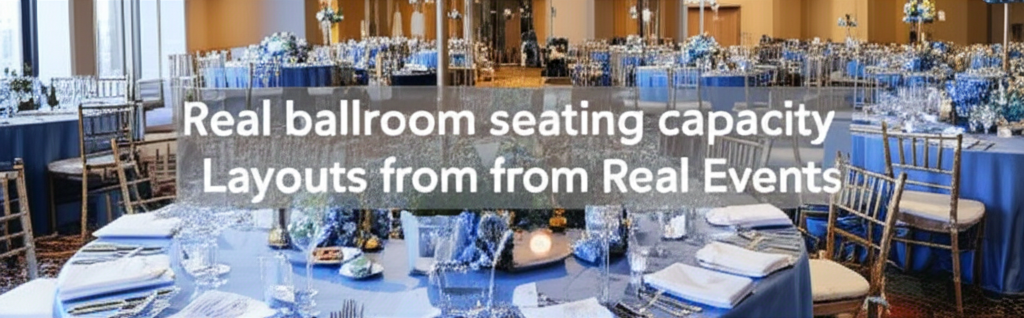
While you want to maximize your event space, packing guests in like sardines is never a good idea. Overcrowding can make guests feel uncomfortable, claustrophobic, and unable to move freely. It can also create safety hazards and make it difficult for staff to provide adequate service.
A comfortable event layout allows guests to move freely, mingle, and enjoy the atmosphere without feeling cramped. Providing ample space between tables and chairs is essential for creating a positive guest experience.
How can you avoid overcrowding? Start by accurately assessing the capacity of your venue. Work with the venue staff to determine the maximum number of guests that can comfortably fit in the space. Consider the layout of the room and the placement of tables, chairs, and other elements. Prioritize guest comfort and safety above all else.
Quick Summary
Avoid overcrowding by knowing your venue's capacity, planning ample space between tables, and prioritizing guest comfort for a positive experience.
7. Table Shape Trauma: Choosing the Wrong Tables
Believe it or not, the shape of your tables can have a significant impact on the overall atmosphere of your event. Round tables encourage conversation and create a sense of intimacy, while rectangular tables are more space-efficient and can create a more formal look. Choosing the wrong table shape can disrupt the flow of conversation and create an awkward dynamic.
Imagine trying to have a meaningful conversation with someone sitting across a long rectangular table. It can feel impersonal and disconnected. On the other hand, trying to fit too many guests around a small round table can feel cramped and uncomfortable.
Round Tables
- Better for conversation and interaction
- Creates a more intimate and inclusive atmosphere
- Works well for smaller groups
Rectangular Tables
- More space-efficient, allowing you to seat more guests
- Can create a more formal and structured look
- Ideal for larger groups or banquet-style seating
Consider the style of your event and the desired atmosphere when choosing table shapes. For a wedding or other social gathering, round tables are often a popular choice. For a corporate event or conference, rectangular tables may be more appropriate. Ultimately, the best table shape will depend on your specific needs and preferences.
8. Ignoring the Needs of VIP Guests
Every event has VIP guests — whether it's the guest of honor, key stakeholders, or important family members. Neglecting their needs when creating your room planner can be a major faux pas. Ensure that VIP guests are seated in a prominent location, close to the action, and with people they'll enjoy interacting with.
Think about it: seating the mother of the bride in the back corner next to the restrooms is probably not the best idea. Similarly, placing a keynote speaker at a table with people who aren't in their industry could lead to some awkward conversations.
Consider the sightlines from their seats. Ensure they have a clear view of the stage or any other focal points. Also, think about their proximity to the restrooms, exits, and other amenities. Make sure they are comfortable and well taken care of throughout the event. You can use the notes section within SeatingChartCreator.com to mark VIP guests.
9. Common Room Planner Mistakes to Avoid
Room planning can be tricky, and it's easy to make mistakes along the way. Here are some common pitfalls to avoid to ensure your event layout is a success:
- Not considering guest dynamics: As we discussed earlier, random assignments are a recipe for awkwardness.
- Ignoring traffic flow: Make sure guests can easily navigate the space without squeezing or bumping into each other.
- Overcrowding the space: Give guests room to breathe and move comfortably.
- Forgetting about accessibility: Ensure that all areas of the venue are accessible to guests with disabilities.
- Not having a backup plan: Be prepared to make adjustments on the fly in case of last-minute changes.
10. Expert Tips for Flawless Event Seating
Want to take your room planning skills to the next level? Here are some expert tips for creating a flawless event layout:
- Use a professional room planner tool: Ditch the spreadsheets and embrace the power of technology. Tools like SeatingChartCreator.com can save you time and effort.
- Gather information about your guests: The more you know about your guests, the better you can match them with compatible tablemates.
- Visualize the room: Take a virtual tour of the venue or create a 3D model to get a better sense of the space.
- Consider the flow of the event: Think about how guests will move through the space and plan your layout accordingly.
- Get feedback from others: Share your seating plan with other members of your event planning team or family for input.
By following these tips, you can create a room planner that is both functional and aesthetically pleasing, ensuring a memorable and enjoyable event for all.
Frequently Asked Questions
Send out a pre-event questionnaire or RSVP card that includes questions about their interests, relationships, and any special needs. You can also reach out to close friends or family members for insights. Observation during pre-event gatherings can offer hints to their personalities as well — are they talkative, quiet, reserved, or outgoing?
Get Event Planning Tips
Weekly tips on seating arrangements, event layouts, and planning strategies.
SeatingChart Team
Our team of event planning experts is dedicated to helping you create unforgettable events with perfect seating arrangements.
Ready to Create Your Seating Chart?
Start planning your perfect event layout with our free drag-and-drop seating chart creator. No sign-up required to try it out!
Try Free Seating Chart Creator