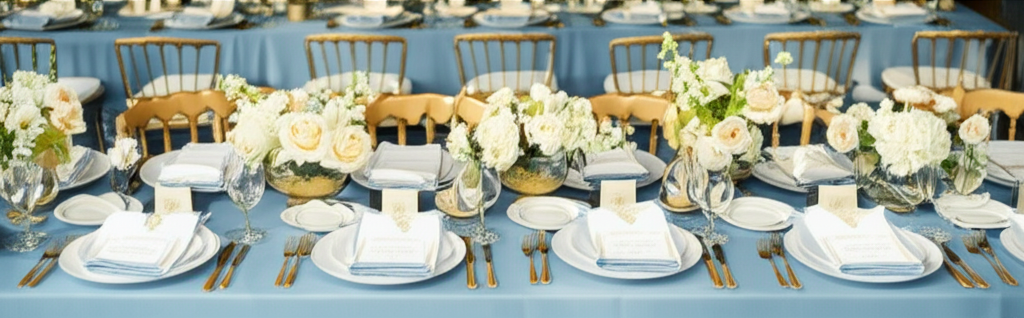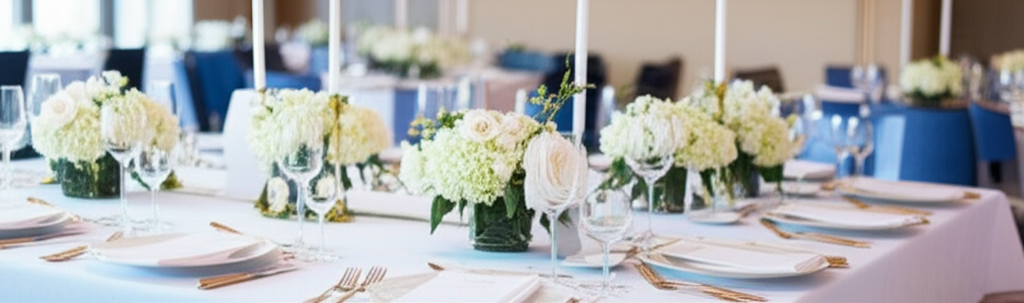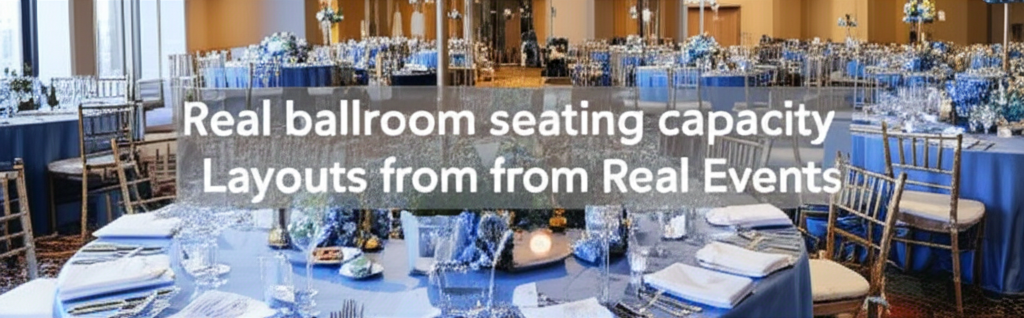

Planning an event in 2026? Whether it's a wedding, a corporate conference, or a simple birthday party, nailing the layout is crucial. A well-thought-out building layout maker not only maximizes space but also enhances the overall experience for your guests. It dictates flow, encourages interaction, and sets the tone for the entire event. But where do you even begin? This comprehensive guide will walk you through everything you need to know about creating a stunning and functional layout, ensuring your event is a resounding success. We'll cover key considerations, practical tips, common mistakes to avoid, and even introduce you to tools like SeatingChartCreator.com that can simplify the process.
Design Your Perfect Seating Chart
Free drag-and-drop seating chart creator for weddings, events, and venues. Export professional PDFs in minutes.
Create Free Seating ChartKey Takeaways
- A well-designed layout enhances guest experience and event flow.
- Consider guest count, venue size, and event type when planning your layout.
- Utilize online tools like SeatingChartCreator.com to streamline the layout creation process.
- Avoid common mistakes like overcrowding and neglecting accessibility.
- Prioritize guest comfort and interaction when arranging tables and seating.
Why is a Building Layout Maker Essential for Your Event?
Think of your event layout as the blueprint for a memorable experience. It's more than just arranging tables and chairs; it's about creating an environment that fosters connection and enjoyment. A poorly planned layout can lead to congestion, awkward conversations, and an overall feeling of discomfort. On the other hand, a well-executed layout can transform a simple gathering into a truly special occasion.
A well thought out plan using a building layout maker affects several key aspects of your event:
- Guest Flow: Ensuring smooth movement between different areas, like the entrance, bar, dining area, and dance floor.
- Social Interaction: Encouraging conversation and mingling through strategic table arrangements.
- Accessibility: Providing ample space for guests with mobility issues and ensuring easy access to all amenities.
- Aesthetics: Creating a visually appealing and cohesive environment that complements your event's theme and style.
By carefully considering these factors, you can use a building layout maker to create a space that not only looks great but also functions seamlessly, leaving a lasting positive impression on your guests. Don't underestimate the power of thoughtful planning – it's the foundation for a successful and enjoyable event.
Key Considerations Before You Start Planning
Before you even think about dragging and dropping tables in a building layout maker, there are several critical factors you need to consider. These foundational elements will influence every decision you make and ensure your layout is both practical and aesthetically pleasing. Let's break down the key considerations:
- Guest Count: This is the most fundamental factor. Knowing your confirmed guest count will dictate the size and density of your layout.
- Venue Size and Shape: The dimensions and layout of your venue will significantly impact your options. Obtain a detailed floor plan with accurate measurements.
- Event Type: A wedding reception requires a different layout than a corporate conference or a casual birthday party. Consider the specific activities and needs of your event.
- Budget: Your budget will influence your choices regarding furniture rentals, decorations, and other layout-related expenses.
- Accessibility Requirements: Ensure your layout is accessible to all guests, including those with mobility issues. This includes providing ample space for wheelchairs and walkers.
- Power Outlets & Existing Fixtures: Identify the location of power outlets for lighting, sound equipment, and other electrical needs. Note any existing fixtures like pillars, windows, or permanent structures that might affect your layout.
Taking the time to carefully assess these factors will save you time and frustration in the long run. It's about laying the groundwork for a successful and stress-free event planning process. A building layout maker becomes much more useful when you have these things ironed out.
How to Use a Building Layout Maker Effectively
Now that you've laid the groundwork, it's time to dive into the practical steps of using a building layout maker. These tools can be incredibly powerful, but only if you know how to use them effectively. Here's a step-by-step guide to help you create a stunning and functional layout:
Choose Your Tool
Select a building layout maker that suits your needs and budget. SeatingChartCreator.com is a great option for creating seating charts, offering a free and easy-to-use drag-and-drop interface.
Input Venue Dimensions
Accurately enter the dimensions of your venue into the tool. This will provide a realistic canvas for your layout planning.
Add Tables and Chairs
Drag and drop tables and chairs onto the canvas, experimenting with different arrangements. Consider the number of guests per table and the overall flow of the room.
Incorporate Other Elements
Add other essential elements like the dance floor, bar, buffet tables, and stage (if applicable). Ensure there's enough space around each element for guests to move comfortably.
Visualize and Refine
Take advantage of the tool's visualization features to get a sense of how the layout will look in real life. Make adjustments as needed to optimize space and flow.
Share and Collaborate
Share your layout with other members of your planning team (e.g., caterer, venue manager) for feedback and collaboration. Most building layout maker tools allow you to easily share your plans.
Remember to continuously refine your layout based on feedback and your evolving understanding of the event requirements. Don't be afraid to experiment with different arrangements until you find the perfect fit.
Optimizing Guest Flow and Interaction
The secret to a successful event isn't just about aesthetics; it's about how people move and interact within the space. You need to consider guest flow and social interaction when you use a building layout maker. Here are some strategies for optimizing these crucial elements:
- Create Clear Pathways: Ensure there are wide and unobstructed pathways between different areas of the venue. Avoid creating bottlenecks or dead ends.
- Strategically Position Key Elements: Place the bar, buffet tables, and dance floor in locations that are easily accessible from all areas of the room.
- Use Table Arrangements to Encourage Conversation: Round tables are generally better for conversation than long rectangular tables. Position tables close enough to each other to facilitate interaction, but not so close that guests feel cramped.
- Consider Sightlines: Ensure that guests have clear sightlines to the stage or any other focal points of the event.
- Create Zones: Designate specific areas for different activities, such as a lounge area, a photo booth, or a children's play area.
By carefully considering these factors, you can create a layout that encourages mingling, conversation, and a positive overall experience for your guests. A building layout maker can really help to visualize how people will move through the space.
Accessibility Considerations for Your Layout
Creating an inclusive event means ensuring that your layout is accessible to all guests, regardless of their physical abilities. Neglecting accessibility is not only unethical but can also create a negative experience for a significant portion of your attendees. When using a building layout maker, keep these considerations in mind:
- Wheelchair Accessibility: Provide ample space for wheelchairs to maneuver around tables, chairs, and other obstacles. A minimum of 36 inches of clear space is recommended.
- Ramps and Elevators: Ensure that any changes in elevation are addressed with ramps or elevators.
- Accessible Restrooms: Clearly mark the location of accessible restrooms and ensure they are easily accessible from all areas of the venue.
- Assistive Listening Devices: Consider providing assistive listening devices for guests with hearing impairments.
- Large Print Materials: Offer large print versions of menus, programs, and other printed materials.
- Adequate Lighting: Ensure that the venue is well-lit to improve visibility for guests with visual impairments.
By prioritizing accessibility, you can create an event that is welcoming and enjoyable for everyone. Accessibility should be a core consideration throughout the entire planning process, not an afterthought.
Leveraging SeatingChartCreator.com for Seamless Layout Planning
Creating a building layout maker and seating chart doesn't have to be a daunting task. Tools like SeatingChartCreator.com are designed to simplify the process and help you create a stunning and functional layout with ease. Here's how you can leverage the platform:
- Free and Easy-to-Use Interface: SeatingChartCreator.com offers a user-friendly drag-and-drop interface that makes it easy to create and customize your layout.
- Pre-Designed Templates: Start with one of the pre-designed templates to save time and effort. These templates can be easily customized to fit your specific needs. You can find Free Templates here.
- Collaboration Features: Share your layout with other members of your planning team for feedback and collaboration.
- Guest Management Tools: Easily manage your guest list and assign seating arrangements.
- Printable Seating Charts: Generate printable seating charts to display at the entrance of your event.
SeatingChartCreator.com empowers you to take control of your layout planning process and create a memorable event for your guests. Plus, it's free to use, making it an accessible option for events of all sizes.
Common Mistakes to Avoid When Planning Your Layout
Even with the best intentions, it's easy to make mistakes when planning your event layout. Being aware of these common pitfalls can help you avoid them and create a more successful event. When you're using a building layout maker, be sure to avoid these errors:
- Overcrowding: Trying to cram too many tables and chairs into a small space will make guests feel cramped and uncomfortable.
- Neglecting Accessibility: Failing to provide adequate space for wheelchairs and other mobility devices will exclude guests and create a negative experience.
- Poor Traffic Flow: Creating bottlenecks or dead ends will make it difficult for guests to move around the venue.
- Ignoring Sightlines: Failing to ensure that guests have clear sightlines to the stage or other focal points of the event will diminish their enjoyment.
- Forgetting Power Outlets: Not planning for adequate power outlets can lead to logistical problems and potential safety hazards.
By avoiding these common mistakes, you can create a layout that is both functional and enjoyable for all your guests. Careful planning and attention to detail are key.
Layout Examples and Templates
Sometimes, the best way to get inspired is to look at examples of successful layouts. Here are a few common layout types, along with their pros and cons:
Theater Style
- Maximizes seating capacity
- Good for presentations and conferences
Classroom Style
- Provides space for note-taking
- Suitable for workshops and training sessions
Banquet Style (Round Tables)
- Encourages conversation
- Classic and elegant look
Cocktail Style (High-Top Tables)
- Promotes mingling and networking
- More casual and relaxed atmosphere
You can also find numerous layout templates online, including those available on SeatingChartCreator.com. These templates can provide a starting point for your own layout planning and help you visualize different possibilities. Remember to tailor the template to your specific needs and preferences.
Advanced Building Layout Maker Strategies
Ready to take your layout planning to the next level? Here are some advanced strategies to consider:
- Incorporate Branding: Integrate your event's branding into the layout through the use of colors, signage, and other visual elements.
- Use Lighting to Create Ambiance: Strategic lighting can dramatically enhance the atmosphere of your event. Consider using uplighting, spotlights, and other lighting techniques to create the desired mood.
- Add Greenery and Floral Arrangements: Incorporating plants and flowers can add a touch of elegance and freshness to your layout.
- Create a Focal Point: Designate a specific area of the venue as a focal point, such as a stage, a dance floor, or a stunning floral display.
- Consider the Acoustics: Pay attention to the acoustics of the venue and take steps to minimize noise levels. This may involve using sound-absorbing materials or strategically placing furniture.
By implementing these advanced strategies, you can create a truly unforgettable event experience for your guests. A well-designed layout is about more than just functionality; it's about creating an atmosphere that resonates with your attendees.
Expert Tips for Flawless Execution
Planning a great layout is only half the battle. Here are some expert tips to ensure smooth execution on the day of the event:
- Communicate Your Layout Clearly: Provide a detailed layout plan to all vendors and staff members involved in the event.
- Conduct a Walk-Through: Schedule a walk-through of the venue with your vendors and staff to ensure everyone is on the same page.
- Prepare for Contingencies: Have a backup plan in case of unexpected issues, such as inclement weather or equipment malfunctions.
- Designate a Point Person: Assign a specific person to oversee the layout setup and ensure that everything is in place.
- Be Flexible: Be prepared to make adjustments to the layout on the day of the event if necessary.
By following these expert tips, you can minimize stress and ensure that your event runs smoothly from start to finish. Remember, meticulous planning and clear communication are the keys to success.
Frequently Asked Questions
The ideal table size depends on the number of guests you want to seat at each table. Round tables typically seat 8-10 guests comfortably. Rectangular tables can accommodate more guests but may not be as conducive to conversation. Consider the overall layout of your venue and the desired atmosphere when choosing table sizes.
Get Event Planning Tips
Weekly tips on seating arrangements, event layouts, and planning strategies.
SeatingChart Team
Our team of event planning experts is dedicated to helping you create unforgettable events with perfect seating arrangements.
Ready to Create Your Seating Chart?
Start planning your perfect event layout with our free drag-and-drop seating chart creator. No sign-up required to try it out!
Try Free Seating Chart Creator