
Planning your wedding? Congratulations! Amidst all the excitement, choosing the perfect wedding reception table layout can feel overwhelming. It's not just about aesthetics; it’s about creating a comfortable and engaging atmosphere for your guests. The right table arrangement can encourage mingling, ensure smooth service, and contribute significantly to the overall flow of your celebration. But with so many options — round, rectangular, banquet style — where do you even begin?
Key Takeaways
- Choosing the right wedding reception table layout impacts guest comfort and interaction.
- Consider your venue size, guest count, and desired atmosphere when planning your table arrangement.
- Round tables encourage conversation, while rectangular tables maximize space.
- Utilize a seating chart tool like SeatingChartCreator.com to visualize and manage your table plan.
- Don't forget to factor in space for walkways, dance floor, and service areas.
Why Your Wedding Reception Table Layout Matters
Think of your wedding reception table layout as the foundation upon which your celebration is built. It influences everything from the flow of traffic to the energy in the room. A well-planned layout ensures your guests are comfortable, that service staff can move easily, and that everyone feels included in the festivities. It's more than just arranging tables; it's about curating an experience.
Design Your Perfect Seating Chart
Free drag-and-drop seating chart creator for weddings, events, and venues. Export professional PDFs in minutes.
Create Free Seating ChartImagine a cramped reception where guests struggle to navigate between tables, or a cavernous room where tables feel isolated and conversation is stifled. These scenarios highlight the importance of thoughtful planning. The goal is to strike a balance between aesthetics, functionality, and guest comfort. Consider how the arrangement impacts sightlines to the head table or dance floor. A well-designed seating plan fosters a sense of community and enhances the overall enjoyment of your special day.
Beyond the practical considerations, your table arrangement also contributes to the overall aesthetic of your wedding. The shape and configuration of tables can complement your chosen theme and décor. Whether you envision a classic, romantic setting with round tables draped in linens, or a modern, minimalist vibe with long, rectangular tables, the layout plays a crucial role in bringing your vision to life.
Understanding Different Table Shapes and Their Impact
The shape of your tables significantly impacts the atmosphere of your reception. Each shape offers unique advantages and disadvantages in terms of space utilization, guest interaction, and overall aesthetics. Let's explore the most common options:
Round Tables
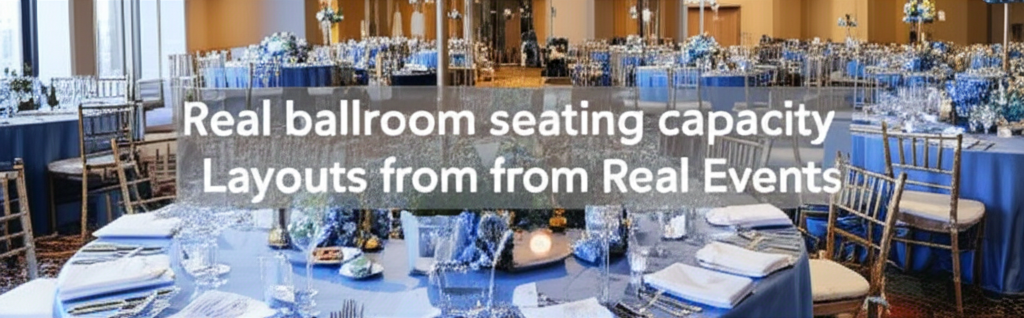
Round tables are a classic choice for wedding receptions, known for fostering conversation and creating a sense of intimacy. Guests seated at a round table can easily see and interact with each other, promoting a lively and engaging atmosphere. They also lend themselves well to elegant centerpieces and traditional décor.
However, round tables can take up more space than rectangular tables, requiring a larger venue or a reduced guest count. The standard diameter for a round table is 60-72 inches, comfortably seating 8-10 guests. Consider the size of your venue and the number of guests you plan to accommodate when deciding on round tables.
Rectangular Tables
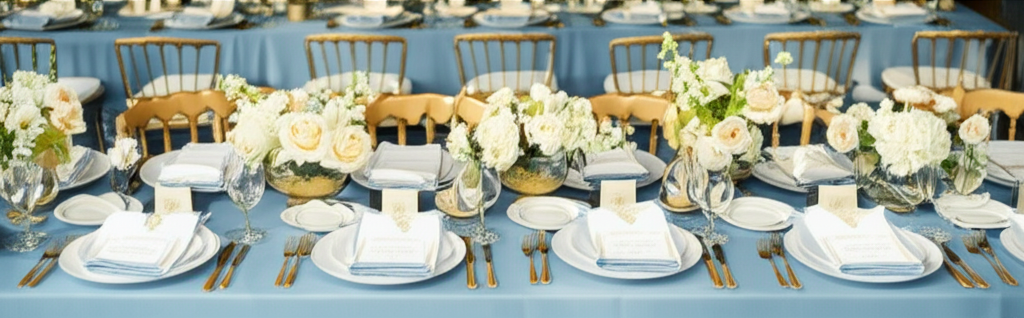
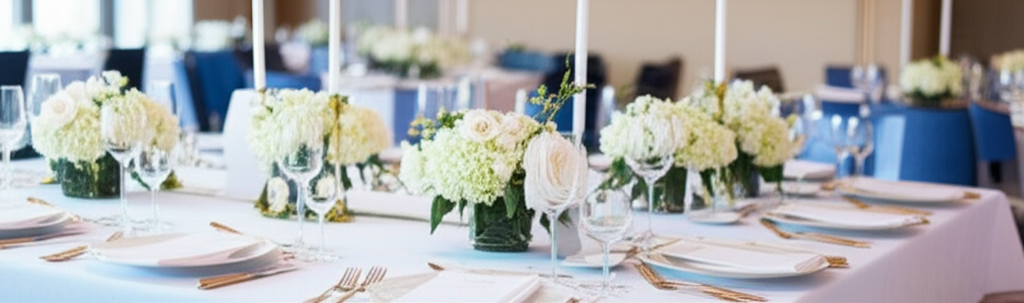
Rectangular tables, also known as banquet tables, offer a more modern and streamlined aesthetic. They are ideal for maximizing space and creating a sense of flow in the room. Rectangular tables can be arranged in various configurations, such as long rows or smaller clusters, allowing for flexibility in your table plan.
While rectangular tables may not promote conversation as readily as round tables, they can be styled to encourage interaction. Consider using runners, floral arrangements, and other décor elements to bridge the gap between guests sitting across from each other. Rectangular tables are also a popular choice for family-style dining, where guests can easily share dishes.
Square Tables
Square tables offer a contemporary and intimate feel. They work well for smaller gatherings or as accent tables in larger receptions. A square table creates a more personal dining experience, allowing for easy conversation among the guests seated around it. However, the limited seating capacity per table (typically 4-8 guests) might not be suitable for larger weddings.
Oval Tables
Oval tables blend the benefits of round and rectangular shapes. They offer a more elongated shape than round tables, allowing for a greater seating capacity, while still maintaining a sense of intimacy. Oval tables are a great option for couples who desire a more unique and elegant look.
Step-by-Step Guide to Planning Your Wedding Reception Table Layout
Creating the perfect wedding reception table layout involves careful planning and attention to detail. Here’s a step-by-step guide to help you navigate the process:
Confirm Your Guest Count
Before you start planning your table arrangement, you need to have a firm grasp on your final guest count. This number will dictate the number of tables you need and the overall size of your reception space. Send out your invitations early and follow up with guests to get accurate RSVPs.
Obtain Your Venue's Floor Plan
Request a detailed floor plan from your venue, including dimensions, locations of doorways, windows, and any fixed structures like columns or fireplaces. This will be your canvas for creating your seating plan. Understanding the space is crucial for optimizing your layout.
Choose Your Table Shapes and Sizes
Based on your venue size, guest count, and desired atmosphere, decide on the table shapes and sizes that will work best for your reception. Consider the pros and cons of each shape, as discussed earlier, and select the option that aligns with your vision.
Create a Visual Representation of Your Layout
Use a seating chart tool like SeatingChartCreator.com to create a visual representation of your table layout. Our free and easy-to-use tool allows you to drag and drop tables, arrange seating, and visualize the overall flow of your reception. This is where you bring your plan to life!
Consider Traffic Flow and Service Areas
Ensure that there is ample space for guests to move around comfortably and for service staff to access tables efficiently. Factor in the location of the dance floor, bar, buffet, and any other key areas that will require traffic flow. Aim for at least 3 feet of space between tables.
Assign Seating
Once you have your table layout in place, it's time to assign seating. Consider your guests' personalities, relationships, and shared interests when making your seating assignments. Group people together who you think will enjoy each other's company.
Finalize and Communicate Your Plan
Review your seating chart one last time to ensure that everything is perfect. Share the final plan with your venue coordinator, caterer, and any other relevant vendors. Provide them with a printed copy or digital access for easy reference.
Optimizing Your Table Layout for Guest Interaction
A successful wedding reception table layout does more than just accommodate your guests; it fosters interaction and creates a vibrant atmosphere. Here are some strategies to encourage mingling and conversation:
- Mix and Match Seating: Don't be afraid to mix up your seating arrangements. Place guests from different social circles together to encourage them to meet new people.
- Strategic Seating Assignments: Carefully consider your guests' personalities and interests when assigning seating. Place talkative and outgoing guests next to those who may be more reserved to help spark conversation.
- Create Focal Points: Position tables near focal points like the dance floor, bar, or entertainment area to draw guests in and encourage them to mingle.
- Incorporate Interactive Elements: Consider adding interactive elements to your tables, such as games or conversation starters, to break the ice and encourage guests to engage with each other.
- Ensure Comfortable Spacing: Provide ample space between tables to allow guests to move around comfortably and engage in conversation without feeling crowded.
Remember, the goal is to create an environment where your guests feel comfortable, connected, and ready to celebrate your special day. Thoughtful seating arrangements can go a long way in achieving this goal.
The Importance of Aisle Width and Traffic Flow
Beyond the table shapes and seating arrangements, the width of your aisles and the overall traffic flow are critical considerations for a successful wedding reception table layout. Narrow aisles can create bottlenecks, hinder service, and make guests feel cramped and uncomfortable.
Aim for a minimum of 3 feet of space between tables to allow guests to move around freely. Main aisles leading to key areas like the dance floor, bar, or buffet should be even wider, ideally 4-5 feet, to accommodate higher traffic volume. Consider the movement of service staff carrying trays of food and drinks when planning your aisle widths.
Pay attention to potential obstacles like columns, pillars, or stage setups that might impede traffic flow. Adjust your table arrangement accordingly to ensure that guests can navigate the space safely and comfortably. A smooth and efficient traffic flow will contribute significantly to the overall enjoyment of your reception.
Examples of Wedding Reception Table Layouts
To inspire your planning, here are a few examples of wedding reception table layouts, highlighting different styles and functionalities:
Classic Round Table Layout
- Elegant and traditional
- Fosters conversation among guests
- Suitable for formal weddings
- Requires more space
Modern Rectangular Table Layout
- Streamlined and contemporary
- Maximizes space utilization
- Ideal for family-style dining
- May require additional décor to encourage conversation
Layout Scenario 1: Intimate Wedding with 50 Guests
For a smaller, more intimate wedding, consider a combination of round and square tables. This allows for a cozy atmosphere and encourages close interaction among guests. Place the square tables closer to the dance floor or entertainment area to create a focal point.
Layout Scenario 2: Large Wedding with 200 Guests
For a larger wedding, rectangular tables might be the most practical choice to maximize space. Arrange the tables in long rows or clusters, leaving ample space for aisles and service. Consider adding a few round tables near the bar or lounge area to create a more relaxed and conversational atmosphere.
Common Mistakes to Avoid When Planning Your Table Layout
Planning your wedding reception table layout can be tricky, and it's easy to make mistakes that can impact the overall experience for your guests. Here are some common pitfalls to avoid:
- Neglecting Traffic Flow: Failing to consider traffic flow can lead to congestion and frustration for guests. Ensure that there are clear pathways to key areas like the bar, dance floor, and restrooms.
- Ignoring Sightlines: Blocking guests' views of the head table or entertainment can detract from their experience. Position tables strategically to ensure that everyone has a good view.
- Forgetting About Service Areas: Neglecting to allocate space for service areas can hinder the efficiency of your caterers and bartenders. Ensure that they have ample space to work and access tables easily.
- Overlooking Special Needs: Failing to accommodate guests with disabilities or special needs is a major oversight. Ensure that there are accessible seating options and clear pathways for wheelchairs or other mobility devices.
Expert Tips for a Flawless Wedding Reception Table Layout
Here are some expert tips to help you create a wedding reception table layout that wows your guests and contributes to a memorable celebration:
- Prioritize Guest Comfort: Always prioritize guest comfort when making your seating arrangements. Consider their personalities, relationships, and any special needs they may have.
- Create a Focal Point: Designate a focal point in your reception space, such as a stunning centerpiece on the head table or a beautifully decorated dance floor. This will draw guests in and create a sense of visual appeal.
- Use Lighting to Your Advantage: Incorporate lighting to enhance the ambiance of your reception. Use uplighting to highlight architectural features, string lights to create a romantic atmosphere, and spotlights to draw attention to key areas.
- Personalize Your Tables: Add personal touches to your tables to make them feel unique and special. Consider using custom place cards, personalized favors, or handwritten notes.
- Don't Be Afraid to Experiment: Get creative with your table layout and don't be afraid to try new things. Explore different table shapes, seating arrangements, and décor styles to create a reception that reflects your personality and vision.
Remember, your wedding reception table layout is an integral part of your special day. By following these tips and strategies, you can create a reception that is both visually stunning and functionally perfect, ensuring that your guests have an unforgettable experience.
Frequently Asked Questions
Wedding tables should be spaced at least 3 feet apart to allow guests and service staff to move comfortably between them. Main aisles, especially those leading to high-traffic areas like the bar or dance floor, should be even wider, around 4-5 feet. This ensures a smooth flow and prevents congestion.
Get Event Planning Tips
Weekly tips on seating arrangements, event layouts, and planning strategies.
SeatingChart Team
Our team of event planning experts is dedicated to helping you create unforgettable events with perfect seating arrangements.
Ready to Create Your Seating Chart?
Start planning your perfect event layout with our free drag-and-drop seating chart creator. No sign-up required to try it out!
Try Free Seating Chart Creator