The Shocking What Process Do the Events in the Timeline Reflect Truth of 2026 Weddings
The Shocking What Process Do the Events in the Timeline Reflect Truth of 2026 Weddings
Planning a wedding in 2026? Congratulations! It's an exciting time, but it can also feel overwhelming. One of the most important, and sometimes stressful, aspects of wedding planning is creating the perfect seating chart. The events in your wedding timeline, from the initial engagement to the final dance, reflect a process of careful decision-making, organization, and personalization. This process ensures your special day is memorable for all the right reasons. Let's dive into how you can master the art of wedding seating and event planning for your 2026 celebration.
Key Takeaways
- The wedding timeline reflects a process of decision-making, organization, and personalization.
- Start planning your seating arrangement early in the process to avoid last-minute stress.
- Consider guest relationships, preferences, and any potential conflicts when creating your seating chart.
- Utilize online tools like SeatingChartCreator.com to simplify the table arrangement process and collaborate with your partner.
- Communicate clearly with your venue and vendors to ensure a smooth and enjoyable wedding day.
Understanding the Wedding Planning Timeline and Its Reflection
The wedding planning timeline is more than just a series of dates; it's a reflection of the entire process involved in bringing your vision to life. From the moment you get engaged to the day you say "I do," each event in the timeline represents a critical step in creating a memorable and well-organized celebration. This includes budgeting, choosing a venue, selecting vendors, and, of course, planning the seating arrangement. A well-thought-out timeline directly impacts how smoothly you organize all the different details, from catering to guest seating.
Design Your Perfect Seating Chart
Free drag-and-drop seating chart creator for weddings, events, and venues. Export professional PDFs in minutes.
Create Free Seating ChartThink of your wedding timeline as a project management plan. It allows you to break down the complex task of wedding planning into smaller, manageable chunks. Each task, such as booking the photographer or designing the invitations, contributes to the overall goal of a perfect wedding day. The timeline helps you stay on track, prioritize tasks, and avoid feeling overwhelmed by the sheer volume of decisions that need to be made. It’s also important to be flexible and adaptable, as unexpected issues may arise that require adjustments to the timeline.
Moreover, the timeline reflects your personal style and priorities. Whether you're opting for a grand, traditional affair or an intimate, modern gathering, your choices will shape the events within the timeline. For instance, if you prioritize personalized details, you might dedicate more time to crafting DIY decorations or curating a unique menu. Conversely, if you prefer a streamlined approach, you might focus on selecting experienced vendors who can handle the details efficiently. Ultimately, the wedding timeline is a dynamic representation of your unique journey toward marriage.
The Importance of Seating Arrangements in the Wedding Timeline
Where does seating chart creation fit into your grand 2026 wedding timeline? Ideally, you should start thinking about your guest list and potential seating arrangements several months before the big day. This allows you ample time to gather RSVP information, consider guest relationships, and create a table arrangement that maximizes comfort and enjoyment. Leaving seating arrangements to the last minute can lead to unnecessary stress and potentially awkward placements.
The seating arrangement is a crucial component of the overall wedding experience. A well-planned seating plan can foster conversation, create a sense of community, and ensure that guests feel comfortable and appreciated. Conversely, a poorly planned seating arrangement can lead to awkward silences, social discomfort, and even hurt feelings. Therefore, it's essential to approach this task with careful consideration and attention to detail. Think about who would enjoy each other’s company, who might have something in common, and who would benefit from being seated near the dance floor or the bar.
Integrating seating chart creation into your wedding timeline also allows you to coordinate with other elements of the wedding, such as catering and venue layout. For example, knowing the number of guests at each table helps the caterer plan the appropriate amount of food and beverages. Similarly, understanding the overall seating plan allows the venue to arrange tables and chairs in a way that optimizes space and flow. By considering these factors early on, you can create a cohesive and seamless wedding experience.
How to Start Planning Your Wedding Seating Arrangement for 2026
Ready to tackle your 2026 wedding seating chart? Here's a step-by-step guide to get you started. Remember, early planning is key to avoiding last-minute stress and ensuring a harmonious table arrangement.
Compile Your Guest List
Begin by creating a comprehensive guest list, including names, contact information, and any relevant details such as dietary restrictions or special needs. This list will serve as the foundation for your seating chart.
Gather RSVP Information
Send out your invitations well in advance and track RSVPs diligently. Accurate RSVP information is crucial for finalizing your seating plan and ensuring that you have the correct headcount for catering and other vendors.
Consider Guest Relationships
Think about how your guests know each other and who would enjoy sitting together. Consider factors such as family ties, friendships, common interests, and professional connections. Avoid seating people who have a history of conflict or who are likely to clash.
Determine Table Sizes and Layout
Work with your venue to determine the optimal table sizes and layout for your reception space. Consider factors such as the number of guests, the size of the dance floor, and the location of key features such as the bar and the head table.
Utilize Seating Chart Tools
Take advantage of online seating chart tools like SeatingChartCreator.com to simplify the process. These tools allow you to create a visual representation of your seating arrangement, experiment with different configurations, and collaborate with your partner.
Leveraging SeatingChartCreator.com for Your 2026 Wedding
Creating a seating chart can be a daunting task, but thankfully, tools like SeatingChartCreator.com are here to simplify the process. Our free, user-friendly platform allows you to easily visualize your table arrangement and make adjustments as needed.
With SeatingChartCreator.com, you can drag and drop guests onto tables, experiment with different layouts, and collaborate with your partner in real-time. The intuitive interface makes it easy to manage large guest lists and consider various factors such as guest relationships and preferences. You can also import your guest list directly into the tool, saving you time and effort.
Beyond the basic functionality, SeatingChartCreator.com offers advanced features such as the ability to assign meal preferences, track dietary restrictions, and note any special needs. This comprehensive approach ensures that every guest is comfortable and catered for. Plus, the platform is completely free to use, making it an affordable option for couples on a budget. Why stress over spreadsheets and paper cutouts when you can use a powerful, intuitive tool to create your perfect seating plan?
Tips for Creating the Perfect Wedding Seating Chart
Creating the perfect seating chart is an art, not a science. Here are some valuable tips to help you craft a table arrangement that will delight your guests and contribute to a memorable wedding experience.
- Mix and Mingle: Don't be afraid to mix different groups of friends and family members. Seating people with shared interests or similar backgrounds can spark new conversations and create a more vibrant atmosphere.
- Consider Age Groups: While it's not always necessary to segregate age groups, it's generally a good idea to seat older guests away from loud music or boisterous activities. Younger guests may appreciate being closer to the dance floor or the bar.
- VIP Treatment: Make sure to give special attention to VIP guests such as parents, grandparents, and close friends. Seat them in prominent locations where they can easily see and participate in the festivities.
- Be Mindful of Singles: If you have single guests, consider seating them with other singles or with couples who are known for being friendly and outgoing. This can help them feel more comfortable and increase their chances of meeting someone new.
- Avoid Cliques: Try to avoid seating large groups of people who already know each other well. This can create a closed-off atmosphere and make it difficult for others to join in the conversation.
Example Seating Chart Templates and Ideas for 2026
Need some inspiration for your 2026 wedding seating chart? Here are a couple of example templates and ideas to get your creative juices flowing. Consider your wedding style, venue layout, and guest demographics when choosing a table arrangement that works best for you.
Traditional Round Tables
- Classic and elegant look.
- Promotes inclusive conversation among guests.
- Works well in larger venues with ample space.
- Ideal for formal weddings and receptions.
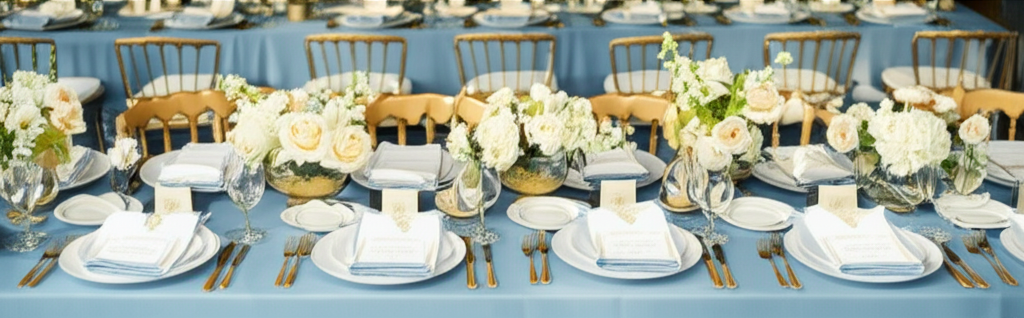
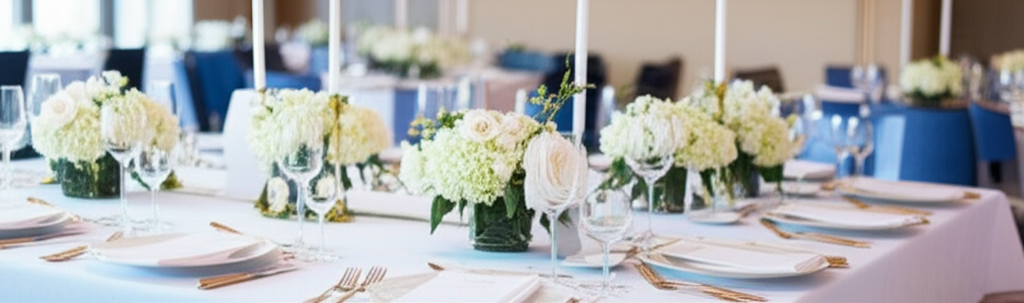
Modern Rectangular Tables
- Sleek and contemporary aesthetic.
- Maximizes space in smaller venues.
- Allows for creative centerpieces and décor.
- Suitable for modern or minimalist wedding styles.
Another option is to use a combination of round and rectangular tables to create visual interest and optimize space. For example, you could use round tables for the majority of your guests and rectangular tables for the head table or for smaller groups of friends and family. Remember to use SeatingChartCreator.com to visualize these layouts.
You can also consider themed tables based on guests' shared interests. For example, you could have a "Sports Fanatics" table, a "Bookworms" table, or a "Travel Enthusiasts" table. This can be a fun way to spark conversation and create a sense of community among your guests. Just be sure to avoid accidentally excluding anyone or making anyone feel uncomfortable.
Common Seating Chart Mistakes to Avoid
While creating a seating chart can be a fun and creative process, it's also important to be aware of common mistakes that can lead to awkward situations or hurt feelings. Here are some pitfalls to avoid when planning your table arrangement.
- Ignoring Guest Preferences: Failing to consider guest preferences, such as dietary restrictions or physical limitations, can lead to discomfort and dissatisfaction. Be sure to gather information about any special needs and accommodate them accordingly.
- Seating Divorced Parents Together: Unless your divorced parents have a genuinely amicable relationship, it's generally best to seat them at separate tables. Forcing them to sit together can create tension and discomfort for everyone involved.
- Forgetting About Plus-Ones: If you're allowing guests to bring plus-ones, make sure to seat them with people they'll feel comfortable with. Don't assume that they'll automatically hit it off with your other guests.
- Creating Imbalances: Avoid creating imbalances in your seating chart, such as seating all the single guests at one table or all the older guests at another. Mix things up and create a diverse and inclusive atmosphere.
Expert Tips and Pro Advice for Seating Chart Success
Want to take your wedding seating chart to the next level? Here's some expert advice from seasoned wedding planners to help you achieve seating plan success.
- Communicate with Your Venue: Work closely with your venue to understand the layout of the space and any limitations that may affect your seating chart. Ensure that there is adequate space between tables for guests to move around comfortably.
- Consider the Flow of the Room: Think about how guests will move around the room during the reception. Position tables in a way that allows for easy access to the dance floor, the bar, and other key areas.
- Use Table Numbers or Names: Clearly label each table with a number or a name to help guests find their assigned seats. Get creative with your table names and choose themes that reflect your personality and interests.
- Provide Escort Cards: Provide escort cards with each guest's name and table number to guide them to their seats. This can help prevent confusion and ensure a smooth transition into the reception.
Frequently Asked Questions
Ideally, you should start thinking about your seating chart 2-3 months before your wedding day. This gives you enough time to gather RSVP information, consider guest relationships, and create a table arrangement that works for everyone. Starting early also reduces stress and allows you to make adjustments as needed.
Get Event Planning Tips
Weekly tips on seating arrangements, event layouts, and planning strategies.
SeatingChart Team
Our team of event planning experts is dedicated to helping you create unforgettable events with perfect seating arrangements.
Ready to Create Your Seating Chart?
Start planning your perfect event layout with our free drag-and-drop seating chart creator. No sign-up required to try it out!
Try Free Seating Chart Creator